
The War in Iran Could Become Like the War in Ukraine
How America can avoid a Russian-style quagmire.
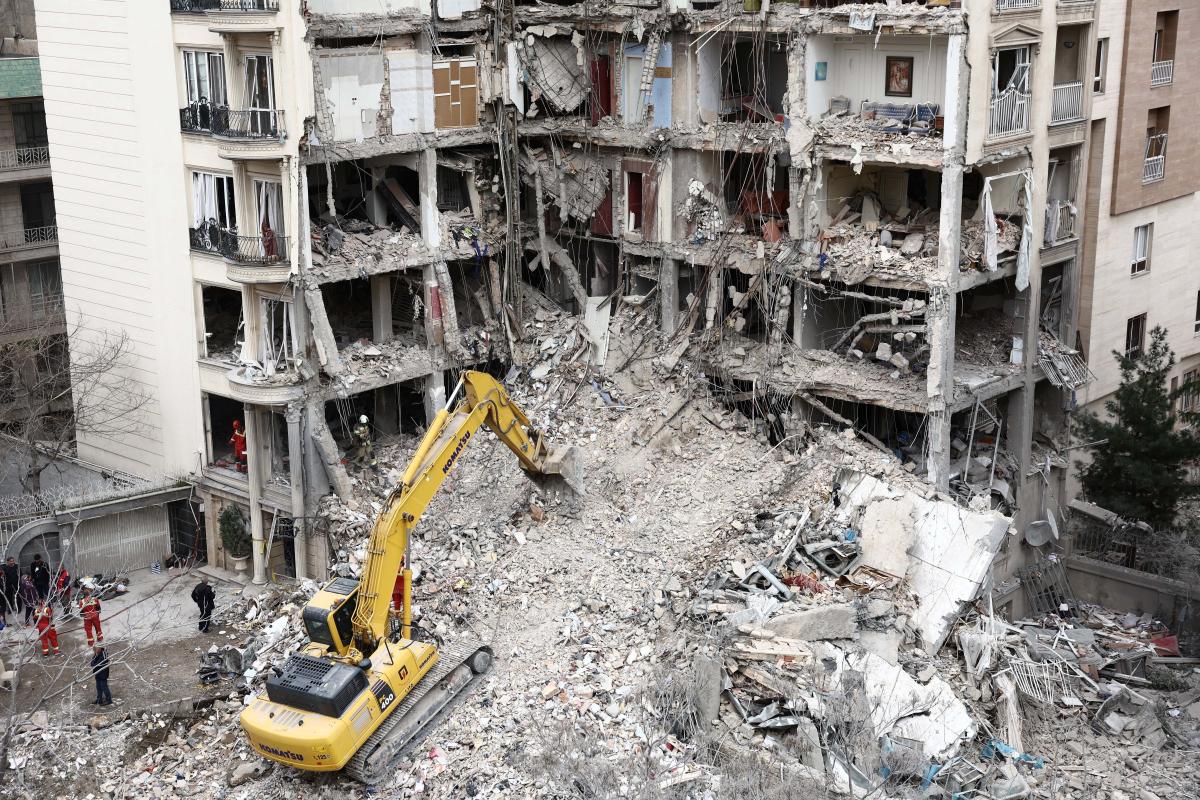
As tensions escalate in Iran, the possibility of a prolonged and costly conflict looms large, raising concerns that the situation could mirror the ongoing war in Ukraine. With the Russian invasion of Ukraine in 2022, the world has witnessed a brutal and drawn-out conflict that has tested the resolve of both the Ukrainian military and its international allies, particularly the United States. Now, as Iran faces internal strife and external pressures, the question of how America can avoid repeating the mistakes of the Russian-Ukrainian conflict becomes increasingly relevant.
The war in Ukraine has been characterized by a stalemate, with both sides entrenched in defensive positions and neither side able to achieve a decisive victory. This has led to a situation where the conflict drags on, causing significant human suffering and economic strain on all involved. For the United States, the challenge lies in supporting Ukraine without becoming embroiled in a quagmire that could divert resources and attention from other critical issues.
In the context of Iran, the situation is complex and multifaceted. The country is grappling with internal unrest, economic sanctions, and regional tensions, all of which could potentially spiral into a full-scale conflict. The United States and its allies must navigate this delicate landscape carefully, aiming to stabilize the region without provoking a broader war.
One of the key lessons from the Ukraine conflict is the importance of maintaining a clear strategy and avoiding overcommitment. The Russian invasion has demonstrated that a protracted ground war can be costly and difficult to sustain. For the United States, supporting Ukraine has involved providing military aid, financial assistance, and diplomatic support, but avoiding direct military involvement. This approach has allowed the U.S. to support Ukraine's efforts without becoming entangled in a costly and uncertain conflict.
Similarly, in the case of Iran, the United States must prioritize diplomatic efforts and support for regional stability. This could involve engaging in dialogue with Iranian leaders, encouraging economic reforms, and promoting regional cooperation. Additionally, the U.S. should work to strengthen alliances with key partners in the Middle East, such as Saudi Arabia and the United Arab Emirates, to help mitigate the risks of a broader conflict.
Another critical aspect is the need for a flexible and adaptable strategy. The situation in Ukraine has shown that conflicts can evolve rapidly, and it is essential for the U.S. to remain prepared for various scenarios. This includes investing in intelligence gathering, cyber capabilities, and rapid-response forces to address emerging threats.
Furthermore, the U.S. must be cautious about the potential for escalation. History has shown that miscalculations or miscommunications can lead to unintended consequences. The U.S. should avoid actions that could be perceived as provocative or aggressive, as these could inadvertently push Iran towards a more confrontational stance.
In conclusion, the war in Ukraine serves as a cautionary tale of the dangers of a prolonged and costly conflict. As the situation in Iran evolves, the United States must learn from the experiences of the Ukraine conflict and adopt a strategy that emphasizes diplomacy, flexibility, and careful planning. By doing so, the U.S. can help prevent a Russian-style quagmire in Iran and work towards a more stable and secure region.









