
The War in Iran Could Become Like the War in Ukraine
How America can avoid a Russian-style quagmire.
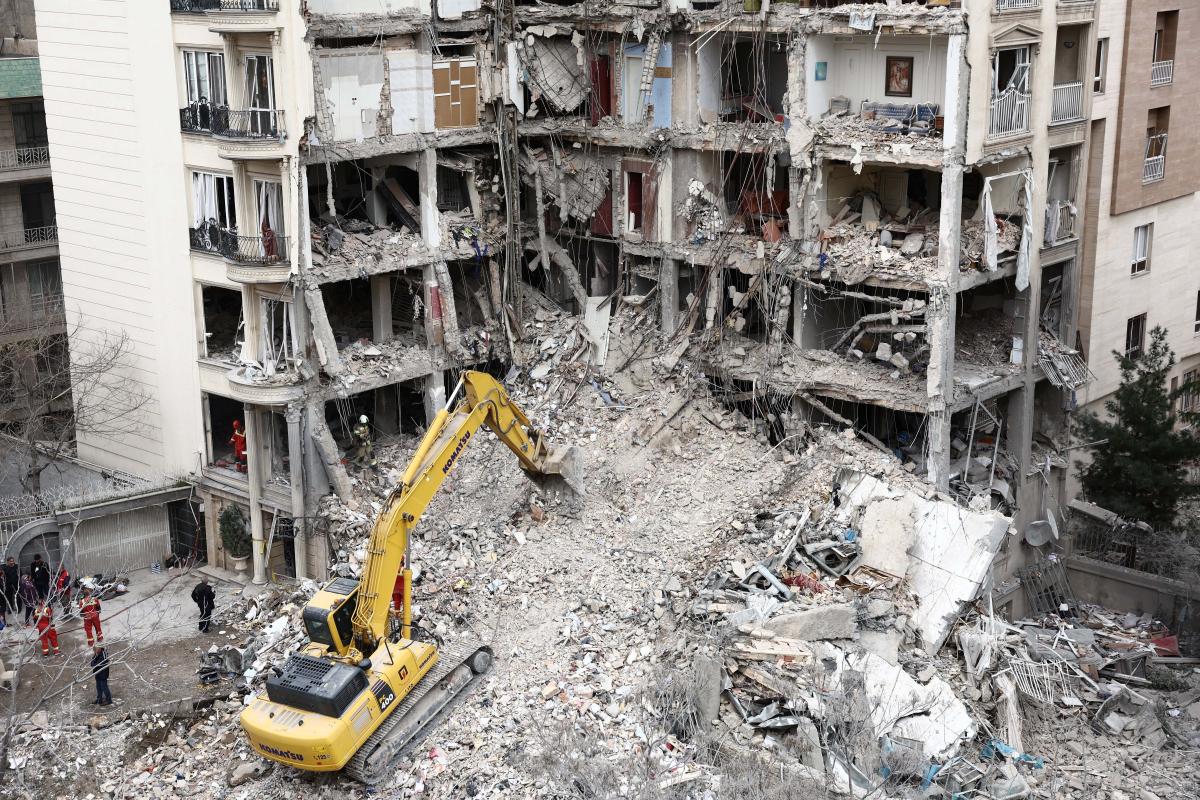
As tensions rise in Iran, the possibility of a prolonged and costly conflict looms large, raising concerns that the situation could escalate into a Russian-style quagmire. With the war in Ukraine still ongoing, the lessons learned from that conflict are being closely examined, particularly in the United States, as policymakers grapple with the potential implications of a similar scenario in Iran.
The war in Ukraine, which began in 2014, has demonstrated the complexities and challenges of modern asymmetrical warfare. Russia's involvement has resulted in a protracted conflict that has dragged on for years, with significant casualties and economic costs on all sides. The Ukrainian government, supported by international allies, has managed to resist Russian advances, but the conflict has shown the difficulty of achieving a decisive military victory in such a scenario.
In the context of Iran, the situation is markedly different, but the potential for a quagmire remains a pressing concern. Iran's internal political instability, combined with its nuclear program and regional ambitions, has led to heightened tensions with the United States and its allies. While a direct military conflict between Iran and the U.S. is not yet a certainty, the possibility of an escalation cannot be ruled out entirely.
To avoid a Russian-style quagmire in Iran, several key factors must be considered. First and foremost, the need for a clear and achievable objective is paramount. In Ukraine, the Russian invasion lacked a well-defined strategic goal, leading to a drawn-out conflict. In Iran, any military intervention must be guided by a clear understanding of the desired outcomes, such as halting Iran's nuclear program or addressing regional instability.
Secondly, the importance of international cooperation cannot be overstated. The success of Ukraine's resistance has been significantly bolstered by the support of its allies, including the United States, NATO, and the European Union. In the case of Iran, a unified international response would be crucial to avoid a situation where the conflict becomes isolated and unsustainable.
Thirdly, the potential for civilian casualties and humanitarian crises must be carefully weighed. The war in Ukraine has resulted in a significant number of civilian deaths and displaced populations, raising ethical concerns about the conduct of military operations. Any intervention in Iran must prioritize minimizing civilian harm and ensuring that humanitarian considerations are at the forefront of decision-making.
Additionally, the need for a flexible and adaptable strategy cannot be underestimated. The conflict in Ukraine has shown that traditional military approaches may not always be effective in modern warfare. In Iran, a combination of diplomatic, economic, and military measures may be necessary to achieve the desired outcomes. This could include targeted sanctions, cyber operations, and covert support for regional allies, alongside more conventional military actions if necessary.
Finally, the importance of public support and political will cannot be ignored. The war in Ukraine has faced criticism for its length and cost, with some questioning the strategic value of the ongoing conflict. In the United States, public opinion and political support for military intervention in Iran would be critical. Ensuring that any decision to intervene is backed by a broad consensus within the country and its allies is essential to avoid a quagmire that could lead to domestic and international backlash.
In conclusion, the potential for a Russian-style quagmire in Iran is a serious concern that requires careful consideration. By learning from the lessons of the Ukraine conflict, policymakers can work towards a more strategic, cooperative, and humane approach. This would involve setting clear objectives, fostering international unity, prioritizing civilian protection, adopting flexible strategies, and ensuring strong political backing. While the path forward is fraught with challenges, the potential for avoiding a protracted and costly conflict remains within reach if the right decisions are made.









