
The U.S. fighter jet was downed in Iran by a shoulder-fired missile
President Donald Trump said the American F-15 fighter jet was brought down in Iran by a shoulder-fired missile, leading to the dramatic rescue of two airmen.
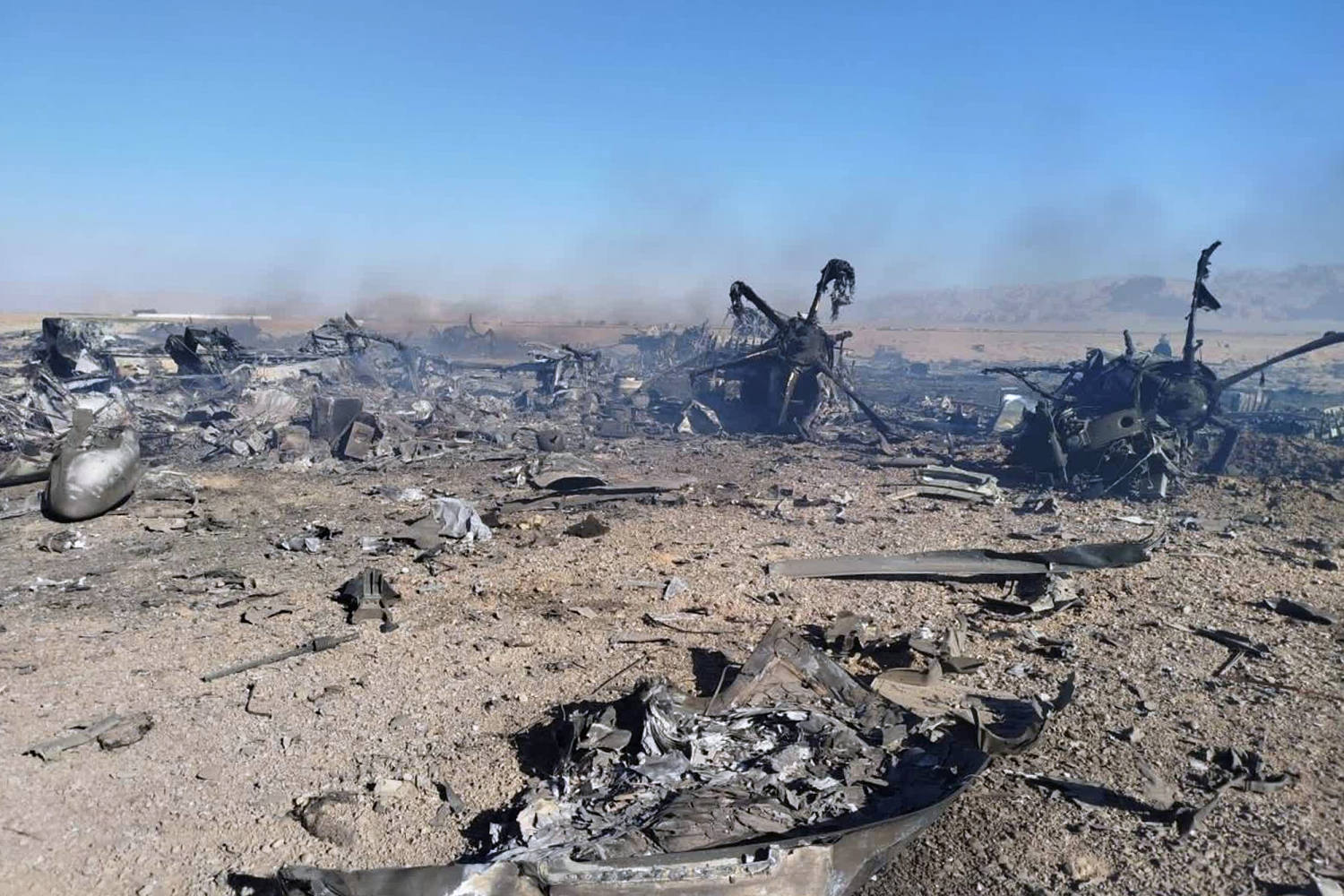
On April 10, 2026, a U.S. F-15 fighter jet was reportedly shot down over Iran by a shoulder-fired missile, according to President Donald Trump. The incident sparked immediate concern and prompted a daring rescue mission to safely retrieve the two American airmen on board.
The downing of the aircraft occurred in the early hours of the morning, near the Isfahan province in central Iran. According to President Trump, the jet was targeted by a portable, man-portable air defense system (MANPADS), commonly referred to as a "shoulder-fired missile." These types of weapons are typically lightweight and easy to transport, making them a significant threat to aircraft in conflict zones.
The U.S. military quickly launched a covert operation to locate and rescue the pilots. Intelligence reports indicated that the pilots had ejected safely and were being held captive by Iranian forces. The rescue mission was meticulously planned to ensure the pilots' safety and to avoid further escalation of tensions between the two nations.
The operation unfolded with precision and stealth. U.S. forces deployed a team of highly trained personnel to infiltrate Iranian territory. They navigated through challenging terrain and evaded detection by Iranian security forces. The pilots, who had been detained in a remote location, were successfully extracted and transported to a secure location within U.S. territory.
Iranian state media initially claimed that the downed aircraft was an American transport plane and that two helicopters had also been shot down during a rescue attempt. However, these reports were quickly debunked by U.S. officials, who confirmed that only the F-15 fighter jet was involved. The images released by Sepahnews, the official website of the Iranian Revolutionary Guard, showed wreckage at the site, but the U.S. maintained that the incident involved a single fighter jet.
The rescue mission was a testament to the U.S. military's capabilities and commitment to protecting its personnel. It also highlighted the ongoing tensions between the U.S. and Iran, which had been simmering for years. The downing of the jet further strained relations between the two nations, with the U.S. demanding an explanation from Iranian authorities.
In response to the incident, President Trump emphasized the importance of protecting American lives and assets. He also warned Iran of the potential consequences of such actions, urging the country to adhere to international norms and avoid further provocations. The U.S. government called for a transparent investigation into the downing of the jet and reiterated its commitment to maintaining regional stability.
The successful rescue of the pilots marked a significant achievement for the U.S. military. It underscored the importance of preparedness, adaptability, and the unwavering dedication of service members in high-risk operations. The incident also served as a reminder of the complexities of U.S.-Iran relations, which continue to be a focal point of global geopolitics.
As the aftermath of the incident unfolded, both the U.S. and Iran faced the challenge of de-escalating tensions and finding a path forward. The downing of the F-15 fighter jet and the subsequent rescue mission highlighted the delicate balance of power in the region and the need for diplomatic engagement to address the underlying issues.
In the days following the event, diplomatic channels were activated, with both nations engaging in talks aimed at reducing the risk of further incidents. The U.S. sought assurances that such an event would not recur, while Iran faced pressure to explain the circumstances surrounding the downing of the jet.
The incident also prompted a broader discussion about the role of MANPADS in modern conflicts. These weapons, often obtained through illicit means, pose a significant threat to civilian and military aircraft. The U.S. and its allies have long been concerned about the proliferation of such systems and have been working to mitigate the risks through international cooperation and counter-terrorism efforts.
In conclusion, the downing of the U.S. F-15 fighter jet by a shoulder-fired missile in Iran was a dramatic event that brought the complexities of U.S.-Iran relations into sharp focus. The successful rescue of the pilots demonstrated the U.S. military's capabilities and commitment to protecting its personnel. As tensions continued to rise, both nations faced the challenge of navigating their relationship and finding a path toward stability in the region. The incident served as a stark reminder of the ongoing dangers posed by MANPADS and the need for global efforts to counter the threat.









