The survival training that kicks in after an American pilot is shot down
From violent ejection to possible capture, here's how US aircrew train to survive even before they've hit the ground.
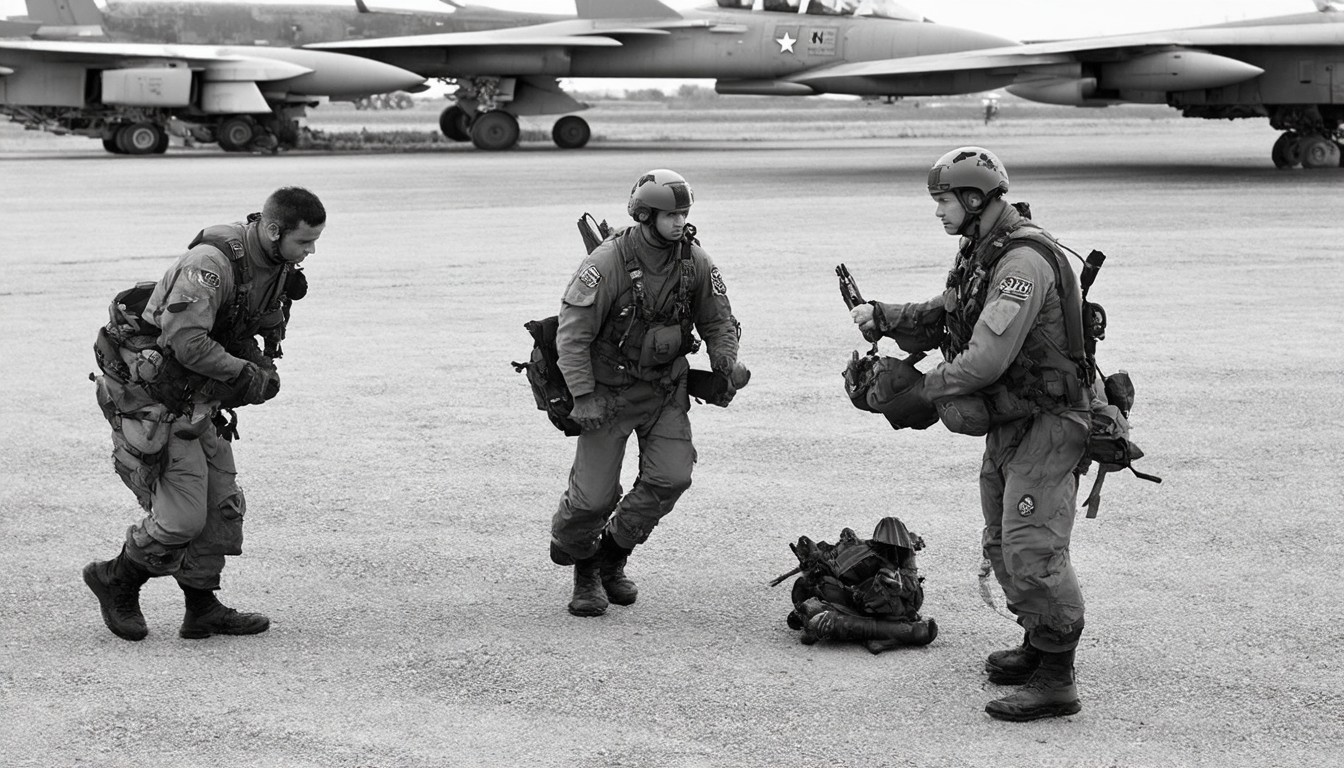
In the high-stakes world of military aviation, pilots are not just trained to fly their aircraft and engage in combat. They undergo rigorous survival training to ensure they can withstand the extreme conditions that may arise during a mission. This training becomes critical when an aircraft is shot down, as evidenced by the recent incident involving a US Air Force F-15E Strike Eagle that was brought down over Iran. The pilot and weapon systems officer (WSO) had to rely on their survival skills from the moment their plane came under enemy fire.
The shootdown, which occurred last Friday, marked the first loss of a fighter jet to enemy fire in the ongoing conflict with Iran. Both the pilot and the WSO managed to eject from the aircraft, but their paths diverged dramatically after landing in hostile territory. The pilot was rescued by US forces within hours, while the WSO faced a harrowing two-day ordeal, evading Iranian forces and signaling to American rescue teams. This incident underscores the importance of pilot survival training, which is as crucial as mastering air combat skills.
The journey of survival for a military aviator begins even before they take off. Ejection training is a critical component of this preparation. Military aviators regularly undergo refresher training to handle aircraft emergencies, from managing dangerously low oxygen levels to escaping a downed aircraft at sea. Vincent Aiello, a retired Navy fighter pilot and former TOPGUN instructor, explained that "flying a high-performance fighter jet is a full-contact sport. It's very difficult on your body."
Safe ejection preparation starts with precise body positioning. The ejection seat operates through a "controlled explosion," as Aiello described it, which can generate forces strong enough to compress the spine and cause lasting damage. Even minor deviations in body positioning during ejection can be fatal. Airmen learn to properly adjust ejection seats in specialized courses to ensure they are ready to use in an emergency.
Once ejected, the aviator must immediately assess their surroundings and prepare for potential capture or evasion. This involves memorizing key details about the aircraft's location, as well as understanding the capabilities and limitations of their emergency equipment. Pilots are also trained in basic survival skills, such as finding and purifying water, constructing shelter, and using basic first aid.
In addition to ejection training, pilots undergo extensive scenarios designed to simulate being behind enemy lines. These drills teach aviators how to evade capture, signal for rescue, and even conduct limited sabotage to hinder enemy operations. The training is designed to instill a "survival instinct" that kicks in automatically in the face of danger.
The recent incident over Iran highlights the real-world application of this training. The WSO who was stranded in enemy territory for two days relied on his survival skills to avoid capture and await rescue. His experience demonstrates the effectiveness of the rigorous training that military aviators receive, preparing them to face the unpredictable challenges of modern warfare.
In the shadow of the shootdown, the resilience and preparedness of the US Air Force pilots stand out. Their survival training is a testament to the meticulous planning and dedication that goes into ensuring the safety of military aviators. As the conflict with Iran continues, the importance of these survival skills will only grow, serving as a vital component of the pilots' ability to carry out their missions and return home safely.
In conclusion, the survival training that kicks in after an American pilot is shot down is a critical aspect of military aviation. From mastering the art of safe ejection to evading capture and signaling for rescue, pilots are prepared for the most extreme circumstances. The recent incident over Iran serves as a stark reminder of the importance of these survival skills, which are as essential as the pilots' combat abilities. As long as aircraft remain a key component of modern warfare, the training of pilots to survive in the face of adversity will remain a top priority.