The Strait of Hormuz: Why Global Trade Dependency Turns a Localized Conflict into a Global Crisis
When war disrupts regions that are critical to the production or movement of major commodities, prices often spike first before markets can assess how long the supply shock will last.…
The Strait of Hormuz: Why Global Trade Dependency Turns a Localized Conflict into a Global Crisis
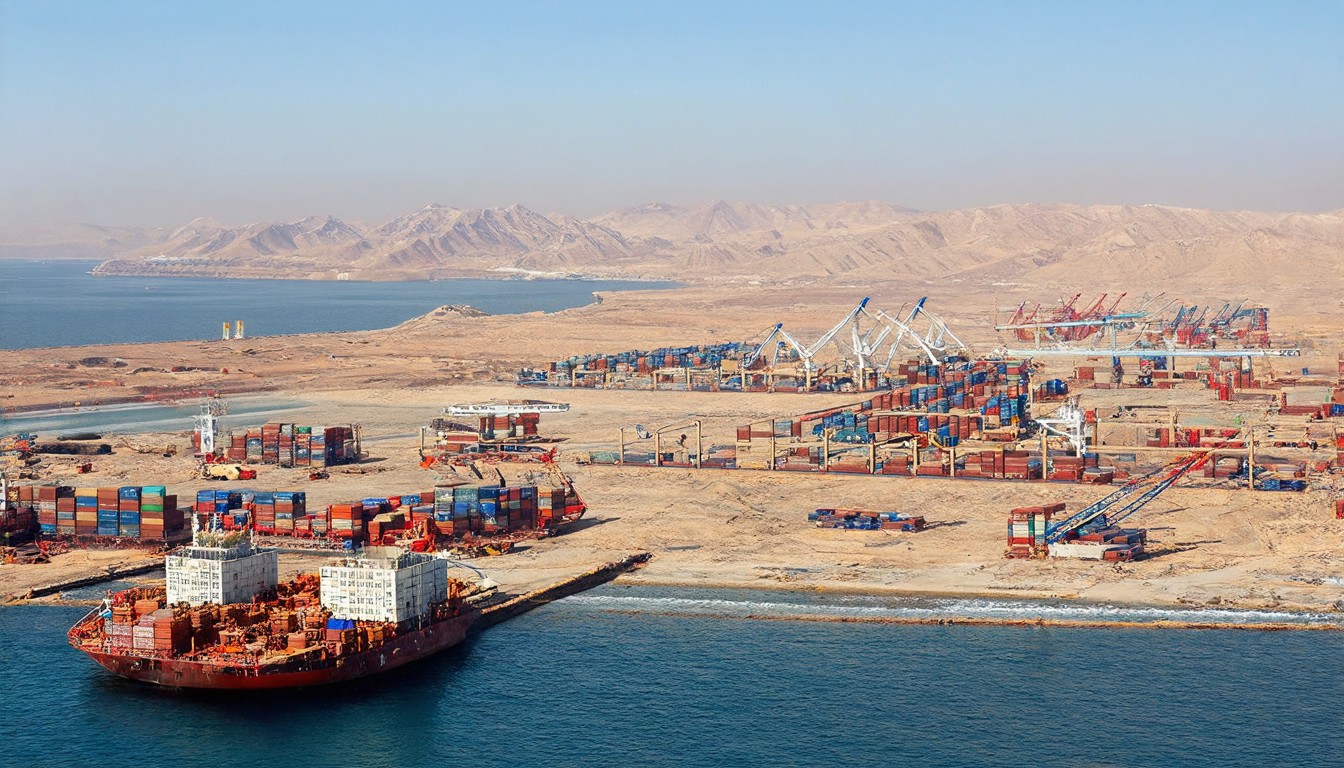
The Strait of Hormuz, a narrow waterway between the Persian Gulf and the Gulf of Oman, is a critical chokepoint for global trade. Measuring just 33 kilometers at its narrowest point, it is the only sea route through which supertankers can pass to transport oil from the Middle East to the rest of the world. This strategic location makes the strait a focal point for geopolitical tensions, and any disruption in its flow can have far-reaching consequences for global markets.
The strait's significance stems from its role in facilitating the movement of approximately 30% of global oil production. This includes around 19 million barrels of crude oil and 2 million barrels of refined petroleum products daily. The region's oil fields, particularly those in Saudi Arabia, Iran, and the United Arab Emirates, are among the world's most productive, and their output is essential for meeting global energy demands.
The geopolitical instability in the region, however, poses a significant threat to this delicate balance. The ongoing tensions between Iran and the United States, as well as regional conflicts, have raised concerns about the potential for military action that could disrupt the strait. Such a scenario would not only affect oil prices but also have broader implications for global economies.
When war disrupts regions critical to the production or movement of major commodities, prices often spike first before markets can assess how long the supply shock will last. This is due to the immediate impact on supply, which outweighs the ability of markets to quickly adjust. For instance, during the 1973 oil crisis, a regional conflict led to a 400% increase in oil prices, causing global economic turmoil. Similarly, the 1990-1991 Gulf War resulted in a temporary but significant rise in oil prices.
The potential disruption of the Strait of Hormuz could lead to a similar spike in oil prices. A conflict that blocks the strait would force oil producers to find alternative routes, which are either more expensive or less efficient. This would drive up the cost of oil, leading to higher transportation and production costs for industries reliant on petroleum.
Beyond oil, the strait's disruption could also impact the global supply of other commodities, such as natural gas and chemicals. These materials are often transported in the same vessels as oil, and their availability is closely tied to the stability of the region.
The economic repercussions of such a disruption would extend beyond the energy sector. Higher transportation costs would affect industries that rely on shipping, such as manufacturing and retail. Inflation could spiral as businesses pass on these costs to consumers, leading to reduced purchasing power and economic instability.
Moreover, the geopolitical implications of a conflict in the Strait of Hormuz are complex. The region's instability could prompt other countries to seek alternative energy sources or routes, potentially altering global trade patterns. This could lead to a realignment of economic interests and alliances, with countries looking to reduce their dependence on the Middle East for oil.
In conclusion, the Strait of Hormuz serves as a critical link in the global trade network, with its stability directly tied to the region's geopolitical dynamics. A localized conflict in this area could have far-reaching consequences, affecting global oil prices, economic stability, and trade patterns. As such, the international community must remain vigilant and work towards mitigating the risks posed by potential disruptions in this vital chokepoint.