The Strait Of Hormuz Couldn’t Care Less About The Federal Reserve
The Strait of Hormuz looks at the Fed in the way that an elephant presumably looks at an ant.
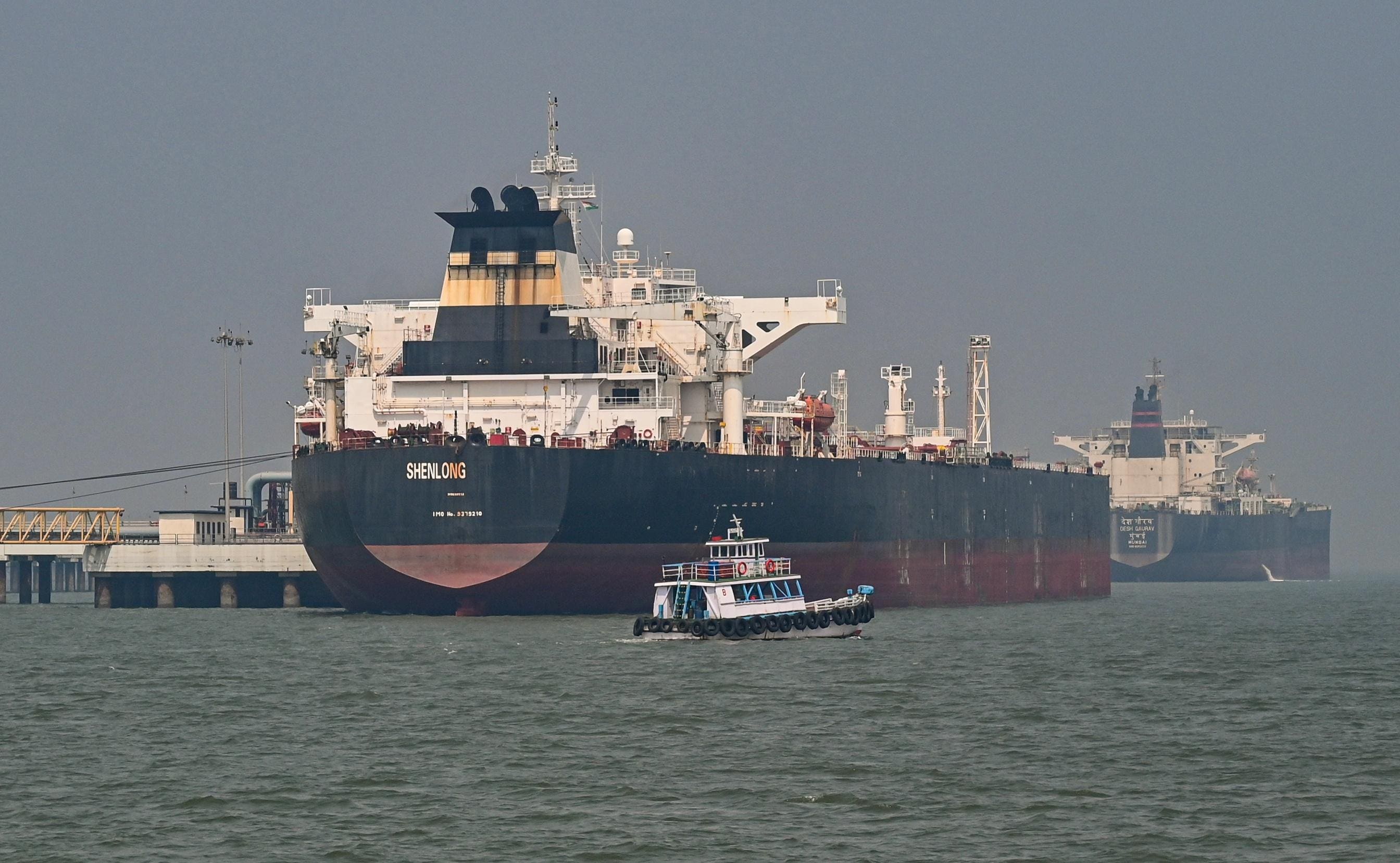
The Strait of Hormuz, a narrow waterway connecting the Persian Gulf to the Gulf of Oman, has long been a critical chokepoint for global oil trade. Measuring just 33 kilometers at its narrowest point, the strait facilitates the passage of approximately 30% of the world's oil and 20% of its natural gas. Its strategic importance is underscored by the fact that it is the only sea route through which supertankers can travel, making it a linchpin in the global energy supply chain.
In recent years, the Strait of Hormuz has found itself at the center of geopolitical tensions, particularly as tensions between Iran and the United States have escalated. The U.S. has long viewed the strait as a vital interest, given its dependence on Middle Eastern oil. Conversely, Iran, which controls the strait's northern shore, has leveraged its position to assert influence in the region. This has led to a delicate balance of power, with both sides occasionally engaging in provocative actions, such as the U.S. deploying warships in the area or Iran threatening to block the strait.
Despite its pivotal role in global energy markets, the Strait of Hormuz has remained largely indifferent to the monetary policies of the Federal Reserve, the central bank of the United States. The Fed, known for its ability to influence global financial markets through interest rate decisions, has been unable to sway the strait's strategic dynamics. This is not due to any lack of interest on the Fed's part, but rather because the strait's geopolitical realities operate on a different plane entirely.
The Federal Reserve's primary tool for managing economic conditions is the manipulation of interest rates. By adjusting these rates, the Fed can stimulate or cool down the U.S. economy, impacting consumer spending, business investment, and overall economic growth. However, the strait's fate is determined by a combination of geopolitical factors, technological advancements, and the actions of nation-states. While the Fed's decisions can affect oil prices, which in turn influence the global economy, the strait's operational status is more directly tied to regional stability and the decisions of governments in the Persian Gulf.
One of the key factors that differentiates the Strait of Hormuz from the financial markets influenced by the Fed is the strait's physical constraints. The narrow passageway and the risk of blockages have led to a reliance on diplomatic negotiations and deterrence strategies. The U.S. and its allies have invested heavily in military presence in the region to ensure the strait remains open, while Iran has occasionally threatened to disrupt traffic as a means of exerting pressure.
Moreover, the strait's importance extends beyond oil. It is also a crucial route for the transport of goods and people, contributing to the economies of the countries bordering the Persian Gulf. The economic stakes are high, and any disruption to the strait's flow could have far-reaching consequences. However, these consequences are more about physical security and geopolitical power than the abstract economic indicators that the Fed tracks.
The Fed's influence on global markets is significant, but it operates within a framework of interconnected financial systems and agreed-upon economic policies. In contrast, the Strait of Hormuz is governed by the unpredictable dynamics of international relations, where trust and distrust, alliances and rivalries, can shift rapidly. The strait's fate is determined by the decisions of leaders in Tehran, Washington, and other capitals, rather than the interest rate decisions made in Washington, D.C.
Despite the Fed's inability to directly impact the strait, its actions can still have indirect effects. For instance, changes in U.S. interest rates can influence oil prices, which in turn affect the economies of oil-exporting nations and the global market. However, these effects are secondary to the strait's primary geopolitical realities. The Fed's role in global affairs is one of economic management, while the Strait of Hormuz is a theater of geopolitical strategy.
In conclusion, the Strait of Hormuz and the Federal Reserve operate in distinct spheres, each with its own set of challenges and tools. While the Fed wields the power to influence global financial markets through interest rates, the strait's fate is determined by the complex interplay of geopolitical forces. The strait's importance as a critical chokepoint for global oil trade underscores the need for continued diplomatic engagement and strategic planning. Meanwhile, the Fed's role in managing the U.S. economy and its global implications remains a separate, albeit interconnected, narrative. The strait, much like an elephant, remains oblivious to the Fed's antics, focusing instead on the challenges posed by its own unique environment.