The spiky cactus fruit giving Indian farmers a cash boost
Indian farmers are turning to dragon fruit as a profitable alternative to mangoes and coffee.
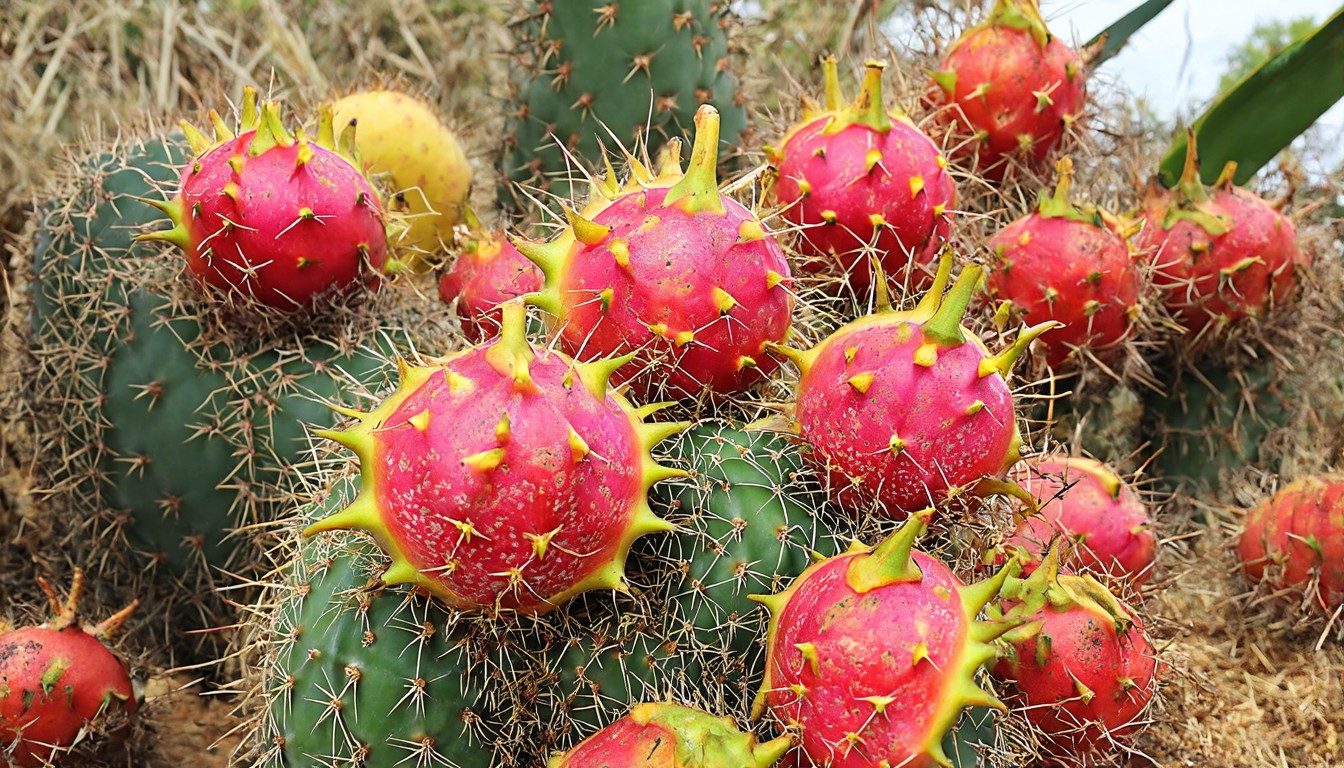
Indian farmers are increasingly turning to dragon fruit as a profitable alternative to traditional cash crops like mangoes and coffee. This spiky cactus fruit, native to Central and South America, has gained traction in India due to its high market demand and potential for higher returns compared to traditional crops. The shift is driven by a combination of factors, including changing consumer preferences, favorable climate conditions, and government incentives aimed at diversifying agricultural income sources.
Dragon fruit, also known as pitaya, is prized for its sweet, juicy flesh and vibrant pink or yellow skin. In recent years, its popularity has surged globally, with India emerging as one of the largest markets for the fruit. The demand for dragon fruit in India is driven by its versatility in culinary uses, from smoothies and salads to desserts and cocktails. Additionally, the fruit's high nutritional value, including vitamins and minerals, has made it a preferred choice among health-conscious consumers.
The economic incentives for farmers to cultivate dragon fruit are significant. Prices for dragon fruit have been steadily rising, offering farmers a lucrative opportunity to earn more than they would from traditional crops like mangoes and coffee. According to recent market reports, the global demand for dragon fruit is expected to grow, further boosting its value. In India, the government has also introduced schemes to support dragon fruit cultivation, providing subsidies and technical assistance to farmers.
The climate in parts of India, particularly in regions like Rajasthan, Gujarat, and Maharashtra, is well-suited for dragon fruit cultivation. The arid and semi-arid conditions, combined with the fruit's low water requirements, make it a resilient crop in these areas. Farmers have found that dragon fruit can thrive in regions where other crops struggle, providing a reliable source of income.
However, the transition to dragon fruit cultivation is not without challenges. One of the primary concerns is the lack of infrastructure for processing and distribution. Many farmers face difficulties in getting their produce to market, often resulting in losses. To address this, there is a growing push for the development of cold storage facilities and better logistics networks. Additionally, farmers need to invest in seeds and nursery plants, which can be costly.
Despite these hurdles, many farmers are optimistic about the future of dragon fruit. They see it as a way to diversify their income streams and reduce their dependence on monoculture practices. The success of dragon fruit cultivation is also encouraging other farmers to explore alternative crops, contributing to a broader diversification of the agricultural sector in India.
In conclusion, the spiky cactus fruit known as dragon fruit is becoming a valuable cash crop for Indian farmers. Its growing popularity, coupled with favorable economic conditions and government support, is offering an attractive alternative to traditional crops like mangoes and coffee. While challenges remain, the potential benefits of dragon fruit cultivation are significant, highlighting the importance of agricultural diversification in India. As the market for dragon fruit continues to expand, it is likely to play an increasingly important role in the country's agricultural economy.