The significance of the space mission that's making history
Former NASA chief of staff Bale Dalton talks about the work that went into the Artemis mission plan and what to watch for on the journey.
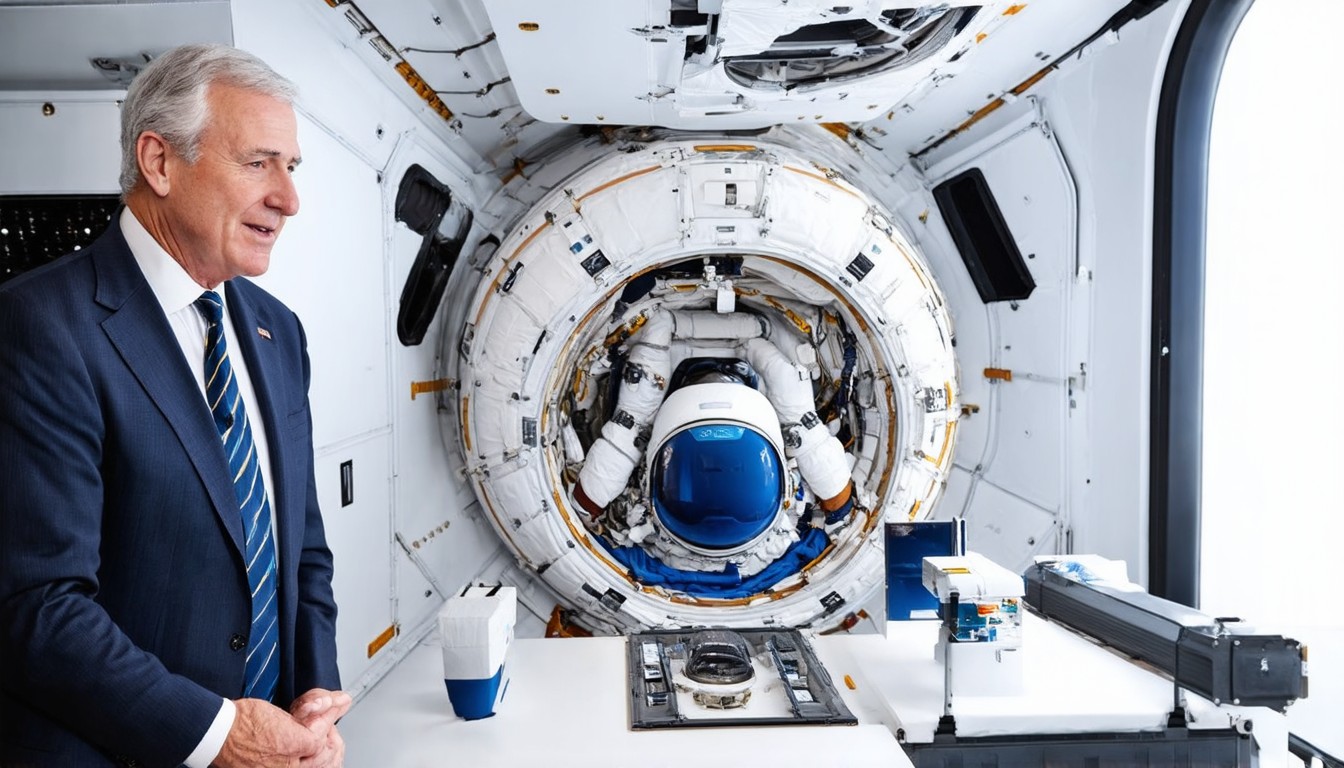
The Artemis mission, a historic endeavor by NASA, is poised to rewrite the story of space exploration. Former NASA chief of staff Bale Dalton, who played a pivotal role in shaping the mission's plan, has shared insights into the meticulous work that has gone into preparing for this groundbreaking journey. As the world watches with bated breath, Dalton's insights offer a glimpse into the complexities and challenges that lie ahead, as well as the potential breakthroughs that could transform our understanding of space and our place in the cosmos.
The Artemis mission is not just another space expedition; it represents a significant step in humanity's quest to explore beyond Earth. Its primary goal is to return humans to the Moon for the first time since the Apollo missions in the 1970s, with the ultimate aim of establishing a sustainable lunar presence. This ambitious project is part of NASA's Artemis Accords, a global partnership that includes countries from around the world, all working towards a common goal: to advance lunar exploration and prepare for future missions to Mars.
Bale Dalton's involvement in the Artemis mission plan began with a comprehensive review of past missions and the lessons learned from them. He emphasized the importance of building on the successes of the Apollo program while addressing the technological advancements and challenges of the modern era. The mission's design reflects a careful balance between innovation and proven methods, ensuring that the crew's safety is paramount.
One of the key components of the Artemis mission is the development of the Orion spacecraft, which will carry astronauts to the Moon. This versatile vehicle is designed to provide a safe and comfortable environment for the crew, with advanced life support systems and a robust propulsion system. Dalton highlighted the challenges faced in designing such a spacecraft, particularly in ensuring its reliability and adaptability to the harsh lunar environment.
In addition to the Orion spacecraft, the mission relies heavily on the Space Launch System (SLS), a heavy-lift launch vehicle developed by NASA. The SLS is tasked with propelling the Orion spacecraft and its cargo beyond Earth's orbit. Dalton noted that the SLS represents a significant investment in American space technology, and its successful deployment will be crucial for the mission's success.
As the Artemis mission progresses, there are several critical milestones to watch for. The first crewed mission, Artemis III, is scheduled to launch in the mid-2020s and will mark the beginning of a new era of lunar exploration. The crew will spend several days on the lunar surface, conducting experiments and gathering data that will inform future missions. Dalton stressed the importance of these early missions in paving the way for sustained human presence on the Moon.
Beyond the immediate goals of the Artemis mission, there are broader implications for space exploration. The mission's success could lead to the establishment of a lunar research station, which would serve as a gateway to deeper space exploration. This station would provide a strategic advantage for missions to Mars, enabling astronauts to conduct long-duration spaceflights and study the effects of extended exposure to microgravity.
However, the Artemis mission is not without its challenges. Dalton acknowledged the complexities of coordinating international efforts, as well as the technical hurdles involved in developing new technologies and systems. The mission's success will depend on a combination of careful planning, innovative problem-solving, and the unwavering commitment of the teams involved.
In conclusion, the Artemis mission represents a monumental step forward in space exploration, driven by the vision and dedication of countless individuals, including Bale Dalton. As the world watches with anticipation, the mission's progress underscores the enduring human spirit of discovery and the potential for collaboration and innovation in the pursuit of knowledge. The journey ahead will be fraught with challenges, but the rewards—both scientific and symbolic—are immeasurable, marking a new chapter in humanity's cosmic odyssey.