
The Show Me State is Ground Zero in the Fight Against Soybean Cyst Nematode
By analyzing over 1,100 soybean genomes, scientists uncovered new sources of SCN resistance that could help breeders build more durable protection for future varieties. The post The Show Me State is Ground Zero in the Fight Against Soybean Cyst Nematode appeared first on Seed World .
The Show Me State is Ground Zero in the Fight Against Soybean Cyst Nematode
For decades, soybean farmers have faced the insidious threat of soybean cyst nematode (SCN), a pest that undermines crop yields and plant health. While the seed industry has traditionally relied on breeding resistance into soybean varieties, a recent genetic breakthrough in Missouri has opened new avenues for combating this persistent nematode. By analyzing over 1,100 soybean genomes, scientists have uncovered new sources of SCN resistance that could help breeders build more durable protection for future varieties.
SCN is a stealthy pest that doesn't announce itself with dramatic visual warnings. Instead, it works quietly, causing yield slips and struggling roots as it infests soybean plants. The nematodes attach themselves to roots, forming small white cysts that can produce hundreds of eggs. These eggs persist in the soil for years, making SCN a long-term challenge for soybean growers.
For years, the response to SCN has been a familiar cycle: breed resistance, deploy it, and repeat. However, beneath this rhythm, a different story has been unfolding in Missouri. Researchers at the University of Missouri have been asking not how to manage SCN this season, but how to stay ahead of it for the next generation of seed.
The history of SCN resistance dates back to 1954, when the nematode was first recognized in North Carolina. The most significant discovery of SCN resistance, known as PI 88788, was reported during the 1970s. This genetic resource has been a major source of commercial cultivar development over the past 35 years and accounts for approximately 95% of all commercial U.S. varieties. However, as SCN populations adapt, the effectiveness of this resistance has waned.
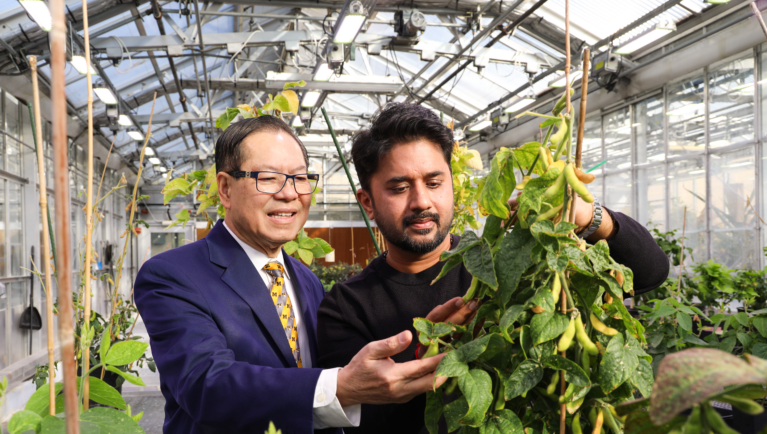
"Most of the new discoveries in SCN-resistant germplasm, pretty much started at the Delta Research Center in Southeast Missouri back in the early 1980s," says University of Missouri soybean geneticist Henry Nguyen, who has been studying SCN for over 20 years. Nguyen frames SCN as a long arc, not a moment. Breeding programs in the Missouri Bootheel, decades of screening, and incremental gains layered one on top of another have shaped the current landscape of SCN resistance.
The industry didn't arrive at today's resistance landscape overnight; it was a slow build. Greenhouse comparisons between wild soybean and cultivated Glycine max have revealed that wild relatives may hold additional genetic resources for SCN resistance. By studying these wild relatives and leveraging modern genetic tools, researchers are hopeful that they can uncover new sources of resistance to help soybean breeders create more durable varieties.
This genetic discovery is part of a broader effort to combat SCN through a combination of strategies, including stacking resistance genes, implementing crop rotation systems, and utilizing gene editing technologies. As the soybean industry continues to evolve, the groundbreaking work in Missouri serves as a critical foundation for developing new strategies to combat SCN and ensure the long-term viability of soybean production.
In conclusion, the Show Me State's legacy in soybean breeding and genetic research has positioned it at the forefront of the fight against soybean cyst nematode. The recent genetic breakthrough, which has uncovered new sources of SCN resistance, holds promise for the future of soybean agriculture. By building on this foundation and integrating innovative strategies, the industry can better prepare for the challenges posed by SCN and ensure sustainable soybean production for generations to come.








