The rise and rise of women’s sport
Why female athletes need to leave the men behind
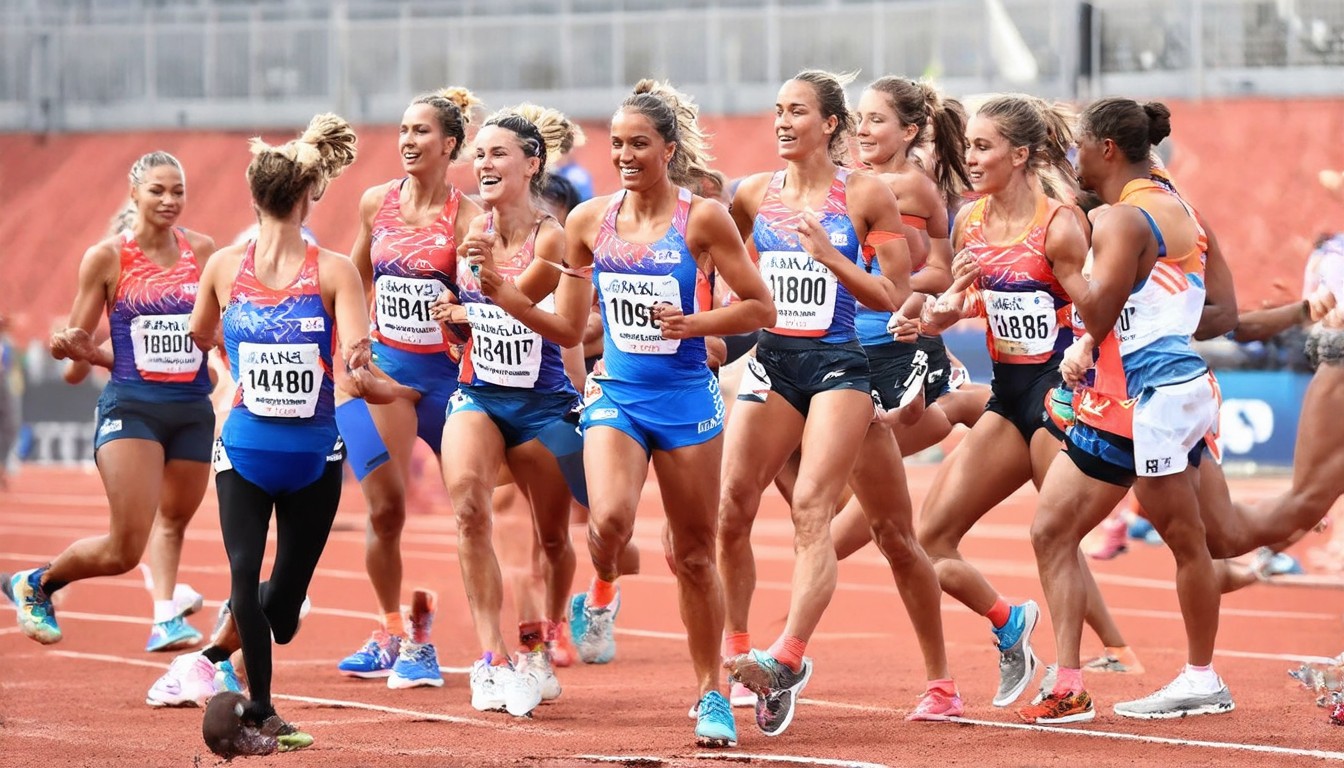
The rise and rise of women’s sport has been a transformative force in the world of athletics, challenging long-held stereotypes and redefining what it means to be an athlete. For decades, women’s sports have been overshadowed by their male counterparts, with many people still clinging to outdated notions that women are less capable or less competitive. However, the recent trajectory of women’s sports is undeniable: they are not only gaining ground but surpassing expectations in numerous fields.
One of the most significant indicators of this shift is the growing prominence of women in traditionally male-dominated sports. The Women’s National Basketball Association (WNBA) and Women’s Professional Soccer (WPS) have seen remarkable growth, with attendance records breaking year after year. Meanwhile, the Women’s Tennis Association (WTA) has experienced a resurgence, with players like Serena Williams and Naomi Osaka captivating global audiences. These leagues and athletes are not only challenging perceptions but also redefining the landscape of professional sports.
In addition to these traditional sports, women are also excelling in fields that were once considered niche or secondary. The rise of women in esports, for instance, has been meteoric. Teams like Team SoloMid’s women’s League of Legends squad have gained significant traction, proving that women are just as skilled and competitive as their male counterparts. This expansion into new arenas highlights the broader cultural shift that is reshaping the sports world.
However, the journey to equality is far from over. Despite the progress, women still face numerous challenges, from pay disparities to limited media coverage. The gender pay gap in sports remains a contentious issue, with female athletes often earning significantly less than their male counterparts for comparable performances. This disparity is not only a matter of fairness but also a barrier to growth for women’s sports.
Moreover, the lack of visibility in media coverage continues to hinder the progress of women’s sports. While men’s sports dominate prime-time television slots and headlines, women’s achievements often go unnoticed. This imbalance not only affects the athletes’ earning potential but also limits the inspiration they can provide to the next generation of female athletes.
Yet, the resilience and determination of women in sports are proving to be formidable forces. The increasing number of female athletes breaking into male-dominated fields and achieving unprecedented success is a testament to their talent and perseverance. Organizations and leagues are beginning to recognize this trend, investing in women’s sports and advocating for greater parity.
The rise of women’s sport is also fueled by the emergence of powerful female figures in leadership roles. Executives like WNBA Commissioner Lisa Borders and FIFA Women’s Football Development Chairwoman Mia Hamm are driving initiatives to elevate women’s sports, ensuring they receive the recognition and resources they deserve.
Furthermore, the influence of social media has played a crucial role in amplifying the voices of female athletes. Platforms like Twitter and Instagram have provided a global stage for women to share their stories, triumphs, and struggles, fostering a sense of community and solidarity. This digital revolution has been instrumental in challenging traditional narratives and promoting the achievements of women in sports.
In conclusion, the rise of women’s sport is a multifaceted phenomenon that is reshaping the very fabric of athletics. While challenges remain, the trajectory of women’s sports is undeniably upward, driven by the talent, determination, and advocacy of female athletes and leaders. As we witness this transformation, it is clear that women are not only leaving the men behind in terms of performance but also redefining what it means to be an athlete in the modern world. The future of sports is undeniably bright, and women will play a pivotal role in shaping that future.