
The Revival of the Fashion-Tech Love Affair
Get ready for the return of wearables and a new stage in the fashion-tech relationship.
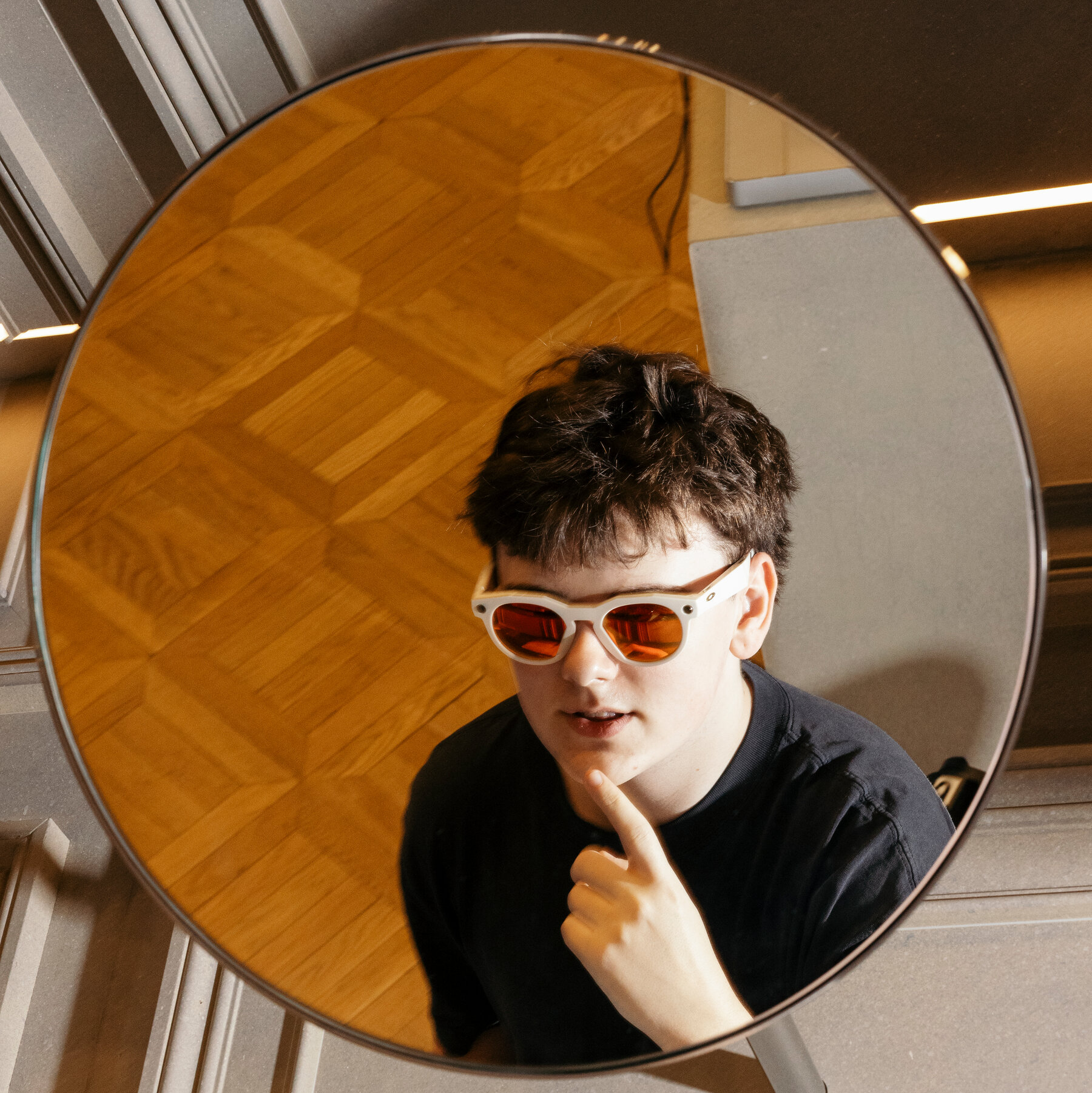
The fashion-tech love affair, once a vibrant partnership that promised to revolutionize the way we dress, has experienced a rocky period in recent years. However, signs are emerging that this dynamic duo is set to make a triumphant return, with wearable technology and innovative fashion designs poised to redefine the industry.
At the heart of this revival is the reimagining of wearables, devices that blend style with functionality. Once dismissed as gimmicky or impractical, wearables are now being reconsidered as essential accessories that enhance both personal style and everyday life. The Meta Lab flagship on Fifth Avenue in Manhattan, a hub for cutting-edge innovation, is at the forefront of this movement. Here, designers and engineers collaborate to create wearables that are not only stylish but also serve practical purposes, such as monitoring health, connecting to the digital world, and even transforming the way we interact with the environment.
One of the key drivers behind this revival is the evolving role of technology in our lives. As we become increasingly reliant on devices to manage our daily routines, the demand for seamless integration between fashion and technology grows. Consumers are looking for ways to make their wardrobes more functional without sacrificing style. This has led to a surge in interest in smart fabrics, accessories that incorporate sensors and connectivity, and even clothing that adapts to changing conditions.
The fashion industry, in turn, is responding to these shifts by embracing technology as a core component of its designs. Brands are investing in research and development to create collections that are both aesthetically pleasing and technologically advanced. This includes collaborations with tech companies to integrate features like voice assistants, biometric monitoring, and even augmented reality into clothing and accessories.
A notable example of this trend is the rise of "smart" fashion, which combines high fashion with advanced technology. Designers are experimenting with materials like conductive threads and flexible screens to create garments that are not only beautiful but also interactive. For instance, a dress might feature a touch-sensitive panel that changes color or pattern when touched, or a jacket with built-in speakers that allow the wearer to listen to music without holding a device.
The revival of the fashion-tech relationship is also being fueled by changes in consumer behavior. Younger generations, particularly millennials and Gen Z, are more open to adopting innovative technologies in their wardrobes. They value convenience, personalization, and sustainability, all of which can be enhanced through the integration of technology. This demographic's willingness to embrace new technologies is creating a ripe market for fashion-tech collaborations.
Moreover, the pandemic has accelerated this trend by highlighting the need for smart solutions in everyday life. The increased focus on health and well-being has led to a surge in demand for wearables that monitor vital signs, track fitness, and even detect environmental hazards. Fashion brands are capitalizing on this by offering collections that integrate health-tracking features with stylish designs.
The Meta Lab flagship on Fifth Avenue is a testament to this new era of fashion-tech collaboration. It serves as a showcase for the latest innovations, allowing consumers to experience firsthand how technology can enhance their fashion choices. The space features interactive displays, prototypes, and even virtual try-on experiences, demonstrating the potential of this dynamic duo.
As the fashion-tech love affair makes its comeback, it is clear that the future of fashion is increasingly intertwined with technology. The industry is poised to deliver collections that are not only visually stunning but also functionally advanced, catering to the evolving needs and desires of consumers. This revival is not only transforming the way we dress but also redefining the boundaries between fashion and technology, paving the way for a new era of style and innovation.









