
The Real War for Iran’s Future
Who will determine the fate of the Islamic Republic?
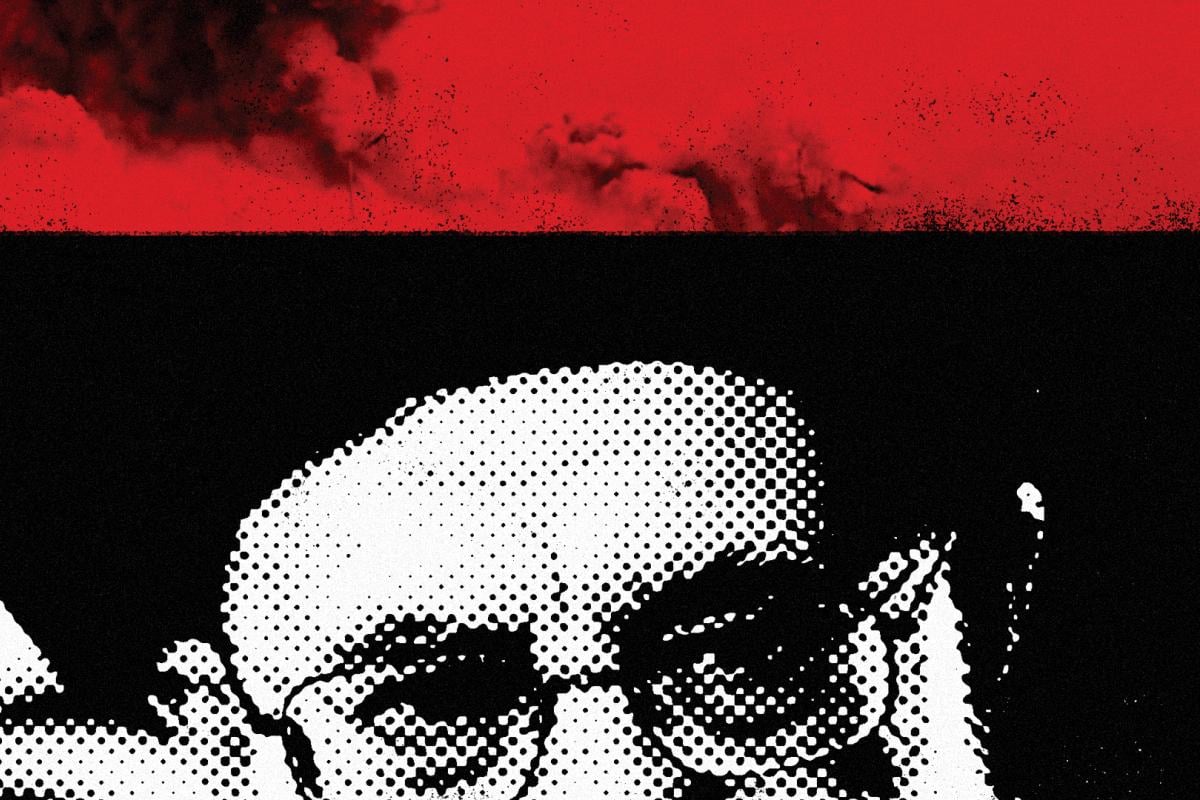
In the shadow of global tensions, the future of Iran is poised on a precipice, with a complex web of internal and external forces vying for control. The question of who will determine the fate of the Islamic Republic is not just a matter of political intrigue but a critical issue that could reshape the Middle East and beyond.
Iran's political landscape is a tapestry of competing factions, each with its own vision for the country. At the heart of this struggle are the country's religious institutions, the military, and the populace. The Islamic Revolutionary Guard Corps (IRGC), a powerful branch of the military, has long been a dominant force, advocating for a hardline approach to both domestic and foreign policy. Its influence extends far beyond military matters, with significant sway over the government and the economy.
However, the IRGC is not the only player in this game. The Supreme Leader, Ayatollah Ali Khamenei, holds the ultimate authority, but his health and advancing age have led to speculation about his successor. This uncertainty has intensified the rivalry among potential heirs, each with their own agenda. Some seek to maintain the status quo, while others advocate for reforms that could potentially ease tensions with the West.
The broader society of Iran is also playing a crucial role in shaping the country's future. The youth, in particular, are increasingly vocal about their desire for change. Protests and demonstrations have become more frequent, driven by issues such as unemployment, corruption, and a lack of political freedoms. This grassroots movement, though often suppressed, is a powerful force that could challenge the traditional guardians of the Islamic Republic.
On the international stage, external actors are also vying for influence. The United States, under President Biden, has sought to engage Iran diplomatically, offering a potential nuclear deal in exchange for concessions. However, this approach has been met with skepticism, given past failures and the deep-seated distrust between the two nations. Meanwhile, regional powers like Saudi Arabia and the United Arab Emirates are also watching Iran closely, their interests ranging from regional stability to economic competition.
Israel, too, remains a significant player. The country has long viewed Iran as an existential threat, and its covert operations and public rhetoric have contributed to the volatile situation. The threat of Israeli military action, though not explicitly stated, looms large over Iran's future.
In addition to these geopolitical dynamics, economic sanctions imposed by the West have had a profound impact on Iran's economy. These sanctions, designed to pressure the government, have instead fueled inflation and hardship for the Iranian people. The economic crisis has only intensified the calls for change, further complicating the political landscape.
The future of Iran is thus a complex interplay of domestic and international forces. The question of who will determine its fate is not easily answered. It hinges on the delicate balance of power among Iran's factions, the evolving global landscape, and the resilience of its people. As tensions mount, the world watches closely, eager to see which forces will prevail and shape the destiny of the Islamic Republic.









