
The Race to the Bottom in Last-Mile Delivery
The race to lower prices could ultimately undermine the very last-mile delivery networks that businesses and consumers have come to depend on.
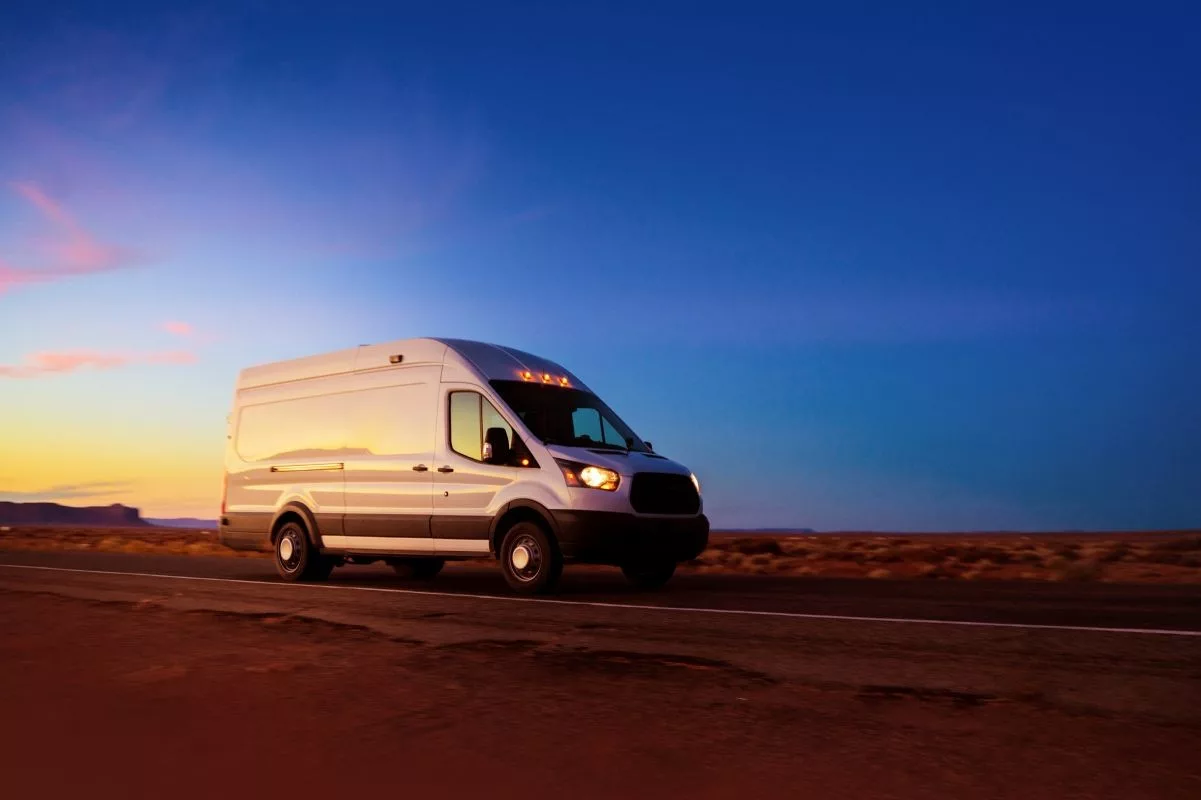
In recent years, the demand for fast and reliable last-mile delivery has skyrocketed, driven by the surge in e-commerce and the shift towards online shopping. As companies compete fiercely to capture market share, the race to lower prices has intensified, with many firms cutting costs to offer more affordable delivery services. However, this relentless pursuit of cost reduction is raising concerns that it could ultimately undermine the very last-mile delivery networks that businesses and consumers have come to rely on.
The last-mile problem, as it is often referred to, involves the final leg of the delivery journey from a distribution center to a customer's doorstep. This phase is notoriously challenging due to factors such as traffic congestion, urban sprawl, and the need for specialized vehicles and skilled drivers. To address these challenges, companies have invested heavily in developing efficient logistics networks, including partnerships with third-party carriers, the use of advanced routing software, and the deployment of electric vehicles and autonomous delivery systems.
As the competition for market share intensifies, many companies are now cutting costs by reducing the quality of their delivery services, compromising on the reliability of their networks, and underpaying their drivers and carriers. This has led to a race to the bottom, where companies are prioritizing price over sustainability and long-term viability. For instance, some firms are cutting delivery windows, limiting the number of packages they can deliver in a day, or reducing the number of delivery slots available to customers. These measures may result in lower prices for consumers in the short term, but they risk alienating customers who expect timely and reliable service.
Moreover, the relentless focus on cost reduction is also affecting the quality of the workforce in the last-mile delivery sector. Many drivers and carriers are struggling to make ends meet due to low wages and the high costs of operating their vehicles. This has led to a shortage of qualified workers, causing delays and further exacerbating the last-mile problem. In some cases, companies are turning to gig workers and underregulated delivery services to cut costs, which can result in unsafe working conditions and inconsistent service quality.
The consequences of this race to the bottom are not limited to the last-mile delivery sector alone. The decline in the quality of delivery networks could have broader implications for the entire e-commerce ecosystem. If customers become disillusioned with unreliable deliveries, they may turn to alternative shopping channels, such as brick-and-mortar stores or other online platforms. This could lead to a fragmentation of the market and hinder the growth of the e-commerce sector as a whole.
Furthermore, the race to the bottom could have environmental implications. As companies cut costs, they may opt for less sustainable delivery methods, such as using larger, less fuel-efficient vehicles or increasing the distance traveled by drivers. This could result in higher carbon emissions and contribute to climate change, undermining the efforts of many companies to adopt more sustainable practices.
To address these challenges, industry leaders are calling for a shift in mindset towards long-term sustainability and investment in the last-mile delivery networks. This could involve collaborating with local governments to improve infrastructure, investing in research and development for more efficient delivery systems, and ensuring fair wages and working conditions for drivers and carriers. By prioritizing the reliability and quality of last-mile delivery, companies can build customer trust and foster a more resilient e-commerce ecosystem.
In conclusion, the race to lower prices in last-mile delivery is putting immense pressure on the sector, with potential consequences for both businesses and consumers. While cost reduction is essential for competitiveness, it is crucial to strike a balance between affordability and the long-term viability of delivery networks. By investing in sustainable practices and prioritizing the needs of workers and customers, the industry can ensure that last-mile delivery remains a reliable and essential component of the modern economy.








