The next global health crisis is already here: Childhood trauma from war
While the global community often counts the visible toll, lives lost, schools destroyed, the wounds of trauma, displacement, and broken trust can follow children for the rest of their lives.
The next global health crisis is already here: Childhood trauma from war
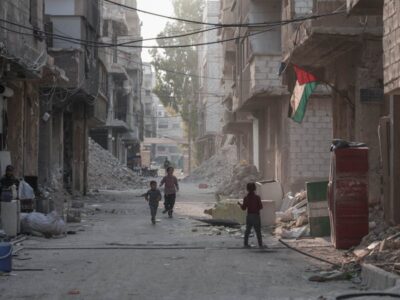
In the midst of ongoing conflicts such as the war in Ukraine, the Iran-Israel-US tensions, and the humanitarian crisis in Gaza, the world often focuses on the visible aspects of war—battlefield casualties, destroyed infrastructure, and displaced populations. However, the invisible scars left on children by these conflicts are just as devastating and long-lasting. These children, who are not directly involved in the violence, often bear the brunt of the emotional, physical, and developmental consequences of war.
A poignant example of this is the case of a 21-month-old child in Gaza who was returned to his family with injuries consistent with torture. Such incidents highlight the reality that war is not confined to battlefields alone. It permeates every aspect of life, including the lives of innocent children, who are forced to navigate a world marked by fear, displacement, and broken trust.
Trauma, the number one predictor of lifelong struggles for children in war zones
Trauma is one of the most significant challenges facing children living in war zones. While the global community often counts the visible toll—lives lost, schools destroyed—the invisible wounds of mental trauma can follow these children for the rest of their lives. Sadly, mental health is often overlooked, especially in violent areas. Understanding and addressing this trauma is key to helping these children heal and rebuild their lives.
Increasingly, many experts argue that the psychological trauma caused by war should be recognized and treated as a global public health crisis. This perspective is crucial, as it underscores the need for concerted international efforts to address the long-term consequences of war on children.
One way professionals working with children, such as child protective services, assess the state of a child entering care and how best to provide support is by screening for Adverse Childhood Experiences (ACEs). These screenings include questions like: “Have you experienced physical or sexual abuse?” or “Have you witnessed someone being physically harmed?” ACEs are a significant predictor of future problems, including substance abuse, violence, and mental health disorders.
The impact of childhood trauma on future development
Children who experience trauma during wartime are at a higher risk of developing long-term mental health issues, such as post-traumatic stress disorder (PTSD), depression, and anxiety. They may also face challenges in their academic and social development, leading to lower educational attainment and increased vulnerability to exploitation.
Moreover, the effects of trauma are not limited to the individual child. They can ripple through families and communities, perpetuating cycles of violence and poverty. This intergenerational transmission of trauma means that the consequences of war extend far beyond the immediate conflict, shaping the lives of future generations.
The need for global action
Recognizing childhood trauma from war as a global health crisis is the first step towards addressing this urgent issue. Governments, international organizations, and civil society must work together to provide comprehensive support for affected children and their families.
This includes investing in mental health services, trauma-informed care, and educational programs that address the unique needs of children in war zones. Additionally, efforts should be made to promote peacebuilding and conflict resolution, as these are essential for preventing further trauma and ensuring the safety and well-being of children.
In conclusion, the next global health crisis is not just a matter of speculation—it is already here, manifesting in the form of childhood trauma from war. By acknowledging and addressing this crisis, we can help ensure that children in war zones are given the support they need to heal and thrive, paving the way for a brighter future for all.