The next global health crisis is already here: Childhood trauma from war
While the global community often counts the visible toll, lives lost, schools destroyed, the wounds of trauma, displacement, and broken trust can follow children for the rest of their lives.
The next global health crisis is already here: Childhood trauma from war
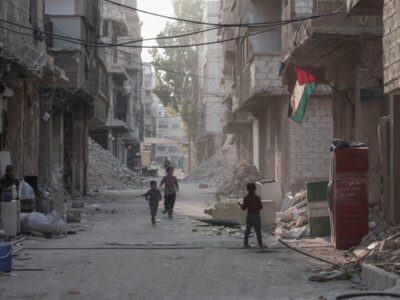
In the midst of ongoing conflicts such as the war in Ukraine, the Iran-Israel-US tensions, and the humanitarian crisis in Gaza, the world often focuses on the visible scars of war—lives lost, schools destroyed, and physical injuries. However, the invisible wounds of mental trauma, displacement, and broken trust that follow children growing up in war zones can last a lifetime. These children, who are the most vulnerable, suffer lasting emotional, physical, and developmental consequences that often go unnoticed and unaddressed.
The brutal reality of wars unfolding in our world is not just fought on battlefields. It is fought on every road, in every schoolyard, and in every home. Children in war zones are the silent victims, enduring trauma that can shape their entire lives. For instance, a 21-month-old child in Gaza was returned to his family with injuries consistent with torture, highlighting the horrific impact of war on the most innocent.
Trauma is one of the most serious challenges facing children living in war zones. While some physical injuries may heal or be managed, the invisible wounds of mental trauma can last a lifetime. Sadly, mental health is often overlooked, especially in violent areas. Understanding and addressing this trauma is key to helping these children heal and rebuild their lives.
Increasingly, many experts argue that the psychological trauma caused by war should be recognized and treated as a global public health crisis. The World Health Organization (WHO) has already identified trauma as a significant public health issue, but the specific impact of war-related trauma on children has not received the same level of attention.
One way professionals working with children, such as child protective services, assess the state of a child entering care and how best to provide support is by screening for Adverse Childhood Experiences (ACEs). These screenings include questions like: “Have you experienced physical or sexual abuse?” or “Have you witnessed someone being physically harmed?” ACEs are a significant predictor of future problems, including mental health disorders, substance abuse, and violent behavior.
Children who experience ACEs are more likely to suffer from anxiety, depression, and post-traumatic stress disorder (PTSD). They may also face challenges in school, relationships, and overall life functioning. In war zones, the prevalence of ACEs is alarmingly high, with many children experiencing multiple traumatic events.
The consequences of unaddressed childhood trauma are far-reaching. Children who grow up with unresolved trauma are more likely to pass it on to future generations, perpetuating cycles of violence and dysfunction. This intergenerational transmission of trauma can lead to a community-wide epidemic of mental health issues, hindering economic development and social cohesion.
To address this global health crisis, it is crucial to prioritize the mental health of children in war zones. This involves not only providing immediate psychological support but also implementing long-term strategies to prevent and mitigate trauma.
Governments, international organizations, and civil society must work together to ensure that children in conflict zones receive the care and protection they need. This includes investing in mental health services, supporting community-based interventions, and advocating for policies that prioritize children's rights and well-being.
Education plays a vital role in helping children heal from trauma. Schools can serve as safe spaces where children can process their experiences and develop resilience. Teachers and educators must be trained to recognize the signs of trauma and provide appropriate support.
In addition, addressing the root causes of war is essential to preventing childhood trauma. Efforts to promote peace, reduce inequality, and ensure access to basic human rights can help create environments where children can grow up safely and securely.
In conclusion, the next global health crisis is already here, and it is the invisible wounds of childhood trauma from war. By recognizing and addressing this crisis, we can help children in conflict zones heal and rebuild their lives, ultimately contributing to a more peaceful and prosperous world.