
The most expensive game cost over $1B, and how AI will transform it
Grand Theft Auto 6 and the future of AI If you happened to miss it, a few weeks back, here is the game trailer for Grand Theft Auto 6. It’s worth watching, and is amazing on multiple levels. But GTA 6 might be the peak of the open world category, untouched by the next wave […]
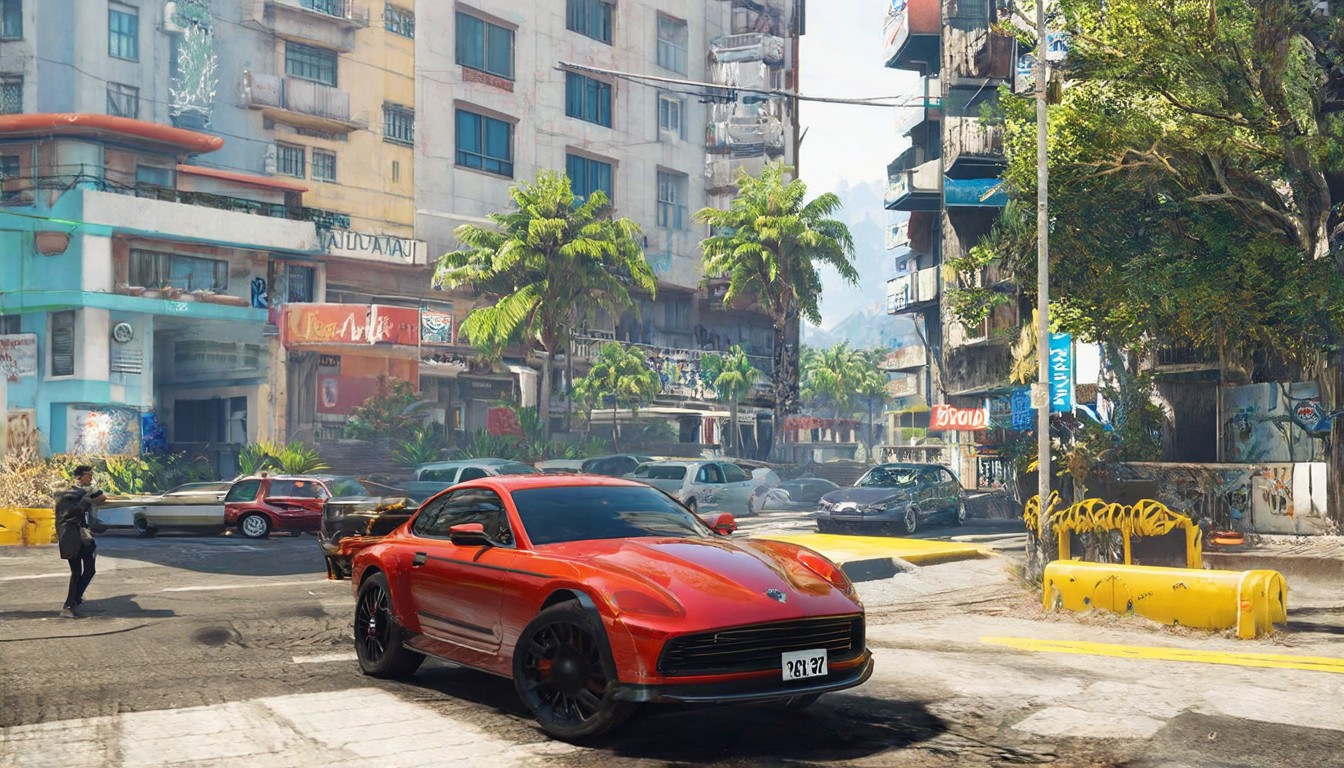
The most expensive game in history, Grand Theft Auto 6, has captured the imagination of gamers and tech enthusiasts alike. With a reported budget of $1-2 billion, it surpasses even the most expensive movies, such as the latest installments of Star Wars, Avengers, and Pirates of the Caribbean, which cost around $300-450 million. This staggering investment underscores the growing influence of gaming in popular culture.
The recent trailer for GTA 6, released just a few weeks ago, has become the most-watched non-music video on YouTube within 24 hours of its launch, outpacing all major movie trailers, TV show premieres, and even MrBeast's content. In the first 10 hours, the trailer amassed 70 million views, and as of now, it has surpassed 140 million views. This unprecedented success highlights the game's cultural significance and the anticipation surrounding its release.
Development on GTA 6 began in 2014, and it has taken nearly a decade for the game to reach its current state. Thousands of developers, designers, and other professionals have worked tirelessly to bring this ambitious project to life, with some even crunching to meet the release deadline. The game's creation process has been meticulous and resource-intensive, reflecting the dedication of the industry to push the boundaries of what is possible in gaming.
As the gaming industry continues to evolve, generative AI is poised to revolutionize the way games are developed and experienced. While the technology is still in its early stages, it is already making significant strides in various aspects of game production.
One of the most impactful areas where generative AI is making waves is in the creation of concept art and assets. AI-driven tools can generate an infinite variety of designs, allowing developers to explore a wider range of creative possibilities. This not only saves time and resources but also enhances the visual and artistic quality of games.
In addition to concept art, generative AI is also being utilized to design and create 3D assets for games. These assets can range from characters and environments to weapons and vehicles, all generated with a level of detail and realism that was previously unattainable. This technology has the potential to transform the game development process, enabling the creation of more immersive and visually stunning worlds.
Another significant area where AI is making its mark is in the development of non-player characters (NPCs). By leveraging large language models (LLMs), AI can generate NPCs with complex behaviors and interactions that are more realistic and engaging. This can lead to richer and more dynamic game worlds, as NPCs can adapt to player actions and create unique scenarios on the fly.
Generative AI is also being explored for synthesizing speech in-game characters. By training AI models on vast datasets of human speech, developers can create characters with natural-sounding dialogue that adapts to the game's context and player choices. This can greatly enhance the immersive experience, making it feel more authentic and lifelike.
Furthermore, AI-powered bots are being developed to serve as opponents in multiplayer competitive games. These bots can be programmed to mimic human players, providing a challenging and dynamic gaming experience for those who prefer to play against AI-controlled opponents.
Lastly, generative AI has the potential to revolutionize quest design and narrative storytelling in games. By using AI to generate endless quests and narratives, developers can create games with vast, interconnected worlds that offer players endless replay value. This can lead to more engaging and immersive gaming experiences, as players are presented with new challenges and stories with each playthrough.
In conclusion, Grand Theft Auto 6 not only represents the pinnacle of open-world gaming but also serves as a testament to the industry's investment in innovation and quality. As generative AI continues to transform various aspects of game development, it holds the promise of creating even more immersive and engaging experiences for gamers. The future of gaming is bright, and AI is set to play a pivotal role in shaping that future.









