The Lost Children of Minab
It has been one month since missiles struck a school in the Iranian port town.
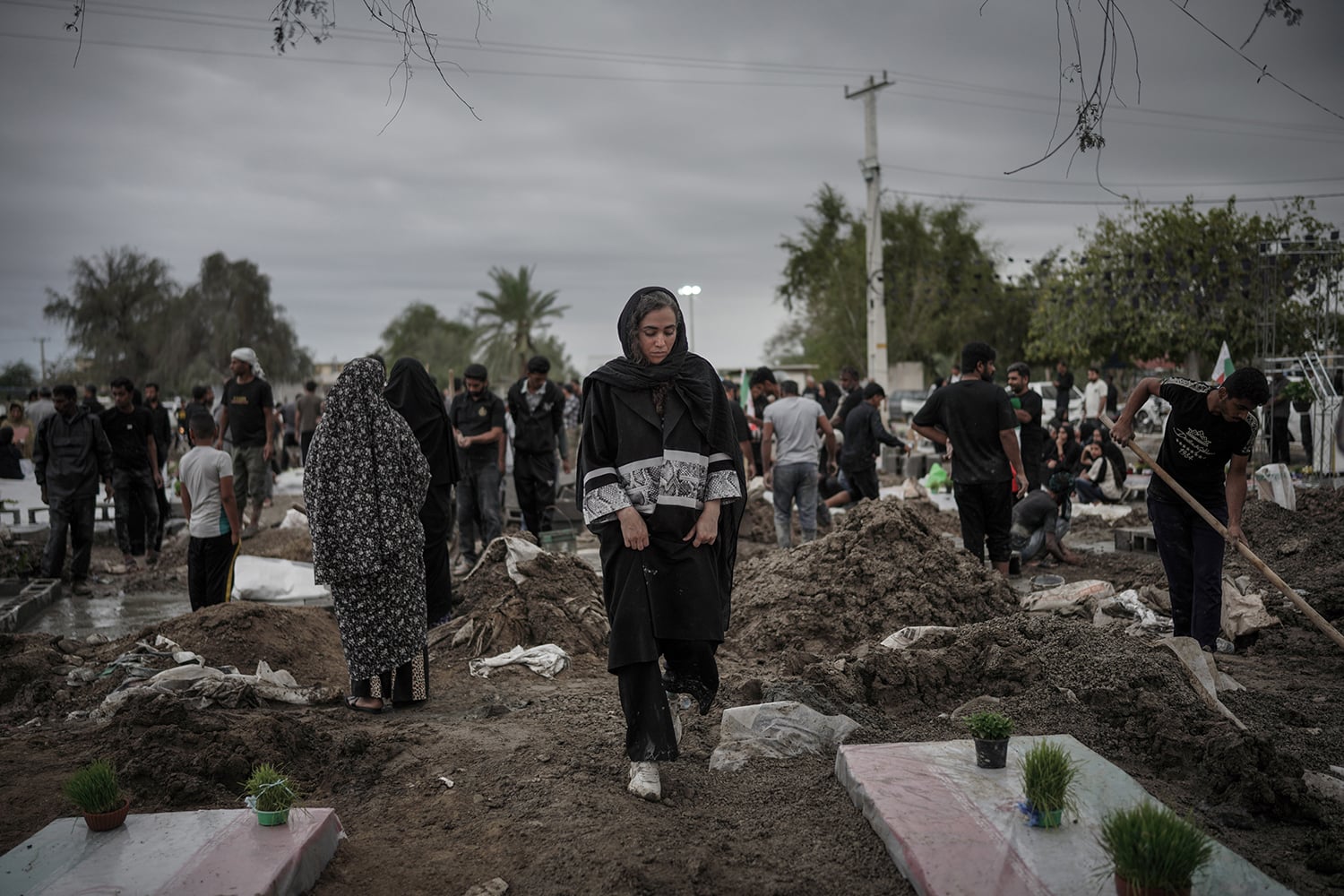
In the quiet port town of Minab, nestled along the southern coast of Iran, the aftermath of a devastating missile strike on a school has left the community grappling with grief and uncertainty. One month after the tragic event, the town remains a somber place, as families and friends search for answers and try to piece together the lives of the children who were lost.
The school, a modest two-story building with faded paint and chalkboards, was the site of the attack on the morning of October 15th. Witnesses reported hearing a loud explosion followed by chaos and screams as students and teachers scrambled for safety. The missile, which struck the school's courtyard, left a crater several feet deep and destroyed much of the building's front facade. In the immediate aftermath, emergency responders rushed to the scene, but the scale of the disaster was clear from the start.
Initial reports indicated that at least 17 children were killed, with many more injured. The victims ranged in age from 7 to 14, and their families, friends, and teachers mourn their loss. The school, which served as a primary and secondary education facility, was known for its vibrant community and dedicated teachers. The attack has left a scar not only on the town of Minab but also on the nation as a whole, sparking widespread outrage and calls for accountability.
The identity of those responsible for the attack remains unclear. Officials from the Iranian government have blamed foreign forces, though no group has claimed responsibility. The missile strike has fueled tensions in the region, with many speculating that it could be part of a larger geopolitical conflict. The townspeople of Minab, however, are more focused on the immediate aftermath and the need to support the families of the victims.
In the weeks following the attack, the community has rallied together to provide aid and support. Local businesses have donated supplies, and volunteers have organized to help with funeral arrangements and the distribution of food and clothing to those in need. The government has pledged to rebuild the school and provide compensation to the families of the victims, but many residents express skepticism about the promises.
The tragedy has also drawn attention to the vulnerability of schools in Iran, which have long been targets of political unrest and external threats. The Minab school, like many others in the country, was not equipped with adequate security measures, leaving students and teachers vulnerable to such attacks. This has sparked calls for increased investment in school safety and the implementation of better protective measures.
As the community mourns the loss of the children, the search for answers continues. Families of the victims have formed a support group, seeking to hold those responsible accountable and to ensure that such a tragedy does not happen again. The town of Minab, once a place of peace and education, now faces a difficult road ahead as it tries to rebuild and heal.
The memory of the lost children will remain etched in the town's history, a stark reminder of the fragility of life and the need for unity in the face of adversity. As the community gathers to honor the victims and support one another, the hope is that the tragedy will serve as a catalyst for change, not only in Minab but across the nation. The loss of these children is a profound one, but their legacy lives on in the resilience and determination of those who loved them and seek justice.