
The Iran war is driving up produce prices
The prices of produce are rising due to higher fuel prices amid the Iran war.
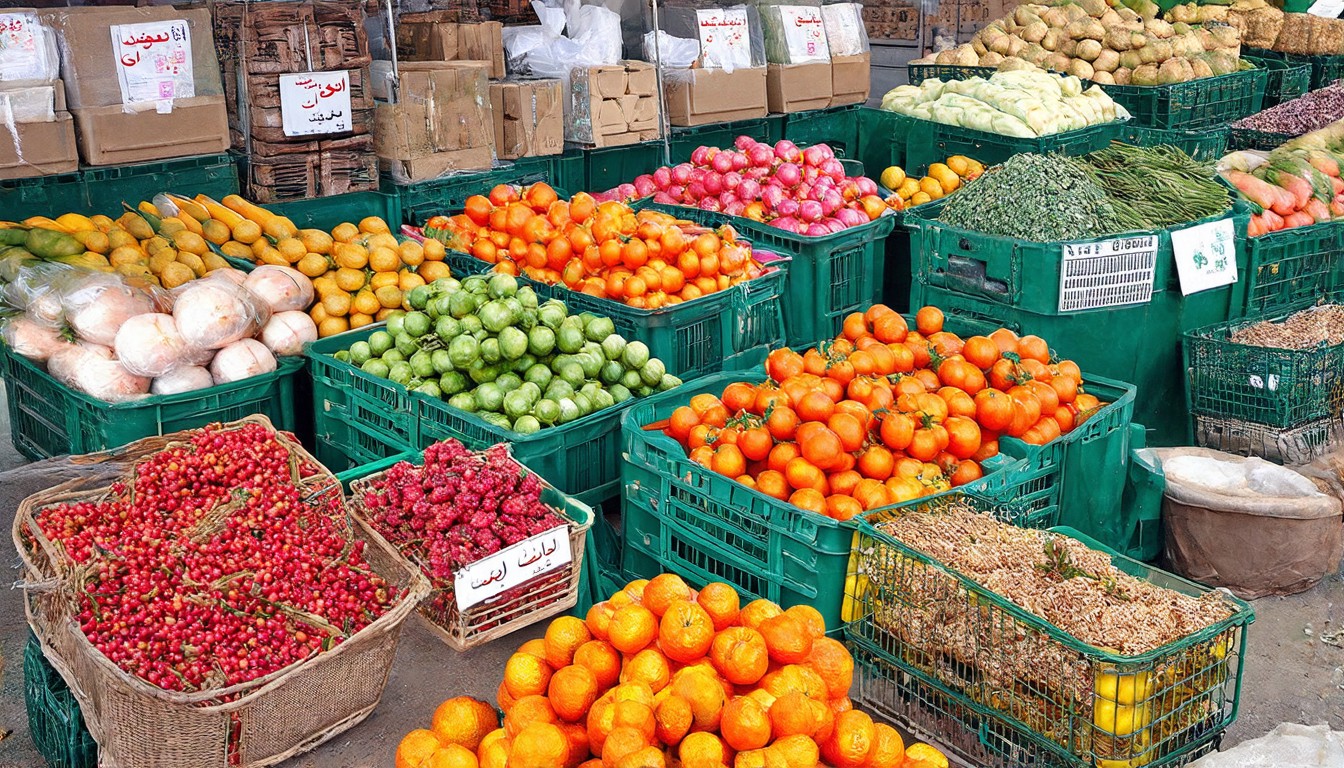
The Iran war has been a significant factor driving up produce prices worldwide. As tensions in the region escalate, the impact on global supply chains and fuel costs is becoming increasingly evident. Here's a closer look at how the conflict is affecting the prices of fruits and vegetables.
The Iran war has disrupted the flow of oil and gas, leading to higher fuel prices. This, in turn, has increased the cost of transportation for agricultural products. Farmers and retailers are passing these costs on to consumers, resulting in higher prices for fruits and vegetables. The situation is particularly acute in regions that heavily rely on imports for their produce, as they face increased shipping costs and potential delays.
One of the most affected sectors is the agricultural industry. Farmers are reporting higher expenses due to the increased cost of fuel for machinery and transportation. This has led to reduced production in some areas, as farmers struggle to cover their costs. Additionally, the uncertainty surrounding the conflict has caused some farmers to delay planting, further impacting the supply of fresh produce.
Retailers are also feeling the effects of the Iran war. With higher transportation costs, they are forced to increase prices to maintain their profit margins. This has led to a noticeable rise in the prices of fruits and vegetables at grocery stores. Consumers are already feeling the pinch, with many reporting that their grocery bills have increased significantly in recent months.
The situation is further complicated by the global supply chain. Many countries depend on imports of fresh produce, particularly during peak seasons when local supplies are limited. The disruption caused by the Iran war has led to shortages in some regions, driving up prices even further. This has put pressure on governments to find alternative sources of supply or to implement measures to stabilize prices.
In response to the rising prices, some governments are considering subsidies or tax breaks for farmers and retailers. Others are exploring alternative transportation routes to reduce reliance on fuel-intensive shipping. However, these measures may not be enough to counteract the long-term effects of the conflict on global produce prices.
The Iran war is a complex and evolving situation, with far-reaching consequences for the global economy. The impact on produce prices is just one example of how the conflict is affecting everyday life. As the situation continues to develop, it will be important for consumers, businesses, and policymakers to stay informed and adapt to the changing circumstances.
In conclusion, the Iran war has created significant challenges for the global produce market. Higher fuel prices, disrupted supply chains, and increased transportation costs are all contributing to a rise in prices for fruits and vegetables. While efforts are underway to mitigate these effects, the long-term impact on the industry and consumers remains uncertain. As the situation evolves, it will be crucial for all stakeholders to remain vigilant and adaptable.









