The Impact of Climate Change on Wheat Production in Punjab: A Time Series Approach
Introduction The state of Punjab, often referred to as the “Granary of India,” has long been a significant contributor to the country’s agricultural output, particularly in wheat production. With its fertile soil, well-irrigated land, and advanced agricultural practices, Punjab has played a crucial role in ensuring national food security. However, the region is now confronting […]
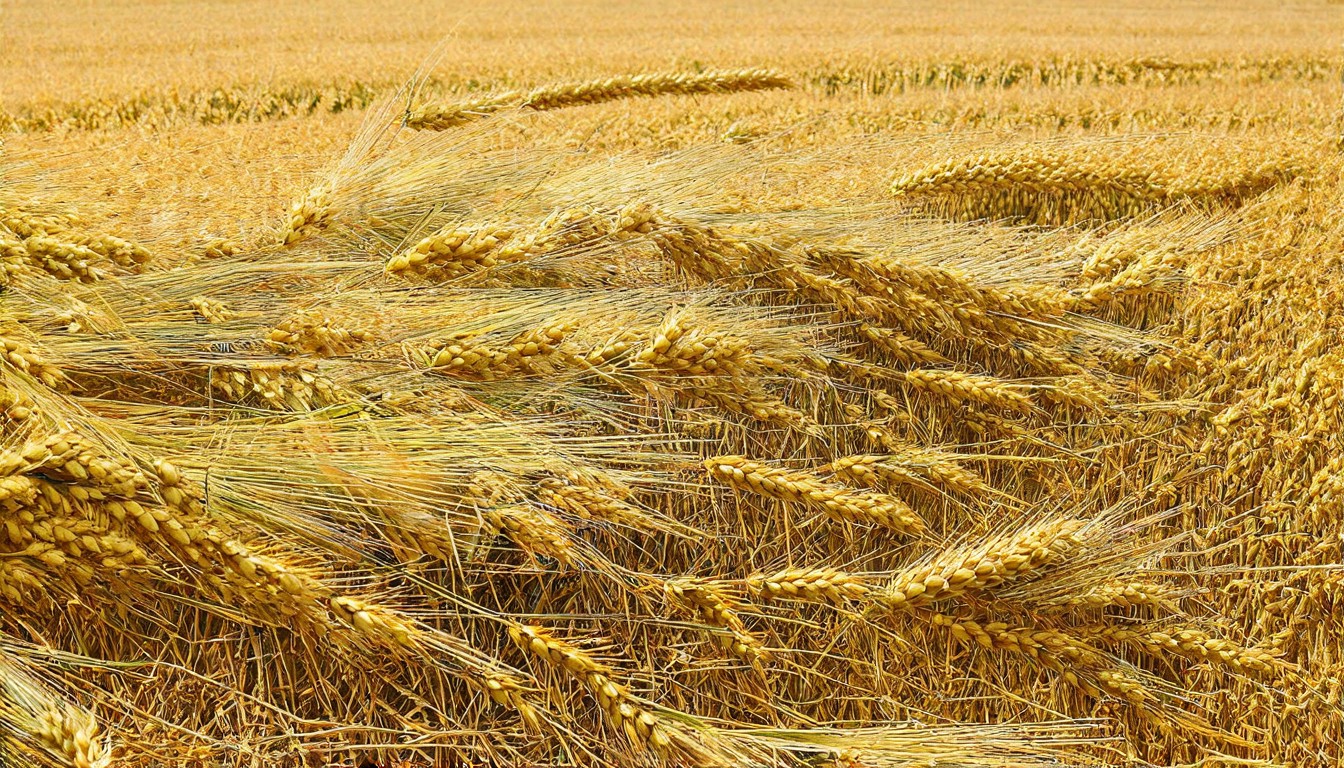
The Impact of Climate Change on Wheat Production in Punjab: A Time Series Approach
Punjab, often hailed as the “Granary of India,” has long been a cornerstone of the nation’s agricultural output, particularly in wheat production. Its fertile soil, well-irrigated land, and advanced agricultural practices have made it a vital contributor to national food security. However, the region is now facing a significant challenge in the form of climate change, which threatens its agricultural landscape and the production of staple crops like wheat.
Climate change, a global phenomenon characterized by long-term shifts in weather patterns, temperature extremes, and altered precipitation levels, is driven primarily by human activities, especially greenhouse gas emissions. In Punjab, the effects of climate change on wheat production are becoming increasingly evident, impacting the state’s agricultural economy and, consequently, the country’s overall food security.
One of the most noticeable manifestations of climate change in Punjab is the alteration of traditional weather patterns. Shifts in temperature and precipitation have disrupted the finely tuned agricultural calendar that farmers have relied upon for generations. Rising temperatures during critical stages of wheat growth, such as flowering and grain filling, can negatively affect yields. This disruption forces farmers to adapt their practices, often with limited success, as they struggle to maintain the consistency and reliability of their harvests.
Additionally, unpredictable and extreme weather events, such as unseasonal rainfall and heat waves, have become more frequent in Punjab. These events further complicate agricultural planning and operations. Unseasonal rains can lead to waterlogging, which stunts crop growth and reduces yields. Conversely, prolonged heat waves can cause stress on crops, leading to lower quality and quantity of produce. The unpredictability of these events makes it challenging for farmers to plan effectively, invest in resources, and manage risks associated with production.
Water availability in Punjab is also undergoing substantial changes due to climate change. The region heavily depends on the Indus River and its tributaries for irrigation, and variations in precipitation are influencing both the timing and volume of water flow. Altered snowmelt patterns from Himalayan glaciers, which feed these rivers, may lead to fluctuations in water availability. These changes can result in either water scarcity during critical irrigation periods or unexpected floods, both of which pose significant challenges to wheat production.
Furthermore, climate change is affecting the soil health in Punjab, which is crucial for maintaining high wheat yields. Rising temperatures can lead to increased evaporation rates, reducing soil moisture and potentially degrading soil quality over time. This degradation can limit the region’s capacity to support high levels of wheat production, further threatening the state’s agricultural economy.
The impact of climate change on wheat production in Punjab is not limited to immediate agricultural challenges. It also has broader implications for the state’s economy and society. Wheat is a key crop for both domestic consumption and export, and any disruption to production can lead to price fluctuations, affecting both farmers and consumers. Moreover, the livelihoods of millions of people in Punjab are intertwined with agriculture, and declining yields could lead to increased poverty and social unrest.
To mitigate the effects of climate change on wheat production in Punjab, policymakers and farmers must adopt adaptive strategies. This includes investing in drought-resistant crop varieties, improving irrigation efficiency, and diversifying agricultural practices to reduce vulnerability to climate extremes. Additionally, strengthening the region’s resilience through sustainable land management and conservation efforts can help ensure the long-term viability of wheat production in Punjab.
In conclusion, climate change poses a significant threat to wheat production in Punjab, with far-reaching consequences for the state’s agricultural economy and national food security. As the region continues to experience shifts in weather patterns, water availability, and soil health, it is imperative for stakeholders to collaborate and implement adaptive strategies to safeguard this vital crop. By doing so, Punjab can continue to fulfill its role as the “Granary of India” and ensure food security for millions of people across the country.