
The impact of annealing on copper-plated heterojunction solar cells
A UNSW-led team found that annealing conditions significantly affect stress, strain, and microstructure in copper-plated heterojunction solar cell contacts, with fast annealing increasing microstrain in both copper and indium tin oxide.
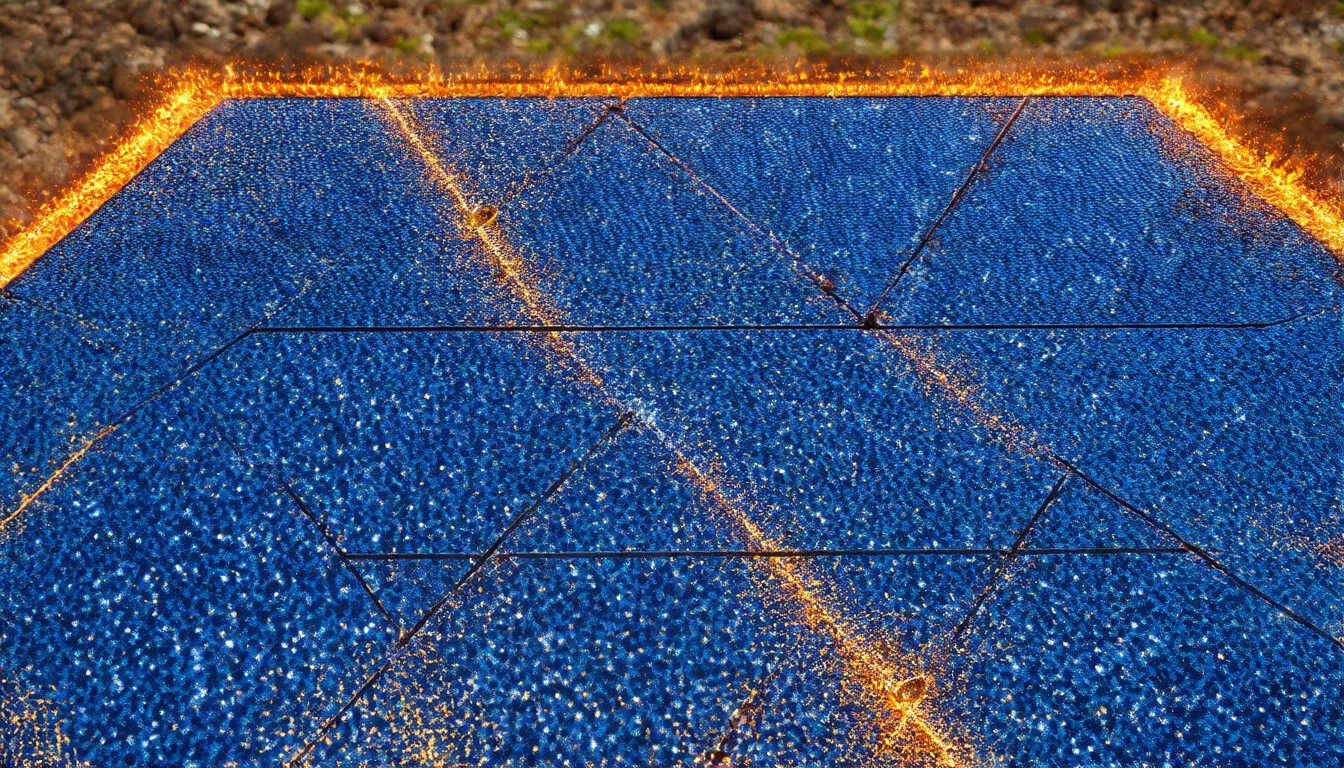
A team of researchers led by the University of New South Wales (UNSW) in Australia has discovered that annealing conditions play a crucial role in determining the stress, strain, and microstructure of copper-plated heterojunction solar cell contacts. Their study, which focused on how annealing affects the material properties of copper (Cu), indium tin oxide (ITO), and silicon (Si), highlights the importance of optimizing these processes to ensure the mechanical integrity and efficiency of solar cells.
The research team employed multiple characterization methods to understand the impact of annealing on Cu-plated heterojunction (HJT) solar cells. Co-author Pei-Chieh Hsiao explained that their findings revealed that fast annealing can increase microstrain in both copper and indium tin oxide. This discovery underscores the need for careful assessment of copper contacts on HJT cells to balance adhesion with mechanical stability.
Hsiao emphasized that controlling the microscopic structure of copper contacts is essential to limit mechanical stress in HJT solar cells. Ideally, copper contacts with a low defect density and a (100) crystal texture are preferred, as this reduces stress in silicon after annealing. This preferred texture can be achieved by adjusting the electrolyte or plating parameters, followed by optimizing the annealing process to minimize thermal strain while preserving the (100) orientation.
The study began with silicon heterojunction G12 half-cut n-type precursors measuring 210 mm × 105 mm. To restrict copper plating, the cells were coated with a resin-based mask, and selective openings were created using a collimated light source. Copper was then plated onto the exposed ITO surface using an acid-based electroplating solution at a current density of 42 mA/cm².
The team compared three annealing methods to evaluate their effects on the solar cells. In self-annealing, samples were stored at room temperature in a low-humidity environment. Fast annealing, conducted on the same day, involved heating the samples in compressed dry air at 205 ± 5°C for 45 seconds under controlled conditions.
The results of this study have significant implications for the development of more efficient and durable heterojunction solar cells. By understanding the relationship between annealing conditions and the resulting stress and strain in copper-plated contacts, researchers can now work towards optimizing the manufacturing process to enhance the performance and longevity of these solar cells. This breakthrough could lead to advancements in the solar energy industry, making it more accessible and sustainable for global energy needs.








