The Hack That Exposed Syria’s Sweeping Security Failures
When Syrian government accounts were hijacked in March, the breach looked chaotic. But it revealed something more troubling: a state struggling with the most basic layer of cybersecurity.
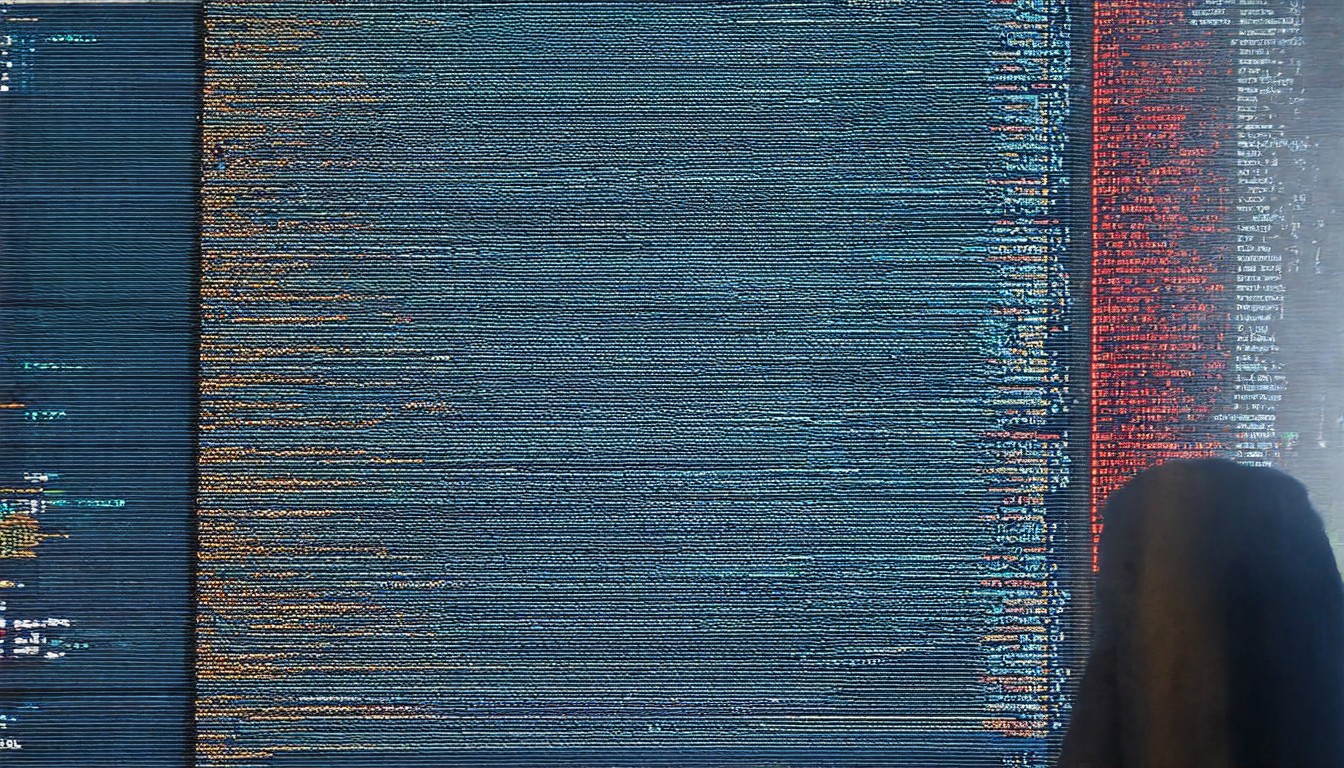
In March, a series of high-profile hacks on Syrian government accounts sent shockwaves through the cybersecurity community. At first glance, the breaches appeared to be chaotic, with unauthorized users posting nonsensical messages and images. However, beneath the surface, the incidents revealed a deeper, more troubling truth about the state of cybersecurity in Syria.
The hacks began with the takeover of several official government Twitter accounts, including those of the Syrian Arab News Agency (SANA) and the Syrian Ministry of Defense. Unauthorized users posted a mix of absurd content, such as memes and random text, while also sharing sensitive information that appeared to have been leaked from internal systems. This initial wave of breaches was followed by further incursions into other government platforms, including social media accounts and official websites.
What made these incidents particularly concerning was not just the scale of the breaches, but the underlying security failures they exposed. The hacks highlighted a lack of basic cybersecurity measures, such as strong passwords, multi-factor authentication, and regular security audits. These shortcomings allowed attackers to gain unauthorized access to government systems with relative ease.
Experts have speculated that the breaches could have been the work of a single group or even a lone hacker, exploiting the weak security posture of the Syrian government. The ease with which the accounts were compromised suggests that the state may not have invested sufficiently in cybersecurity infrastructure or trained its personnel adequately to prevent such attacks.
The consequences of these security failures are far-reaching. Not only does the breach of government accounts undermine public trust in the legitimacy of the regime, but it also raises concerns about the potential for more sophisticated cyberattacks targeting critical infrastructure, such as power grids, communication systems, and military facilities.
Moreover, the hacks could have facilitated the spread of disinformation and propaganda, as unauthorized users posted content that could mislead the Syrian public or influence international perceptions of the conflict. The Syrian government has long been accused of using state-sponsored disinformation campaigns to shape public opinion, and the breaches may have inadvertently amplified these efforts.
In response to the breaches, the Syrian government has been criticized for its lack of transparency and accountability. Official statements have been sparse, and there is no clear indication of whether any investigations have been launched to identify the perpetrators or understand the extent of the damage. This silence has fueled speculation that the regime may be attempting to cover up its security failures or that it is struggling to address the issue due to limited resources and expertise.
The hacks also raise questions about the broader cybersecurity landscape in the region. Syria is not the only country in the Middle East grappling with cybersecurity challenges, as neighboring nations like Iraq, Lebanon, and Israel have also experienced significant breaches and attacks in recent years. These incidents highlight the need for regional cooperation and investment in cybersecurity capabilities to protect against growing threats.
In conclusion, the March hacks on Syrian government accounts revealed a state struggling with the most basic layers of cybersecurity. The breaches not only compromised official communications but also exposed systemic weaknesses that could have far-reaching implications for national security and public trust. As the Syrian government grapples with these challenges, the international community must consider how best to support its efforts to build a more secure digital infrastructure, while also addressing the humanitarian and political crises that have plagued the nation for years.