
The future of global trade won’t depend on the Strait of Hormuz
A new infrastructure is being built rapidly to avoid the strategic chokepoint and ensure global energy and food security
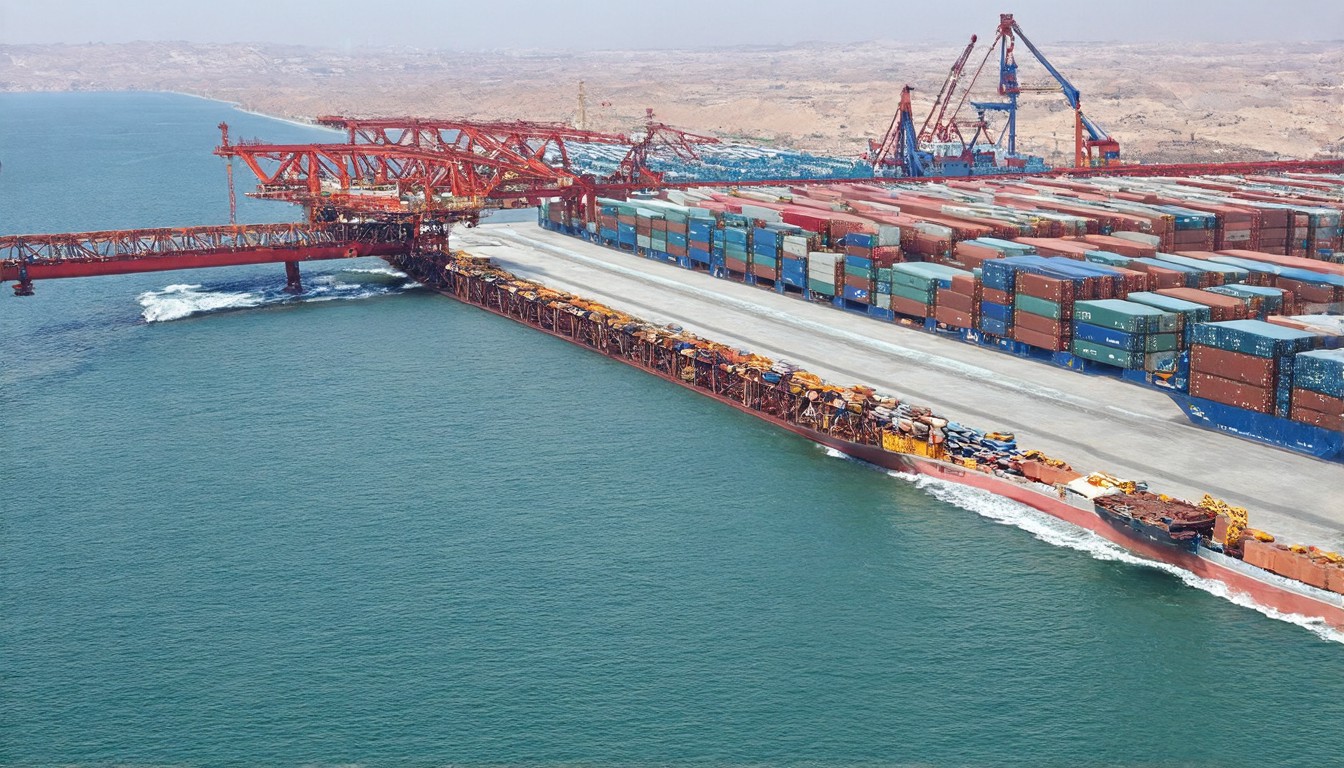
In recent years, the Strait of Hormuz has been a focal point of global geopolitical tensions, primarily due to its critical role in global oil supply chains. This narrow waterway, located between the Persian Gulf and the Gulf of Oman, is the primary route through which approximately 30% of the world's oil is transported. However, as concerns over regional stability and the need for diversification grow, a new infrastructure is being rapidly developed to bypass this strategic chokepoint, ensuring global energy and food security.
The construction of alternative routes, such as the Trans-Iranian Railroad and the proposed Eurasian Land Bridge, is part of a broader strategy to reduce reliance on the Strait of Hormuz. These projects aim to create more secure and reliable pathways for trade, particularly for energy and agricultural goods. The Trans-Iranian Railroad, which spans over 1,770 kilometers, connects the Caspian Sea port of Bandar-e Anzali to the Persian Gulf port of Bandar-e Kangan. This railway not only facilitates domestic trade within Iran but also serves as a crucial link for international commerce, allowing goods to bypass the Strait of Hormuz.
Similarly, the Eurasian Land Bridge, a proposed network of roads and railways stretching from China to Turkey, could significantly alter global trade dynamics. By connecting major Asian and European markets, this infrastructure would enable the efficient transport of goods across land, reducing the need for maritime routes through the Strait of Hormuz. While the Eurasian Land Bridge remains a visionary project, its development is already underway in several countries, with China and Russia leading the initiative.
The push to diversify trade routes is driven by a combination of factors. Firstly, the geopolitical instability in the Middle East, including tensions between Iran and the United States, has heightened concerns about the security of the Strait of Hormuz. Secondly, the increasing demand for energy and food in rapidly growing economies like China and India has strained existing supply chains. Finally, environmental concerns, such as the need to reduce carbon emissions from maritime transport, are encouraging the exploration of alternative routes.
The development of these new infrastructure projects is not without its challenges. Financial investments are substantial, and coordination among multiple countries is required to ensure seamless connectivity. Additionally, environmental impacts and potential disruptions to existing trade patterns must be carefully managed. However, the potential benefits of reduced geopolitical risk, increased trade efficiency, and lower carbon emissions make these initiatives compelling.
In conclusion, the future of global trade is increasingly looking beyond the Strait of Hormuz. The rapid construction of alternative infrastructure, such as the Trans-Iranian Railroad and the Eurasian Land Bridge, reflects a global shift towards diversification and resilience. While these projects face significant challenges, they hold the promise of ensuring energy and food security, fostering economic growth, and reducing vulnerability to geopolitical tensions. As these routes come online, they will undoubtedly reshape the global trade landscape, highlighting the adaptability and innovation of international commerce in the face of evolving challenges.









