
The Fragile Hope for Salmon Recovery in Maine
A long-term project to remove or modify dams may clear the way for endangered wild Atlantic salmon to swim freely up to the Sandy River. But it faces opposition from business and lawmakers.
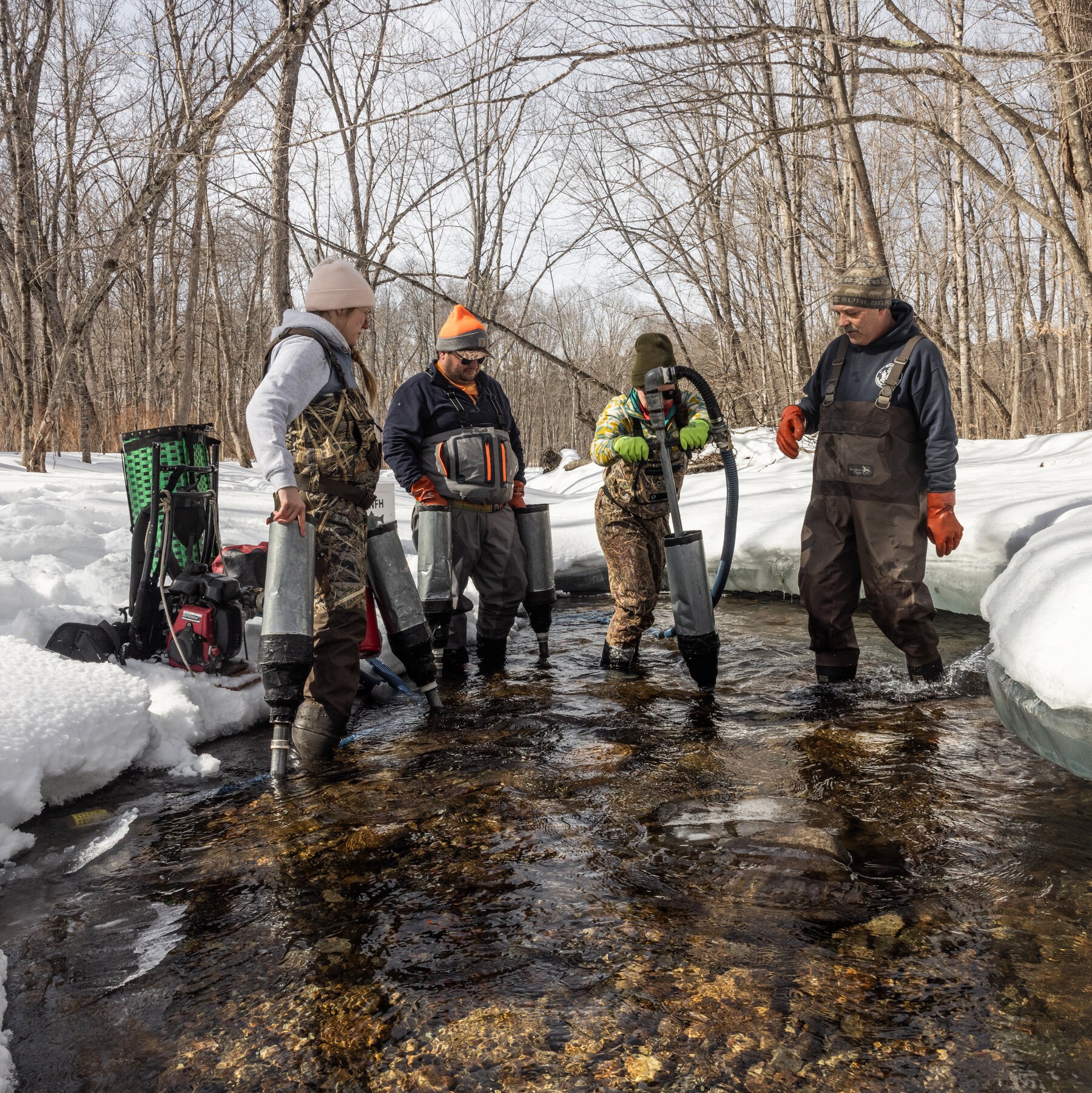
In the northeastern corner of the United States, where the Atlantic Ocean meets the Maine coastline, a delicate balance of ecological hope and human intervention is unfolding. The state of Maine, known for its rugged beauty and abundant wildlife, is home to one of the most endangered species in the region: the wild Atlantic salmon. For decades, these majestic fish have faced numerous threats, including habitat loss, pollution, and the formidable barrier of human-made dams. Now, a ambitious project to remove or modify these dams has emerged as a potential lifeline for the salmon, but it is not without its challenges.
The Sandy River, a tributary of the Kennebec River, has long been a critical spawning ground for Atlantic salmon. However, the presence of dams along its course has severely restricted the fish's ability to migrate upstream. In response, a collaborative effort between environmental organizations, state agencies, and local communities has been spearheaded to address this issue. The project, which spans several years and involves the removal or modification of dams, aims to restore the salmon's natural migration patterns and enhance their chances of survival.
The initiative is not without its scientific backing. Research conducted by Maine's Department of Inland Fisheries and Wildlife has underscored the importance of this effort. Studies have shown that the removal of dams can significantly improve the salmon's access to spawning grounds, thereby increasing their reproductive success. This, in turn, could lead to a resurgence in the salmon population, which has been declining for years.
However, the path to salmon recovery is fraught with obstacles. One of the most significant challenges is the opposition from business and lawmakers. Many argue that the removal or modification of dams could have negative economic consequences, particularly for the hydroelectric power industry. Dams play a crucial role in energy production, and their removal might lead to a loss of revenue for local utilities and businesses.
Lawmakers have also expressed concerns about the potential impact on communities that rely on dams for recreational activities, such as boating and fishing. While the project's proponents argue that the benefits of salmon recovery will outweigh these short-term disruptions, opponents remain skeptical. They contend that the economic risks are too great, and that alternative solutions, such as the construction of fish ladders, should be explored first.
Despite these challenges, the project continues to garner support from environmental advocates and conservationists. They highlight the long-term ecological benefits of restoring the salmon's habitat, arguing that the health of the ecosystem is essential for the well-being of the region. They also point out that the decline of salmon has already had ripple effects on the local economy, including the loss of jobs in the fishing and tourism industries.
The debate over dam removal is not unique to Maine. Similar efforts are underway in other parts of the world, such as the Columbia River Basin in North America and the Danube River in Europe. These projects have yielded mixed results, with some achieving significant success while others have faced setbacks. The outcome in Maine will likely depend on a delicate balance of scientific evidence, economic considerations, and political will.
As the project progresses, it will be crucial for all stakeholders to engage in open dialogue and find common ground. The fate of the Atlantic salmon is not only a matter of ecological preservation but also a testament to the interconnectedness of human and natural systems. By working together, Maine can forge a path toward salmon recovery that honors both the environment and the community.
In the end, the fragile hope for salmon recovery in Maine is a story of resilience and determination. It is a reminder that the health of our ecosystems is intrinsically linked to the well-being of all living beings, and that the choices we make today will shape the future of our planet. As the dams are dismantled and the rivers flow freely once more, the Atlantic salmon may find the path to renewal, and Maine may find a renewed connection to the natural world that sustains it.








