The Fragile Hope for Salmon Recovery in Maine
A long-term project to remove or modify dams may clear the way for endangered wild Atlantic salmon to swim freely up to the Sandy River. But it faces opposition from business and lawmakers.
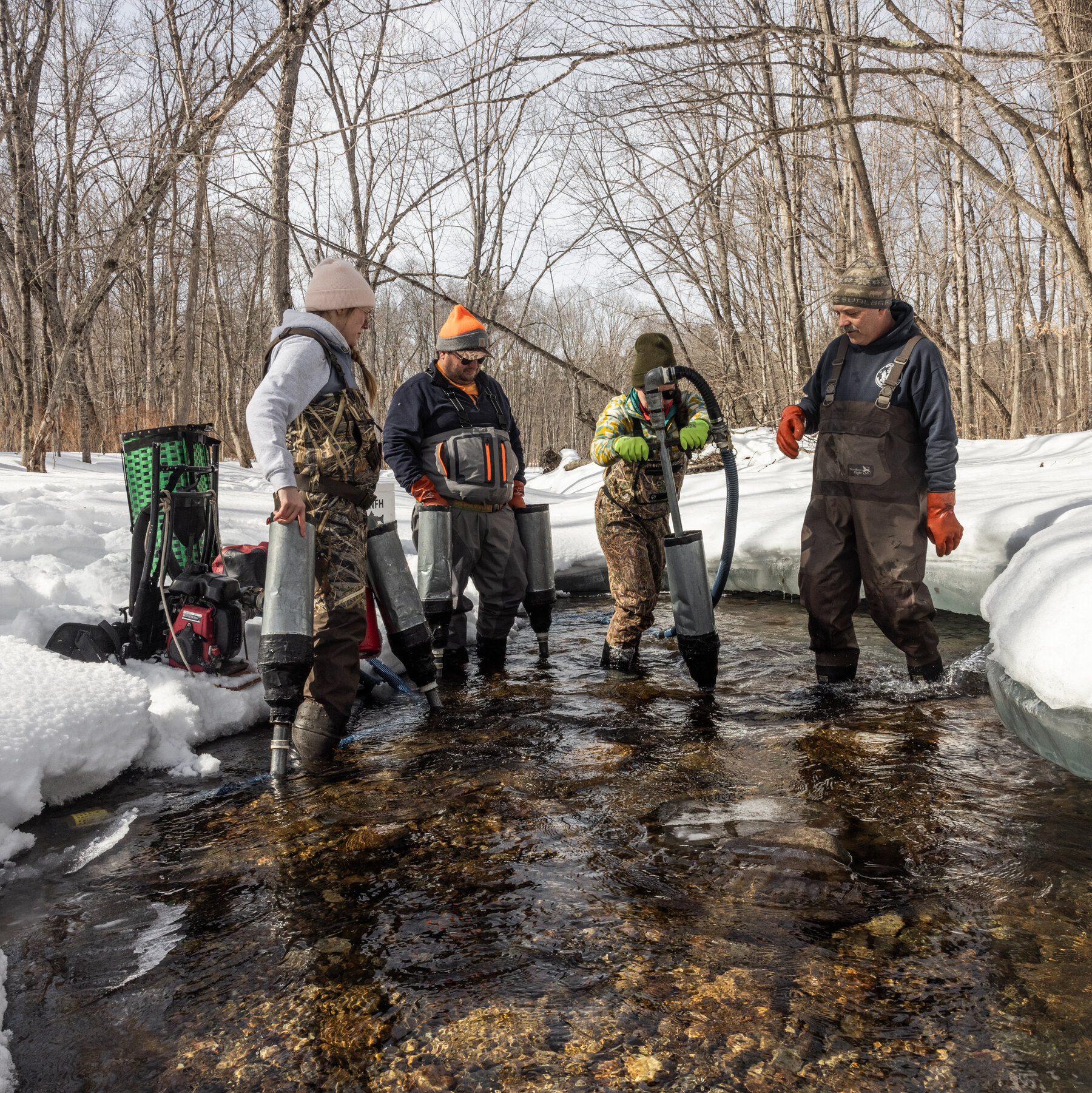
In the picturesque state of Maine, a project aimed at restoring the natural migration routes of endangered wild Atlantic salmon has captured the attention of environmentalists and policymakers alike. The initiative, which focuses on the removal or modification of dams along the Sandy River, holds the promise of reinvigorating a once-thriving salmon population. However, this ambitious endeavor is not without its challenges, as it faces significant opposition from local businesses and lawmakers who prioritize economic interests.
The Sandy River, a tributary of the Kennebec River, has long been a vital spawning ground for Atlantic salmon. Historically, these fish migrated upstream to lay their eggs, a journey that has been severely disrupted by human-made barriers. Dams, constructed primarily for hydroelectric power generation and flood control, have fragmented the river, trapping salmon and preventing them from reaching their spawning grounds. As a result, the salmon population has plummeted, leading to their designation as an endangered species.
The proposed project, spearheaded by environmental organizations and supported by scientists, aims to address this critical issue by systematically evaluating and modifying existing dams. By installing fish ladders, adjusting water flow, or even removing certain dams, the plan seeks to restore the river's natural flow, enabling salmon to migrate freely. This would not only benefit the salmon but also enhance the overall health of the ecosystem, as the fish play a crucial role in maintaining the balance of aquatic life.
Despite the compelling scientific rationale, the project faces formidable obstacles. Local businesses, particularly those reliant on hydroelectric power, have expressed concerns about the economic implications of dam modifications. They argue that such changes could lead to reduced energy production and increased maintenance costs. Additionally, lawmakers from various political parties have voiced skepticism about the project's feasibility and cost-effectiveness. Some have questioned whether the benefits to salmon outweigh the potential economic drawbacks for the region.
Critics of the project also point to alternative solutions, such as the construction of fish passages or the use of non-invasive technologies to monitor and assist salmon migration. They contend that these methods could achieve similar goals without the significant disruption caused by dam removal. Furthermore, they emphasize the need for a comprehensive assessment of the project's potential impacts on local communities and industries.
Despite these challenges, proponents of the dam removal project argue that the long-term ecological benefits far outweigh the short-term economic concerns. They highlight the importance of preserving biodiversity and the potential economic advantages of a thriving salmon industry, which could include fishing tourism and aquaculture. They also emphasize that the project is not without precedent, citing successful dam removals in other regions that have led to significant salmon population recoveries.
The debate over the future of the Sandy River dams is a microcosm of the broader environmental and economic tensions faced by many regions. As the project moves forward, it will be crucial for all stakeholders to engage in open dialogue and find a balance that protects both the environment and the local economy. The fate of the Atlantic salmon in Maine may hinge on the ability of policymakers, businesses, and environmentalists to work together towards a sustainable solution.
In the meantime, the fragile hope for salmon recovery in Maine persists, fueled by the determination of those who believe in the power of nature to rebound when given the opportunity. As the project navigates its challenges, the world watches, eager to see if this small river can become a beacon of hope for the restoration of endangered species and the delicate balance of ecosystems around the globe.