
The Founder Who Lost To TikTok Is Building Its AI Successor
This post is sponsored by Sekai
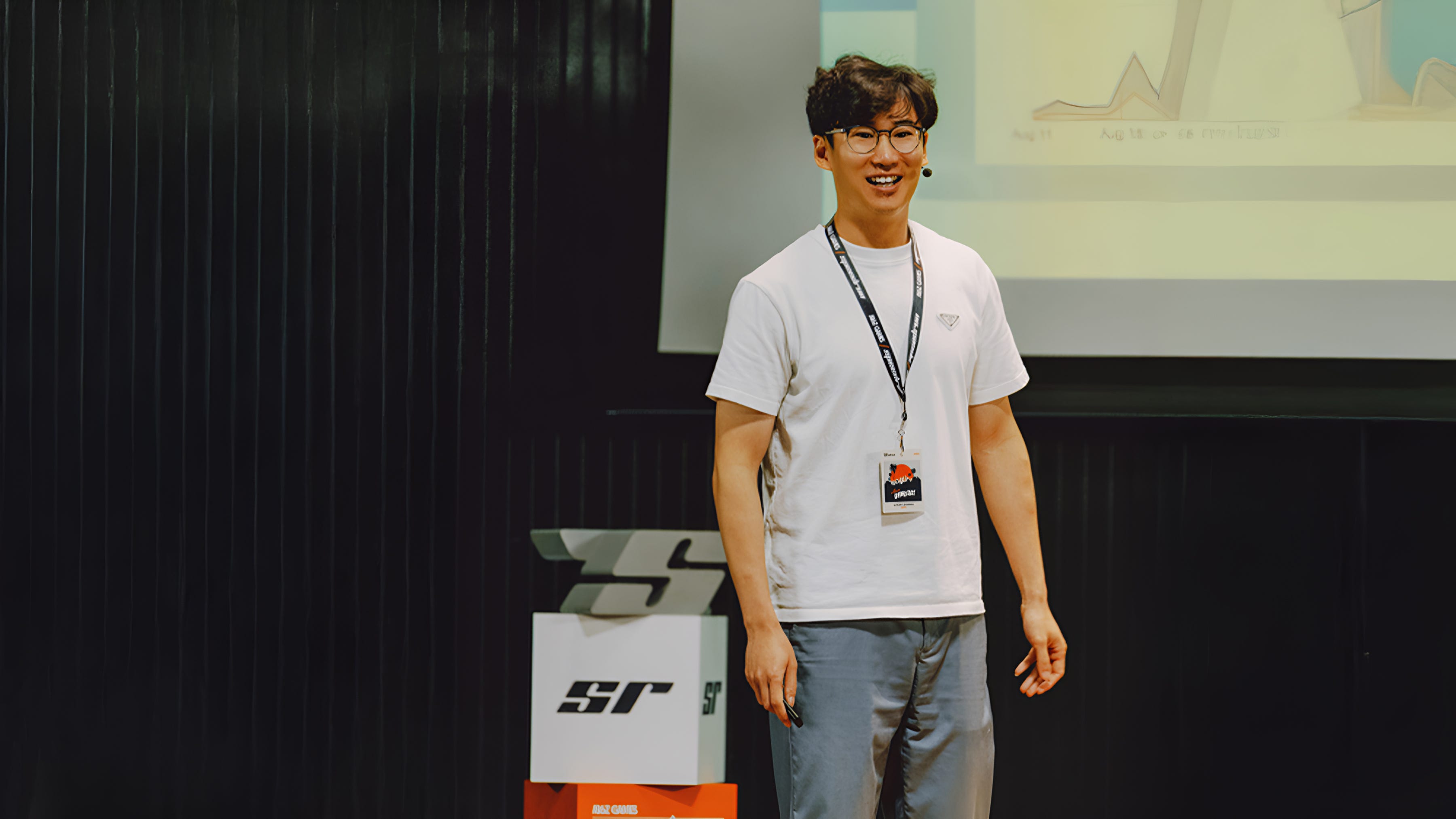
Lucky Zhang, the founder who once battled TikTok in Latin America, is now pivoting to build the AI successor that could redefine social media. After a decade of platform-building, Zhang has gained invaluable insights into the competitive landscape, particularly from his time at ByteDance, where he studied TikTok's recommendation engine. Now, he's leveraging this knowledge to create Sekai, an AI app creation platform that empowers developers to build and scale social media applications.
Zhang's journey began when he ventured into Latin America, where he directly competed with TikTok. This experience provided him with firsthand knowledge of the challenges and opportunities in the social media space. He observed the rapid growth of TikTok and the need for innovative platforms that could capture user attention. This realization led him to delve deeper into the technology behind TikTok's success, particularly its recommendation engine.
While working at ByteDance, Zhang had access to the inner workings of TikTok's algorithm. He studied how the platform personalizes content for users, driving engagement and retention. This understanding became the foundation for his new venture, Sekai. The platform is designed to simplify the creation of AI-driven social apps, allowing developers to build and scale applications without the need for extensive AI expertise.
Sekai's core offering is its AI app creation platform, which utilizes machine learning to help developers build social media applications that can compete with the likes of TikTok. The platform provides a range of tools and APIs that enable developers to integrate AI-driven features such as personalized content recommendations, real-time interaction, and user behavior analysis. By leveraging these tools, developers can create engaging apps that adapt to user preferences, increasing the chances of success in the crowded social media market.
One of the key advantages of Sekai is its accessibility. Unlike traditional AI platforms that require significant technical expertise, Sekai is designed to be user-friendly and scalable. This means that developers with varying levels of experience can build and launch social media apps more efficiently. The platform's modular design allows developers to customize their apps according to specific needs, ensuring that each application stands out in the competitive landscape.
As Sekai gains traction, it is poised to challenge TikTok's dominance in the social media space. By providing developers with the tools to create innovative AI-driven apps, Sekai is set to foster a new wave of social media platforms that can captivate users and reshape the industry. Zhang's experience in directly competing with TikTok and his deep understanding of its recommendation engine give Sekai a competitive edge.
In the future, Sekai aims to expand its reach beyond Latin America, targeting other regions where TikTok's influence is strong. By offering a more accessible and customizable AI platform, Sekai could attract developers who are looking for alternatives to TikTok. The platform's ability to democratize AI app creation could lead to a proliferation of new social media applications, driving competition and innovation in the industry.
In conclusion, Lucky Zhang's journey from competing with TikTok to building its AI successor through Sekai is a testament to the power of learning and adaptation. By harnessing his insights and expertise, Zhang is now poised to challenge the social media giant with a platform that empowers developers to create innovative AI-driven applications. As Sekai continues to gain traction, it remains to be seen whether it can carve out a significant market share and reshape the future of social media.









