
The Founder Who Lost To TikTok Is Building Its AI Successor
This post is sponsored by Sekai
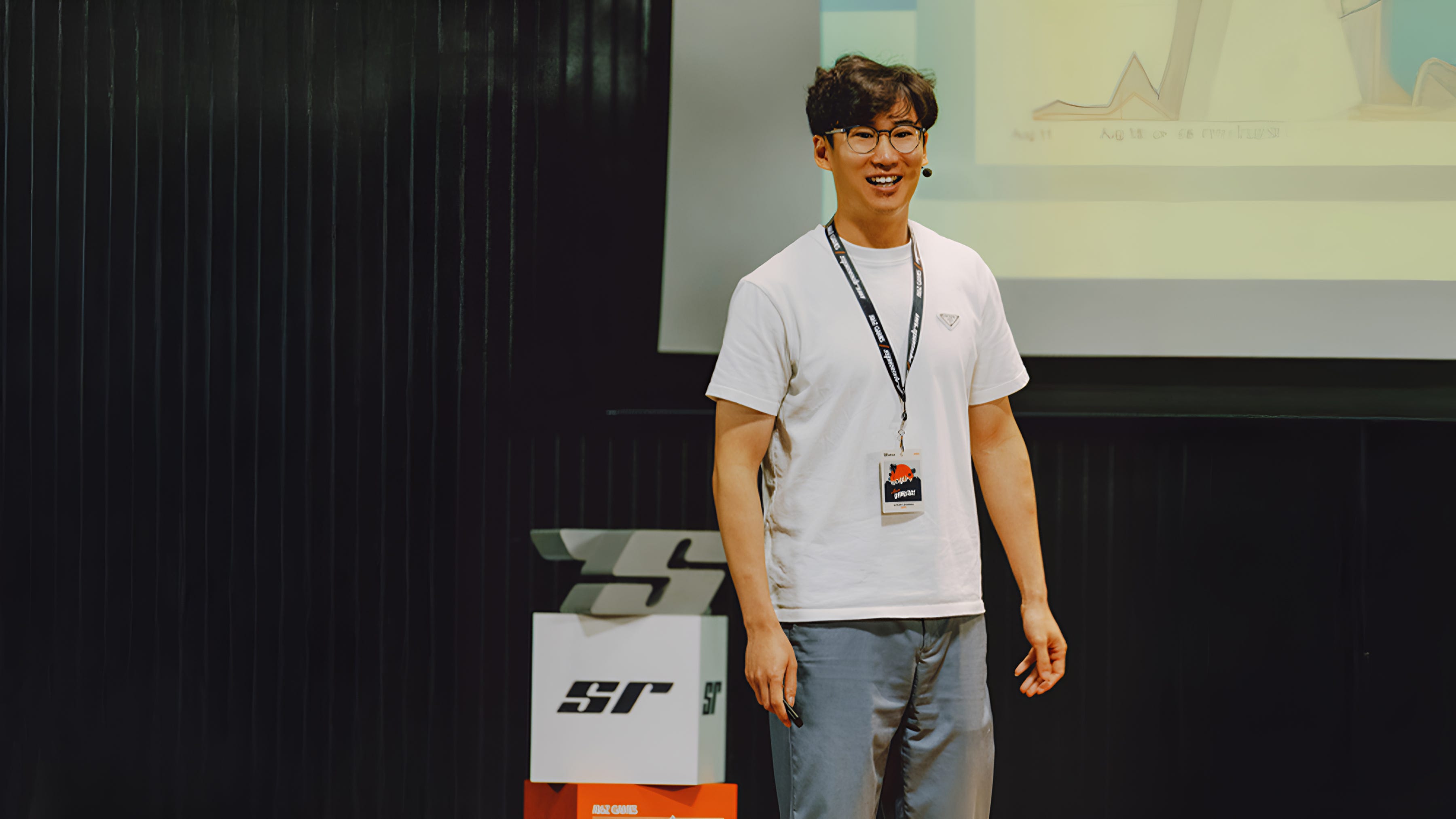
Lucky Zhang, the founder who once battled TikTok in Latin America, is now pivoting to build the AI successor that could redefine social media. After a decade of platform-building, Zhang has gained invaluable insights into the competitive landscape, particularly through his time at ByteDance, where he studied TikTok's recommendation engine. Now, he's leveraging these experiences to create Sekai, an AI app creation platform that empowers developers to build and scale social media applications.
Zhang's journey began when he entered the platform-building business, aiming to challenge TikTok's dominance in Latin America. His efforts involved developing apps that could compete with TikTok's features and user engagement. This experience provided him with a deep understanding of the challenges and opportunities in the social media space. However, it was his time at ByteDance that proved to be a turning point. As he worked on TikTok's recommendation engine, Zhang gained access to proprietary AI technologies and algorithms that drive the platform's content discovery and personalization.
Drawing from these insights, Zhang founded Sekai, an AI app creation platform designed to democratize the process of building and scaling social media applications. Unlike traditional app development frameworks, Sekai integrates advanced AI capabilities that enable developers to create engaging, personalized content quickly and efficiently. This approach allows anyone with coding skills to build and launch social media apps without the need for extensive AI expertise.
Sekai's key differentiator is its ability to replicate the success of TikTok by providing developers with the tools to create similar platforms. The platform offers pre-built AI components that handle recommendation engines, content moderation, and user engagement, allowing developers to focus on the unique aspects of their app. This not only accelerates the development process but also reduces the barrier to entry for new entrants in the competitive social media market.
As Sekai gains traction, it is poised to reshape the landscape of social media platforms. By enabling a new wave of developers to create AI-driven apps, Sekai could lead to a proliferation of innovative and engaging platforms. This, in turn, may force TikTok to adapt and invest more in its own AI technologies to stay ahead of the competition.
Zhang's journey from direct competition with TikTok to building its potential successor is a testament to his adaptability and vision. By leveraging his experiences and insights, he has created a platform that not only challenges the status quo but also empowers a new generation of developers to redefine social media. As Sekai continues to grow, it will be interesting to see how it impacts the competitive dynamics of the industry and whether it can truly dethrone TikTok.
In conclusion, Lucky Zhang's transformation from a TikTok competitor to the creator of an AI app platform that could redefine social media is a compelling story of resilience and innovation. Sekai's potential to democratize the creation of AI-driven social media applications holds significant implications for the future of the industry. As more developers gain access to powerful AI tools, the landscape of social media could become even more dynamic and competitive, with TikTok facing new challenges in maintaining its dominance. Only time will tell if Sekai will indeed become the AI successor that Zhang envisions, but its impact on the industry is already starting to be felt.









