The first gamblers were Ice Age women on the Great Plains
No boys allowed: Women likely excluded men from early dice games. The post The first gamblers were Ice Age women on the Great Plains appeared first on Popular Science .
The first gamblers were Ice Age women on the Great Plains
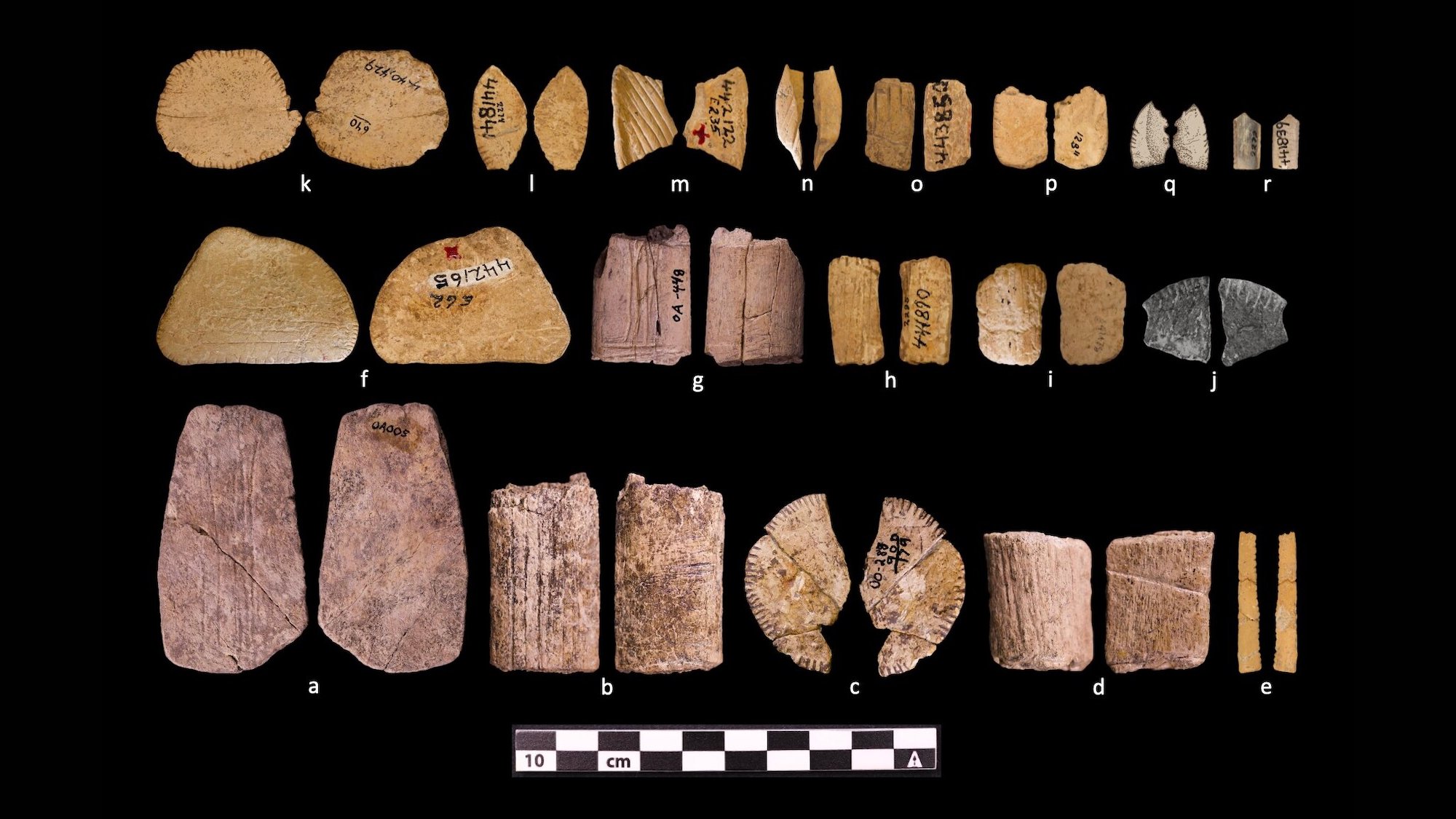
For millennia, humans have been drawn to games of chance and probability, but new evidence suggests that our relationship with these concepts dates back much further than previously thought. Recent findings published in the journal American Antiquity reveal that Ice Age hunter-gatherers living on the western Great Plains engaged in dice games and used probability tools over 12,000 years ago. This discovery pushes back the timeline for the emergence of such activities by more than 6,000 years compared to similar artifacts found among Bronze Age societies in Europe, Africa, and Asia.
For decades, archaeologists have assumed that humans first explored probability and randomness around 5,500 years ago, based on the discovery of multisided dice and other objects at sites across the Middle East, India, Asia, and other parts of the Old World. These artifacts were often linked to gambling and divination, which in turn facilitated the development of probabilistic thinking and other essential mathematical theories. However, recent research challenges this long-held belief and proposes a significant revision of the timeline.
Colorado State University archaeologist Robert Madden and his team have re-examined a collection of historic Indigenous dice gathered by ethnographer Stewart Culin in 1907. Culin's work, Games of the North American Indians, analyzed 293 sets of dice from across the continent. By applying a systematic analysis of measurable physical characteristics to these and other gaming pieces, Madden's team has uncovered evidence of early probability games in the Great Plains region.
The people most frequently engaged in these games of chance were likely not the ones initially imagined. Traditional archaeological theories have focused on male-dominated Bronze Age societies, but the new findings indicate that women may have played a more significant role in the early development of gambling and probability. This shift in perspective challenges previous assumptions about gender roles in prehistoric societies and highlights the importance of re-evaluating existing artifacts and evidence.
The discovery of dice and probability tools in the Great Plains region also has implications for our understanding of the spread of these concepts across the globe. If the Ice Age hunter-gatherers in North America were using dice and engaging in games of chance over 12,000 years ago, it suggests that these practices may have originated in the Americas and later spread to other parts of the world. This could potentially rewrite the history of human civilization, as it challenges the notion that such innovations were exclusive to the Old World.
In conclusion, the recent findings of early dice games and probability tools among Ice Age women on the Great Plains have the potential to reshape our understanding of human history. By pushing back the timeline for the emergence of gambling and probability, this discovery not only challenges traditional archaeological theories but also highlights the crucial role of women in the development of these concepts. As researchers continue to analyze and re-evaluate ancient artifacts, it is likely that we will uncover even more surprises about the rich and diverse history of human civilization.