
The evolution of Apple over 50 years
David Pogue, an author and correspondent for "CBS Sunday Morning," talks about covering the rise of Apple over his career as the company is set to turn 50 next month, and his new book, "Apple: The First 50 Years."
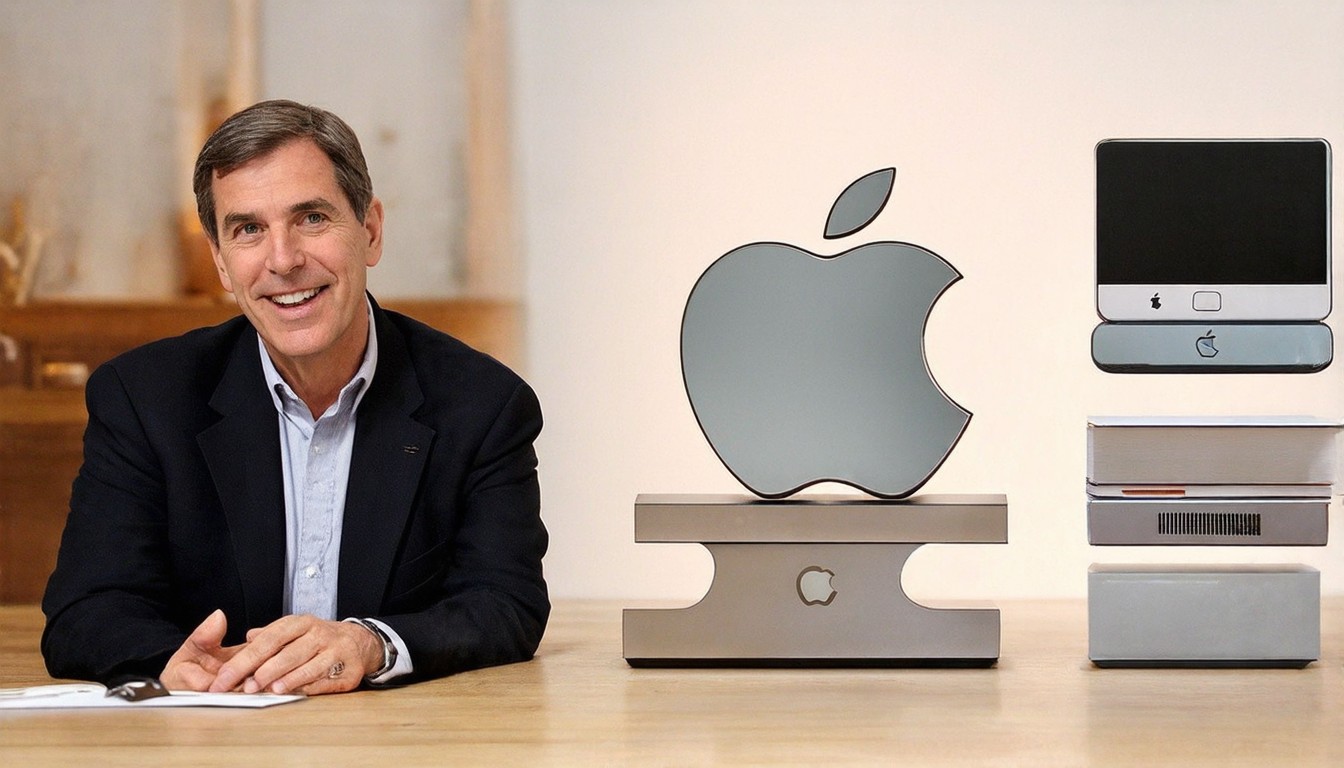
David Pogue, a seasoned author and correspondent for CBS Sunday Morning, has spent decades chronicling the rise of Apple, a company that has become synonymous with innovation and design. As Apple prepares to celebrate its 50th anniversary next month, Pogue reflects on his journey covering the company and shares insights into his new book, "Apple: The First 50 Years."
Pogue's first encounter with Apple was in the early 1980s, a time when the company was still in its infancy. He recalls the excitement surrounding the introduction of the Apple II, which quickly became a staple in homes and schools. The computer's user-friendly interface and compatibility with various peripherals made it a hit, laying the groundwork for Apple's future success. Pogue's early reports highlighted the company's visionary approach, led by co-founders Steve Jobs, Steve Wozniak, and Ronald Wayne.
Throughout the 1980s and 1990s, Pogue witnessed Apple's struggles and triumphs. The Macintosh, introduced in 1984, revolutionized personal computing with its graphical user interface, but the company faced challenges in maintaining its market leadership. Pogue notes the impact of Jobs' departure from Apple in 1985 and his return in 1997, marking a turning point that revitalized the company.
The late 1990s and early 2000s saw Apple reemerge as a formidable player in the tech industry. The introduction of the iPod in 2001 disrupted the music industry, while the iPhone, launched in 2007, redefined mobile communication. Pogue's coverage of these milestones underscores the company's ability to anticipate consumer needs and deliver groundbreaking products.
In his book, "Apple: The First 50 Years," Pogue delves into the company's evolution, examining key products, leadership changes, and cultural shifts. He explores how Apple's design ethos, emphasizing simplicity and elegance, has become a hallmark of the brand. Pogue also examines the company's challenges, including its tumultuous relationship with regulators and competitors, as well as the high expectations placed on its innovations.
As Apple looks to the future, Pogue reflects on the company's legacy and its ongoing influence. The continued success of the iPhone, iPad, and Mac line, alongside the introduction of services like Apple Music and Apple TV+, highlights Apple's diversification strategy. Pogue suggests that the company's ability to adapt and innovate will be crucial in maintaining its relevance in an ever-changing market landscape.
In conclusion, David Pogue's journey covering Apple over five decades provides a unique perspective on the company's transformative impact on technology and culture. His book, "Apple: The First 50 Years," offers a comprehensive exploration of the company's history, challenges, and triumphs, encapsulating the essence of a brand that has redefined the way we interact with technology. As Apple celebrates its 50th anniversary, Pogue's insights serve as a testament to the company's enduring legacy and its continued pursuit of innovation.









