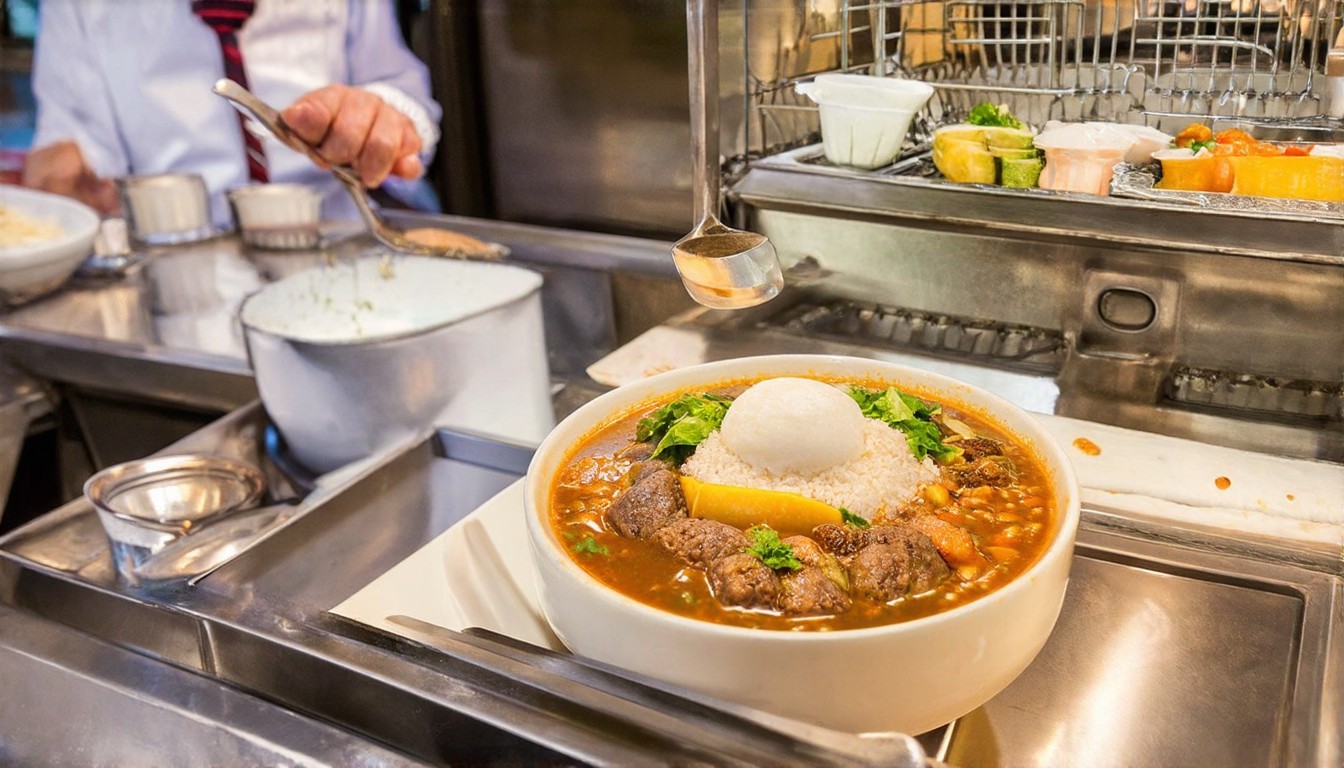
The EU's recipe for trade deals : easy on beef, tough on wine
Within weeks, the European Commission has wrapped up deals with Mercosur, India and Australia. Yet despite the backlash over the Latin America agreement, Brussels is sticking to a familiar playbook: offensive on wine and cars, defensive on beef.
The European Union's recent flurry of trade deals with Mercosur, India, and Australia has raised eyebrows and concerns, particularly in light of the contentious agreement with Latin American countries. Despite facing criticism over the Mercosur deal, the European Commission remains committed to its established strategy in negotiating trade agreements, which involves being aggressive on certain sectors while protecting others. This approach, often referred to as the "EU recipe for trade deals," has been a consistent feature of the bloc's trade policy for years.
One of the most notable aspects of this strategy is the EU's offensive stance on wine and cars. Wine, a significant product for many European countries, has long been a focal point in trade negotiations. The EU has historically sought to secure favorable terms for its wine producers, often pushing for lower tariffs or quotas in partner countries. This has been particularly evident in recent agreements, where the EU has worked to ensure that its wine industry remains competitive on the global stage. Similarly, the automotive sector has been a priority for the EU, with the bloc striving to maintain its strong position in the global market. Trade deals are seen as a way to secure access to new markets for European car manufacturers, allowing them to expand their reach and compete effectively with global rivals.
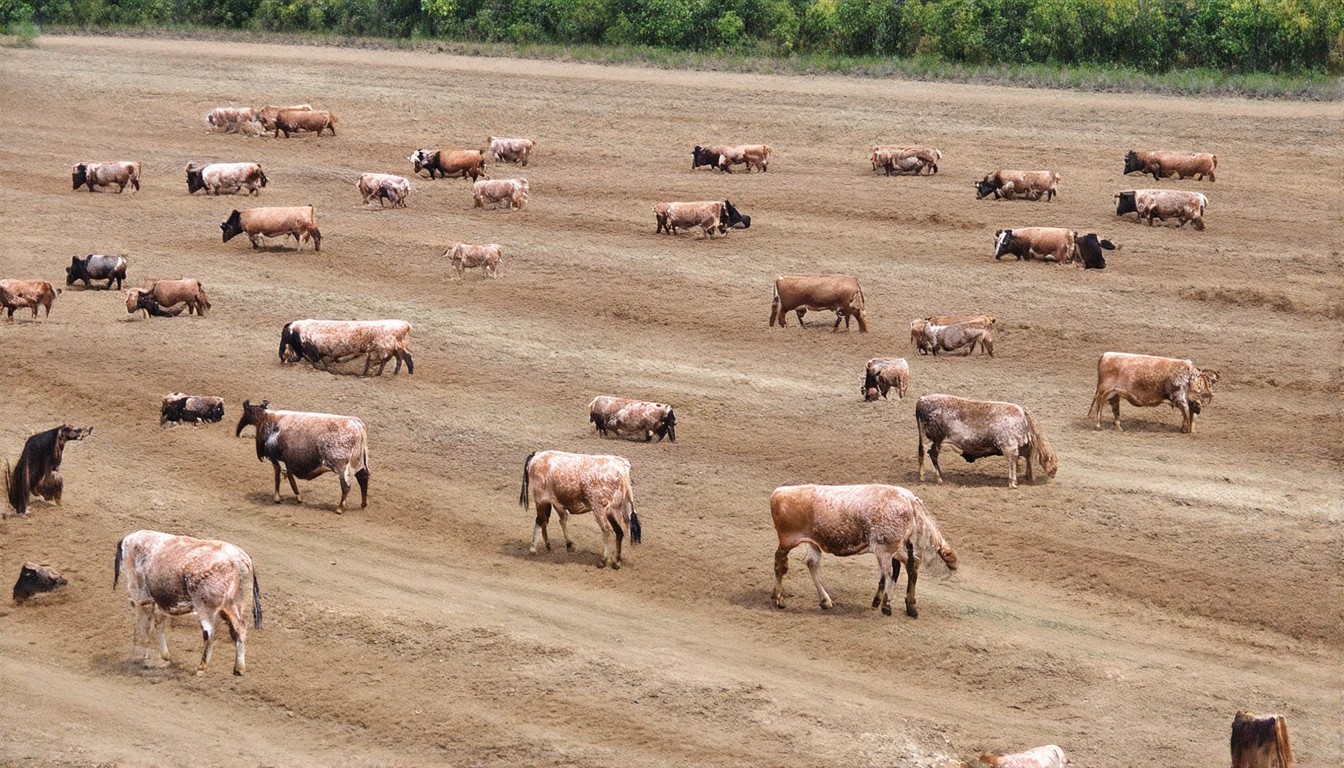
However, the EU's approach to beef has been markedly different. The bloc has consistently taken a defensive stance, prioritizing the protection of its domestic beef producers. This has been a point of contention in negotiations, particularly with countries that have significant beef industries, such as those in Mercosur. The EU has often resisted pressure to open up its markets to beef imports, citing concerns about food safety, environmental standards, and the welfare of animals. This protectionist approach has been a key factor in the backlash surrounding the Mercosur deal, as critics argue that it undermines the balance of the agreement and benefits European farmers at the expense of those in Latin America.
The recent wave of trade deals highlights the EU's determination to stick to its familiar playbook, even in the face of criticism. By focusing on sectors like wine and cars, the EU aims to bolster its economic interests and maintain its competitive edge. However, the defensive stance on beef reflects a broader concern for domestic industries and the need to safeguard European standards. This approach, while effective in certain areas, also underscores the challenges the EU faces in balancing its trade interests with those of its partners.
As the EU continues to negotiate trade deals, the "recipe" for these agreements will likely remain a contentious issue. Critics argue that the bloc's strategy is outdated and fails to address the evolving global economy, while supporters contend that it is necessary to protect European interests. The recent agreements with Mercosur, India, and Australia will be closely watched to determine whether the EU's approach can successfully navigate the complexities of modern trade relations.
In conclusion, the European Union's trade deal strategy—aggressive on wine and cars, defensive on beef—continues to shape its international economic engagements. While this approach has been a consistent feature of EU policy, it has also sparked debate and criticism. As the bloc looks to expand its trade relationships, the question of whether this strategy can adapt to the changing global landscape remains unanswered. The recent agreements will serve as a test case, highlighting the challenges and opportunities that lie ahead for the EU in its quest to balance economic growth with the protection of its domestic industries.