
The Energy Transition Has Its Own Strait of Hormuz
The clean-energy transition is often framed as a way to escape the strategic chokepoints and maritime vulnerabilities that have long defined the fossil-fuel industry. But a system built on renewables introduces new risks, as critical bottlenecks shift to refining, processing, and mineral-supply chains.
The Energy Transition Has Its Own Strait of Hormuz
The global shift towards clean energy, driven by the need to combat climate change and reduce reliance on fossil fuels, has long been portrayed as a pathway to greater energy security and independence from strategic chokepoints like the Strait of Hormuz. However, as the world accelerates its transition to renewables, it is becoming increasingly clear that new risks and vulnerabilities are emerging, particularly in the refining, processing, and mineral-supply chains that underpin the renewable energy sector.
The Strait of Hormuz, a narrow waterway between the Persian Gulf and the Gulf of Oman, has long been a critical chokepoint for global oil production. Controlling this strategic route has been a matter of geopolitical tension, with nations and companies vying for influence over the flow of crude oil. The clean-energy transition was initially seen as a way to bypass such vulnerable points, as renewable energy sources like solar and wind do not rely on the same geopolitically sensitive supply chains.
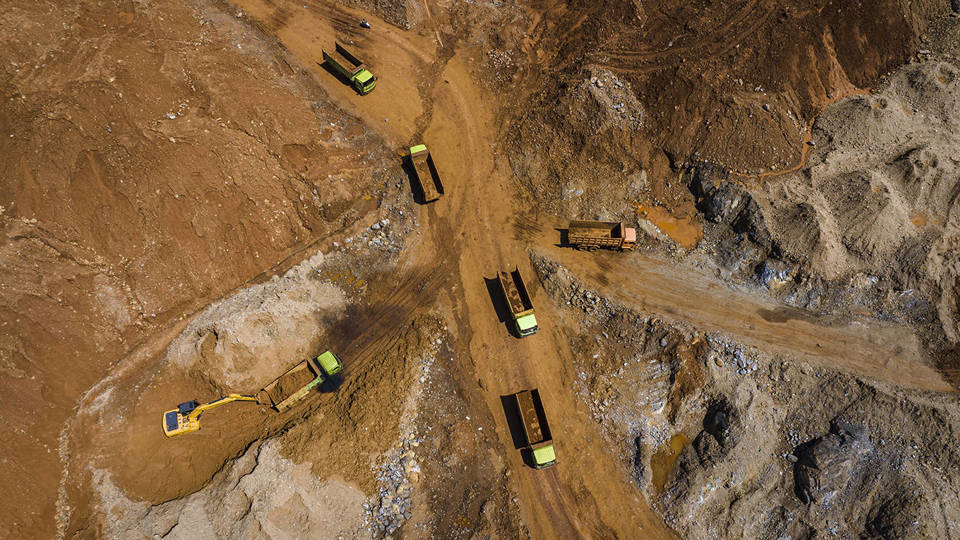
But as the world increasingly turns to renewables, new bottlenecks are emerging. The production and deployment of renewable energy technologies depend heavily on rare and critical minerals, such as lithium, cobalt, and nickel, which are essential for batteries and other components. These minerals are often extracted in regions that are politically unstable or economically underdeveloped, creating new risks for the global energy transition.
For instance, the Democratic Republic of Congo (DRC) is the world's largest producer of cobalt, a key component in lithium-ion batteries. The DRC's cobalt mines are notoriously dangerous and exploitative, with many workers facing hazardous conditions and child labor. This reliance on volatile regions raises concerns about the sustainability and ethical implications of the clean-energy transition.
Similarly, lithium, another critical mineral for batteries, is heavily concentrated in a few countries, including Chile, Australia, and China. These nations have been accused of hoarding lithium reserves, raising prices and limiting global supply. This concentration of supply creates a new kind of geopolitical vulnerability, as nations dependent on these minerals become vulnerable to price fluctuations and supply disruptions.
The processing and refining of these minerals also present significant challenges. The production of solar panels and wind turbines requires sophisticated manufacturing capabilities, which are often concentrated in a few countries. For example, China dominates the production of solar panels, accounting for over 70% of global output. This concentration of manufacturing power raises concerns about supply chain disruptions and the potential for geopolitical tensions to emerge over control of these technologies.
Moreover, the recycling and end-of-life management of renewable energy components pose new environmental and logistical challenges. As the global fleet of electric vehicles and renewable energy systems grows, the need for recycling and disposal of batteries and solar panels becomes increasingly urgent. However, the infrastructure for responsible recycling and disposal is still in its early stages, leading to potential environmental contamination and waste management issues.
The emergence of these new bottlenecks highlights the complexities of the energy transition. While the move towards renewables offers the promise of reduced reliance on fossil fuels and lower carbon emissions, it also introduces new risks and challenges. The global community must address these issues proactively to ensure a sustainable and equitable energy transition.
This includes investing in research and development to find alternative materials and improve recycling technologies, as well as promoting more diversified supply chains to reduce geopolitical risks. Additionally, international cooperation is essential to ensure that the benefits of the energy transition are shared equitably, particularly for those nations and communities that are most vulnerable to the impacts of climate change and resource extraction.
In conclusion, the energy transition is not without its own set of strategic chokepoints and vulnerabilities. As the world shifts towards renewables, it must be mindful of the new risks that emerge in the refining, processing, and mineral-supply chains. By addressing these challenges head-on and fostering global cooperation, the world can ensure that the transition to clean energy is both sustainable and equitable, paving the way for a more resilient and secure energy future.








