
The Energy Transition Has Its Own Strait of Hormuz
The clean-energy transition is often framed as a way to escape the strategic chokepoints and maritime vulnerabilities that have long defined the fossil-fuel industry. But a system built on renewables introduces new risks, as critical bottlenecks shift to refining, processing, and mineral-supply chains.
The Energy Transition Has Its Own Strait of Hormuz
The global shift towards clean energy, driven by the need to combat climate change and reduce reliance on fossil fuels, has long been portrayed as a path to greater energy security. By moving away from oil and gas, which are often tied to geopolitically volatile regions like the Strait of Hormuz, the world has hoped to avoid the strategic chokepoints and maritime vulnerabilities that have long defined the fossil-fuel industry. However, as the energy transition progresses, it is becoming increasingly clear that renewables are not entirely free from such risks. In fact, the critical bottlenecks of the energy sector are shifting to refining, processing, and mineral-supply chains, creating new vulnerabilities that must be carefully managed.
The Strait of Hormuz, a narrow waterway between the Persian Gulf and the Gulf of Oman, is a well-known chokepoint for global oil supply. Its strategic importance stems from the fact that about 30% of the world's oil production passes through it, making it a focal point for geopolitical tensions and a potential flashpoint for disruptions in global energy markets. As countries around the world look to reduce their dependence on oil and gas, the energy transition has been heralded as a way to avoid such vulnerabilities. Yet, the transition to renewables has introduced new challenges, as the focus shifts to the supply chains required to support the production and deployment of clean energy technologies.
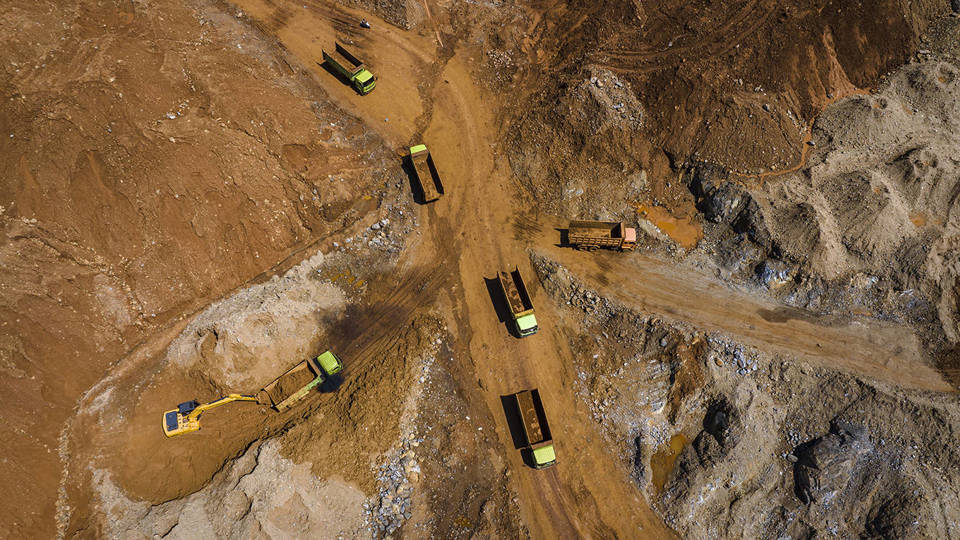
One of the most significant challenges facing the energy transition is the reliance on rare and critical minerals. Many renewable energy technologies, such as solar panels, wind turbines, and electric vehicles, depend on materials like lithium, cobalt, and rare earth metals. These minerals are often concentrated in specific regions, leading to a situation where supply chains become vulnerable to geopolitical instability, trade restrictions, and environmental concerns. For instance, the Democratic Republic of Congo is a major producer of cobalt, which is essential for batteries in electric vehicles. Conflicts in the region have disrupted supply, highlighting the risks associated with over-reliance on a few key suppliers.
Another critical bottleneck in the energy transition is the refining and processing of these materials. The production of renewable energy technologies requires significant refining and processing capabilities, which are often concentrated in a limited number of countries. This concentration can lead to vulnerabilities, as disruptions in these processes can halt the supply of critical components. For example, China has been a dominant player in the production of solar panels and wind turbines, relying on its vast manufacturing capabilities and low labor costs. However, geopolitical tensions and trade disputes could potentially disrupt these supply chains, leading to shortages and increased costs for other countries.
In addition to mineral supply chains and processing capabilities, the energy transition also faces challenges related to infrastructure development and energy storage. The transition to renewables requires substantial investments in grid infrastructure, energy storage solutions, and charging networks for electric vehicles. These investments are not evenly distributed across the globe, with many developing countries lagging behind in terms of the necessary infrastructure. This disparity can create imbalances in the global energy market, as some regions struggle to integrate renewable energy sources effectively.
Moreover, the energy transition is not without environmental impacts. The extraction, refining, and processing of critical minerals can have significant environmental consequences, including deforestation, water pollution, and habitat destruction. These impacts can lead to local opposition and regulatory pressures, further complicating the transition process.
Despite these challenges, the energy transition remains a crucial step towards a more sustainable and resilient global energy system. To address the new risks and bottlenecks, policymakers and industry leaders must work together to diversify supply chains, invest in domestic production capabilities, and promote international cooperation. This will involve fostering innovation, investing in research and development, and ensuring that the benefits of the energy transition are shared equitably across all nations.
In conclusion, the energy transition offers the promise of a cleaner, more sustainable energy future, but it also introduces new risks and challenges. As the world moves away from fossil fuels, it must be mindful of the critical bottlenecks that emerge in renewable energy supply chains, refining processes, and mineral extraction. By addressing these challenges proactively, the global community can ensure that the transition to clean energy is both successful and equitable, paving the way for a more secure and sustainable future for all.








