
The Energy Transition Has Its Own Strait of Hormuz
The clean-energy transition is often framed as a way to escape the strategic chokepoints and maritime vulnerabilities that have long defined the fossil-fuel industry. But a system built on renewables introduces new risks, as critical bottlenecks shift to refining, processing, and mineral-supply chains.
The Energy Transition Has Its Own Strait of Hormuz
The global shift towards clean energy is often portrayed as a pathway to freedom from geopolitical tensions and maritime vulnerabilities that have long plagued the fossil fuel industry. However, as the world moves towards renewables, new risks are emerging, with critical bottlenecks shifting from oil and gas to refining, processing, and mineral-supply chains. This transition is revealing that the Strait of Hormuz, a strategic chokepoint for oil, is not the only vulnerability in the energy landscape; the clean-energy sector is developing its own set of challenges.
The Strait of Hormuz, a narrow waterway between Iran and Oman, is a well-known flashpoint in global energy politics. It accounts for about 30% of global oil shipments, and its control has long been a matter of strategic concern for nations relying on Middle Eastern oil. The energy transition was expected to alleviate such tensions by reducing dependence on oil and gas. Yet, the reality is more complex.
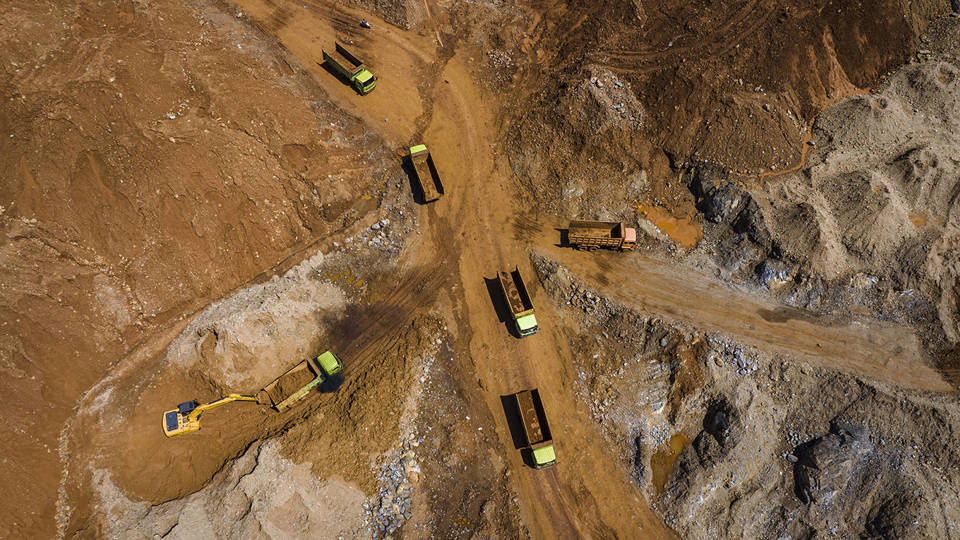
Renewable energy systems, particularly those relying on batteries and solar panels, depend heavily on rare and critical minerals. Lithium, cobalt, nickel, and other materials are essential for batteries, while rare earth metals are crucial for wind turbines and solar panels. These minerals are not evenly distributed across the globe, and many of the largest deposits are concentrated in specific regions, often controlled by a limited number of countries.
China, for instance, dominates the production of rare earth metals, accounting for over 90% of global supply. Similarly, the Democratic Republic of Congo is a key source of cobalt, a component vital for lithium-ion batteries. This concentration of supply creates new vulnerabilities. If disruptions occur in these regions—due to geopolitical tensions, natural disasters, or other factors—the global supply chain for clean energy technologies could be severely impacted.
Moreover, the refining and processing of these minerals into usable components for renewable energy systems also pose significant challenges. The extraction and refining of lithium, for example, can have severe environmental impacts, and the process often involves countries with lax environmental regulations. This raises concerns about the sustainability of the clean energy transition if these practices continue unchecked.
The reliance on specific regions for critical minerals also introduces geopolitical risks. As countries around the world accelerate their transition to renewables, competition for these resources could intensify. This could lead to increased tensions, particularly in regions where these minerals are concentrated. The geopolitical dynamics of the fossil fuel industry are thus being mirrored in the clean energy sector, albeit with different players and stakes.
The energy transition is not only about replacing one type of fuel with another but also about rethinking the entire supply chain. It requires a global effort to ensure the sustainable extraction, processing, and distribution of critical minerals. This includes investing in recycling technologies, developing alternative sources of these materials, and fostering international cooperation to manage these resources responsibly.
In conclusion, the energy transition, while offering a pathway to reduce reliance on fossil fuels, is introducing new challenges. The Strait of Hormuz, once the symbol of geopolitical vulnerability in the oil industry, is now being mirrored in the clean energy sector through the concentration of critical mineral supplies. Addressing these new risks will be crucial for the success of the global energy transition and ensuring a sustainable future.









