
The Energy Transition Has Its Own Strait of Hormuz
The clean-energy transition is often framed as a way to escape the strategic chokepoints and maritime vulnerabilities that have long defined the fossil-fuel industry. But a system built on renewables introduces new risks, as critical bottlenecks shift to refining, processing, and mineral-supply chains.
The Energy Transition Has Its Own Strait of Hormuz
The shift towards clean energy is often portrayed as a pathway to freedom from the geopolitical tensions and maritime vulnerabilities that have long plagued the fossil fuel industry. However, as the world moves towards renewables, new risks are emerging, with critical bottlenecks shifting from oil and gas supply chains to refining, processing, and mineral-supply chains. This transition is revealing that the Strait of Hormuz, a strategic chokepoint for oil, is not the only vulnerability in the energy landscape; the clean-energy sector is developing its own set of challenges.
The Strait of Hormuz, a narrow waterway between Iran and Oman, is a well-known flashpoint in global energy politics. It accounts for about 30% of global oil shipments, and its control is a matter of strategic concern for many nations. The energy transition was expected to alleviate such geopolitical pressures by reducing reliance on oil and gas. Yet, the reality is more complex.
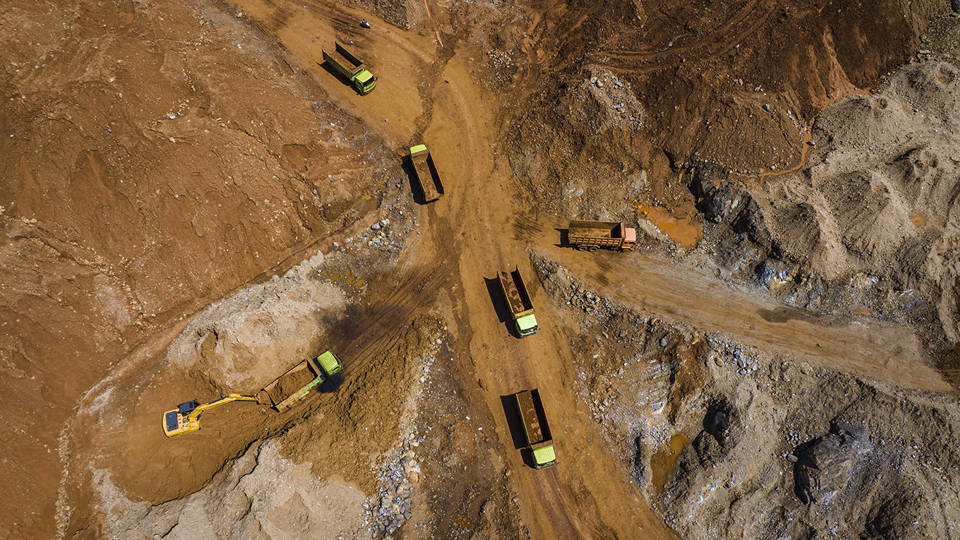
Renewable energy systems, particularly those relying on batteries and solar panels, depend heavily on rare and critical minerals. Lithium, cobalt, nickel, and other materials are essential for battery production, while rare earth metals like neodymium and dysprosium are crucial for wind turbines and electric motors. These materials are not evenly distributed across the globe, with many key reserves concentrated in specific regions.
China, for instance, dominates the supply of rare earth metals, accounting for over 90% of global production. Similarly, the Democratic Republic of Congo is a major source of cobalt, while Australia and Chile are significant producers of lithium. This concentration of resources in specific countries creates new strategic vulnerabilities. If a disruption occurs in mining or supply chains, it could halt the production of renewable energy technologies, stalling the very transition it is meant to support.
Moreover, the refining and processing of these materials also pose significant challenges. The extraction and refining of lithium, for example, can have severe environmental impacts, including water pollution and land degradation. The production of batteries also generates significant waste, with concerns about the disposal of toxic materials like cadmium and mercury.
The reliance on specific regions for critical minerals also raises geopolitical tensions. Countries that control these resources are in a powerful position, able to influence global energy policies. This dynamic is not new, but the energy transition has brought it into sharper focus. The competition for access to these materials could lead to increased tensions between nations, potentially mirroring the geopolitical rivalries that have long characterized the oil market.
In addition to geopolitical risks, there are also logistical challenges. The global supply chains for these materials are complex and interconnected, with multiple points of potential disruption. Natural disasters, political instability, and trade restrictions can all impact the availability of these critical resources.
The energy transition is thus not merely a technological shift but also a geopolitical one. While it aims to reduce dependence on fossil fuels, it introduces new complexities and vulnerabilities. The Strait of Hormuz, once the symbol of oil dependency, is being replaced by a new set of chokepoints in the renewable energy supply chain.
To address these challenges, policymakers and industry leaders are exploring various strategies. This includes diversifying supply chains to reduce reliance on single sources, investing in recycling and recycling technologies to extend the life of batteries, and promoting the development of alternative materials. There is also a growing focus on domestic production of critical minerals, as countries seek to secure their energy independence.
The energy transition is a complex process, and the challenges it presents are multifaceted. While the move towards renewables offers the promise of a cleaner, more sustainable energy future, it also highlights the need for careful planning and strategic foresight. The Strait of Hormuz may no longer be the only chokepoint in the global energy landscape, but the energy transition is creating its own set of vulnerabilities that must be addressed to ensure its success.








