
The Energy Transition Has Its Own Strait of Hormuz
The clean-energy transition is often framed as a way to escape the strategic chokepoints and maritime vulnerabilities that have long defined the fossil-fuel industry. But a system built on renewables introduces new risks, as critical bottlenecks shift to refining, processing, and mineral-supply chains.
The Energy Transition Has Its Own Strait of Hormuz
The global shift towards clean energy, driven by the need to combat climate change and reduce dependence on fossil fuels, has long been portrayed as a path to greater energy security and independence from geopolitically volatile regions. However, as the world accelerates its transition to renewables, a new set of challenges is emerging, with critical bottlenecks shifting from traditional oil chokepoints to the refining, processing, and mineral-supply chains that underpin the renewable energy sector.
One of the most significant examples of this shift is the Strait of Hormuz, a narrow waterway in the Persian Gulf that has long been a flashpoint for global energy security. Controlled by Iran, this strategically vital chokepoint is through which approximately 30% of global oil production passes, making it a focal point for geopolitical tensions and a primary concern for nations reliant on Middle Eastern oil. As the world pivots towards renewables, however, a new "Strait of Hormuz" is taking shape, this time centered around the supply of critical minerals and the infrastructure needed to support the growing renewable energy sector.
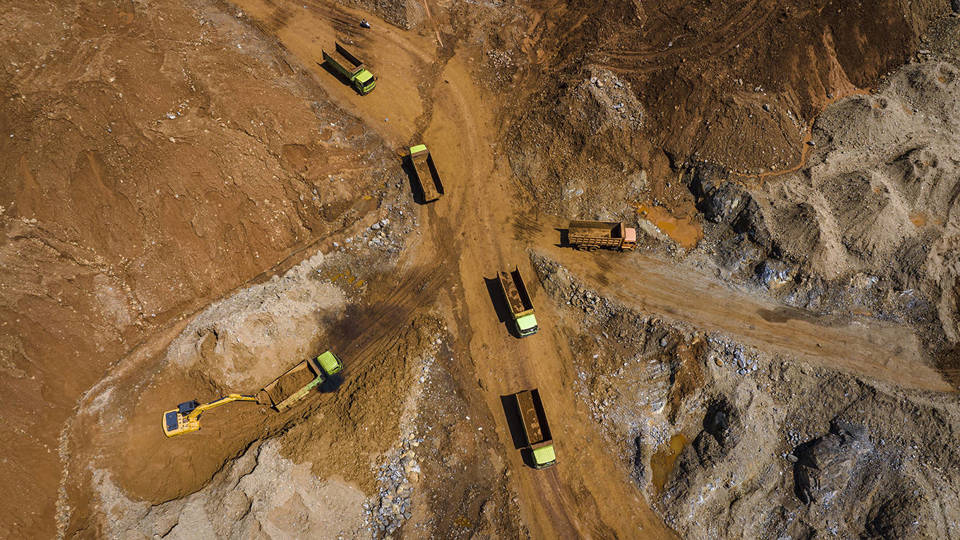
The transition to renewables relies heavily on a range of minerals, including lithium, cobalt, and rare earth metals, which are essential for the production of batteries, solar panels, and wind turbines. Many of these minerals are concentrated in specific regions, often with complex political and economic landscapes. For instance, the Democratic Republic of Congo (DRC) is responsible for around 60% of global cobalt production, while China dominates the supply of rare earth metals. This concentration of supply, combined with the global demand for these materials, has created a new set of vulnerabilities that mirror those of the fossil-fuel-dependent world.
Moreover, the processing and refining of these minerals into usable components for renewable energy systems also presents significant challenges. Many of these processes are energy-intensive and often involve hazardous materials, raising concerns about environmental sustainability and worker safety. Additionally, the infrastructure required to support the global renewable energy transition—such as manufacturing facilities, recycling plants, and distribution networks—is not yet fully developed, creating bottlenecks that can hinder progress.
The geopolitical implications of this new energy landscape are profound. Nations that control key mineral resources are poised to exert significant influence over the global energy transition, potentially leading to new forms of economic and political competition. For example, the European Union has been working to reduce its reliance on Chinese-supplied rare earth metals by investing in domestic production and exploring alternative sources, highlighting the strategic importance of these materials.
Furthermore, the transition to renewables has also brought renewed attention to the issue of resource scarcity and environmental degradation. The extraction and processing of critical minerals often involve destructive practices that harm local ecosystems and communities. As the demand for these materials surges, there is a growing recognition of the need for more sustainable and ethical sourcing practices to ensure the transition is both environmentally responsible and socially equitable.
In response to these challenges, international efforts are underway to address the complexities of the clean-energy transition. Initiatives such as the European Union's Industrial Strategy for the Green Deal aim to strengthen Europe's position in the renewable energy supply chain, from research and development to manufacturing and recycling. Similarly, the United States has invested in domestic production of critical minerals, such as lithium and nickel, to reduce reliance on foreign suppliers.
Despite these efforts, the path to a fully sustainable and resilient energy system is fraught with obstacles. The clean-energy transition will require not only technological innovation but also careful management of global supply chains, strategic partnerships, and a commitment to ethical sourcing practices. As the world navigates this new energy landscape, the lessons learned from the fossil-fuel-dependent era—particularly those related to geopolitical vulnerabilities and resource management—will be crucial in shaping a more secure and sustainable future.
In conclusion, the energy transition presents a unique set of challenges that extend beyond the familiar geopolitical tensions of the fossil-fuel era. As the world moves towards renewables, the need to secure access to critical minerals, manage complex supply chains, and ensure sustainable practices becomes paramount. The "Strait of Hormuz" of the clean-energy age underscores the importance of strategic foresight and collaboration in achieving a resilient and equitable energy future.









