The economic consequences of the Iran war
The U.S. is likely to get off easy, while others will bear the brunt.
The economic consequences of the Iran war have reverberated across the globe, with the United States emerging relatively unscathed while other nations bear the brunt of the disruptions. As the post-World War II global order comes to an end, every great power now operates as a rogue state, with Russia attempting to reestablish its former empire, China menacing its neighbors, and the United States under Donald Trump leading the charge in chaos and unpredictability. The recent escalation with Iran has resulted in a global energy crisis, highlighting the far-reaching impacts of the conflict.
Militarily, the U.S. has achieved significant victories in the Iran war, destroying missile launchers, killing key leadership, and securing air supremacy with minimal losses. However, Iran has executed a strategic move that most, except for Trump and his administration, anticipated. By closing the Strait of Hormuz, through which approximately 20-25% of global oil and liquefied natural gas (LNG) flows, Iran has caused a supply chain disruption that has sent oil prices soaring.
The Strait of Hormuz has become a flashpoint, with Iranian forces attacking and damaging a large number of ships, leading to ships avoiding the strait. Demand for oil and LNG is inelastic, meaning that a reduction in supply results in a dramatic increase in price. Oil prices have spiked to unprecedented levels, potentially marking the biggest disruption in history. As long as the conflict continues, the strain on global energy markets will persist.
Natural gas prices in Asia, which heavily relies on LNG imports, have also surged due to the strait closure and Iran's attacks on Qatar's LNG infrastructure. This has led to fuel shortages in many parts of the world, with Asia, a major consumer of the oil and gas passing through the Strait of Hormuz, feeling the brunt of the disruptions.
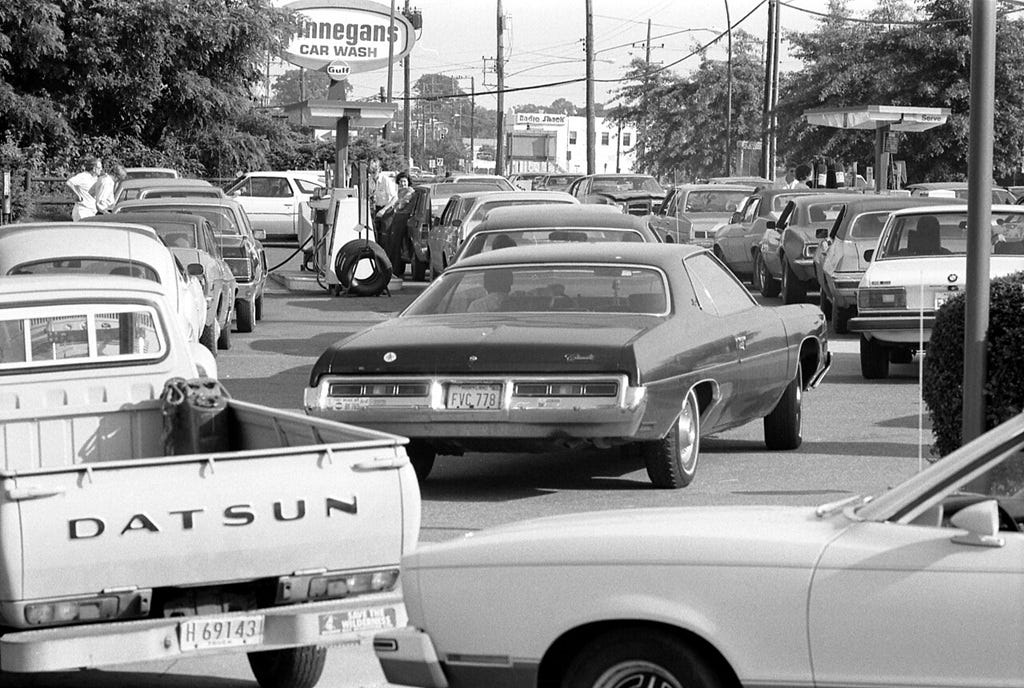
In the United States, gasoline prices have risen to around $4 per gallon, a level not seen since the start of the Ukraine war. While Americans face higher fuel costs, they are relatively fortunate compared to other regions experiencing severe fuel shortages. The economic fallout from the Iran war is not limited to energy prices; it has broader implications for global trade, inflation, and economic stability.
The U.S. economy, bolstered by its diverse energy sources and significant domestic production, is expected to withstand the oil price hikes better than other nations. However, countries heavily dependent on imported oil and gas are likely to experience significant economic strain, with inflationary pressures and reduced economic growth.
The escalation with Iran has underscored the fragility of the global energy supply chain and the need for diversification. Nations must reassess their energy strategies to reduce reliance on volatile regions and ensure long-term energy security. The economic consequences of the Iran war serve as a stark reminder of the interconnectedness of global economies and the potential for geopolitical conflicts to have far-reaching impacts on the world's financial stability.
As the conflict continues, the international community must navigate the complexities of the situation, balancing geopolitical interests with economic realities. The economic fallout from the Iran war will be felt for years to come, with nations scrambling to adapt to the new energy landscape and the shifting dynamics of global power. The stakes are high, and the consequences of the conflict will shape the economic trajectory of the world for years to come.