
The drone swarm is coming, and NATO air defenses are too expensive to cope
Ukraine's battlefield lessons show quantity and affordability now trump exquisite hardware NATO is unprepared to deal with attacks by cheap, mass-produced drones and urgently needs layered, affordable air defense systems to counter the threat, taking a cue from the experience gained by Ukrainian forces over the past four years.…
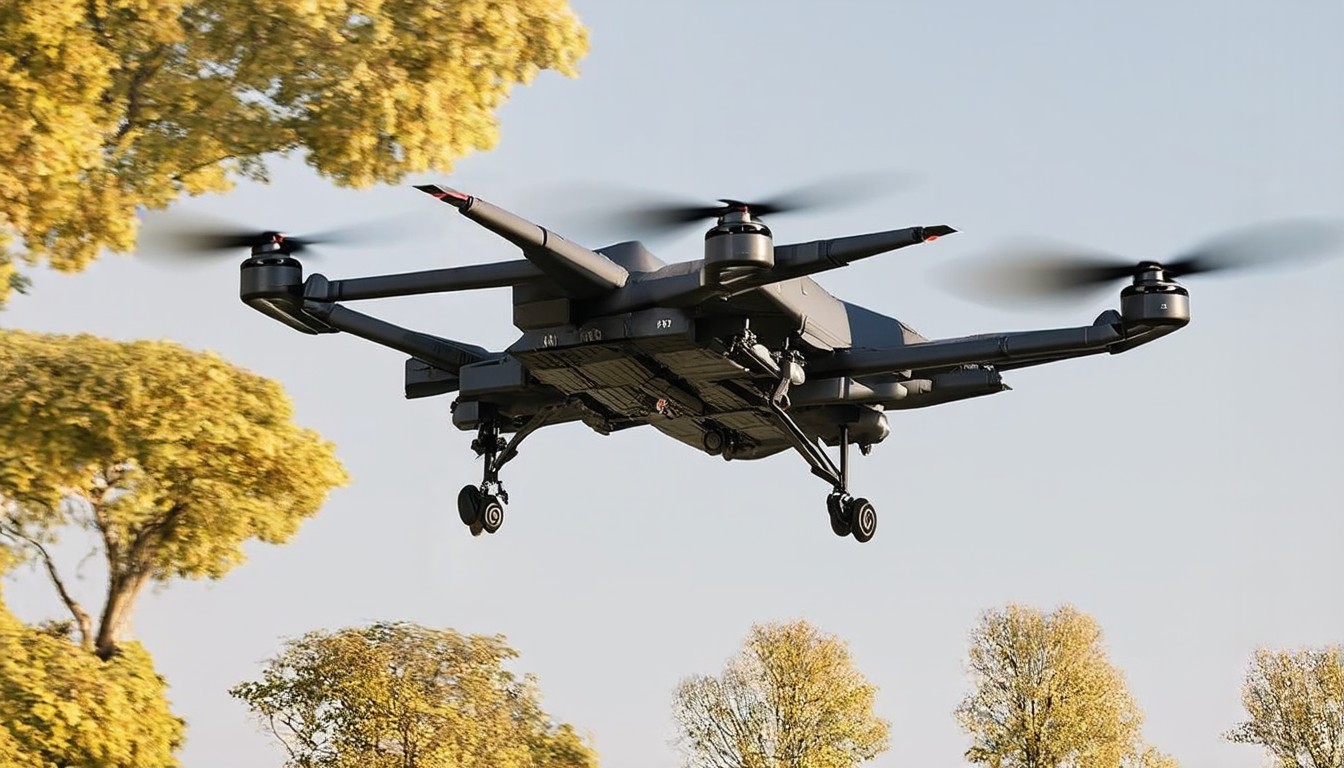
In recent years, the battlefield dynamics have shifted dramatically, with the rise of drone swarms posing a significant threat to traditional military strategies. NATO, long reliant on advanced and expensive air defense systems, is now facing a daunting challenge as Ukraine's experience on the front lines highlights the importance of quantity and affordability in modern warfare. The lessons learned by Ukrainian forces over the past four years underscore the urgent need for NATO to adapt its defenses, focusing on layered, cost-effective solutions to counter the growing threat of cheap, mass-produced drones.
The Ukrainian-Russian conflict has served as a crucible for testing new military technologies, including drone swarms. These drones, often inexpensive and easy to produce, can overwhelm traditional air defense systems by sheer numbers. Unlike single, high-cost targets, drone swarms exploit the limitations of existing defenses, which are designed to handle a smaller number of sophisticated threats. Ukrainian forces have had to innovate, adopting a combination of affordable and adaptable systems to counter these swarms.
One of the key lessons from Ukraine is the effectiveness of layered defense strategies. Traditional air defense systems, such as expensive missile batteries and radar-guided weapons, are often insufficient against drone swarms. Instead, Ukrainian forces have found success by employing a multi-layered approach, combining inexpensive, easy-to-deploy systems with more advanced technologies. This includes the use of drone decoys, jamming equipment, and even simple, low-cost projectiles to disrupt the swarms.
NATO, which has historically prioritized high-tech, high-cost solutions, is now facing the reality of a drone-dominated battlefield. The organization's air defenses, designed to counter advanced threats, are proving inadequate against the sheer volume of cheap drones. This has raised concerns among military analysts and policymakers, who are urging a reevaluation of NATO's defense strategy to include more affordable, scalable systems.
The Ukrainian experience also highlights the importance of affordability in modern warfare. Traditional air defense systems, while effective against specific threats, are often prohibitively expensive for many nations to maintain. This has led to a situation where even NATO members may struggle to afford the latest high-tech solutions. In contrast, drone swarms can be produced in large numbers at a fraction of the cost, making them a more accessible and formidable threat.
To address this challenge, NATO is increasingly turning its attention to developing affordable air defense systems. These solutions may include the use of existing technologies, such as drone decoys and electronic warfare systems, as well as the exploration of new, cost-effective methods for detecting and neutralizing drone swarms. Additionally, there is a growing emphasis on collaboration and information sharing among NATO members, as well as with Ukraine, to accelerate the development and deployment of effective countermeasures.
The drone swarm threat is not limited to the Ukrainian battlefield; it represents a global challenge that requires a coordinated response. NATO's adaptation to this new reality is crucial, as the organization's air defenses must be resilient against a wide range of threats, including cheap, mass-produced drones. By learning from Ukraine's experience and prioritizing affordability and scalability, NATO can better prepare for the future of aerial warfare and ensure the security of its member states.
In conclusion, the rise of drone swarms has forced a reevaluation of NATO's air defense strategy. The Ukrainian experience has demonstrated that affordability and quantity can outpace the most advanced hardware. As drone technology continues to evolve, NATO must adapt its defenses to include layered, cost-effective solutions. This will require a shift in priorities, as well as collaboration and innovation among member states. Only by doing so can NATO effectively counter the growing threat of drone swarms and maintain its commitment to collective security.









