
The drone swarm is coming, and NATO air defenses are too expensive to cope
Ukraine's battlefield lessons show quantity and affordability now trump exquisite hardware NATO is unprepared to deal with attacks by cheap, mass-produced drones and urgently needs layered, affordable air defense systems to counter the threat, taking a cue from the experience gained by Ukrainian forces over the past four years.…
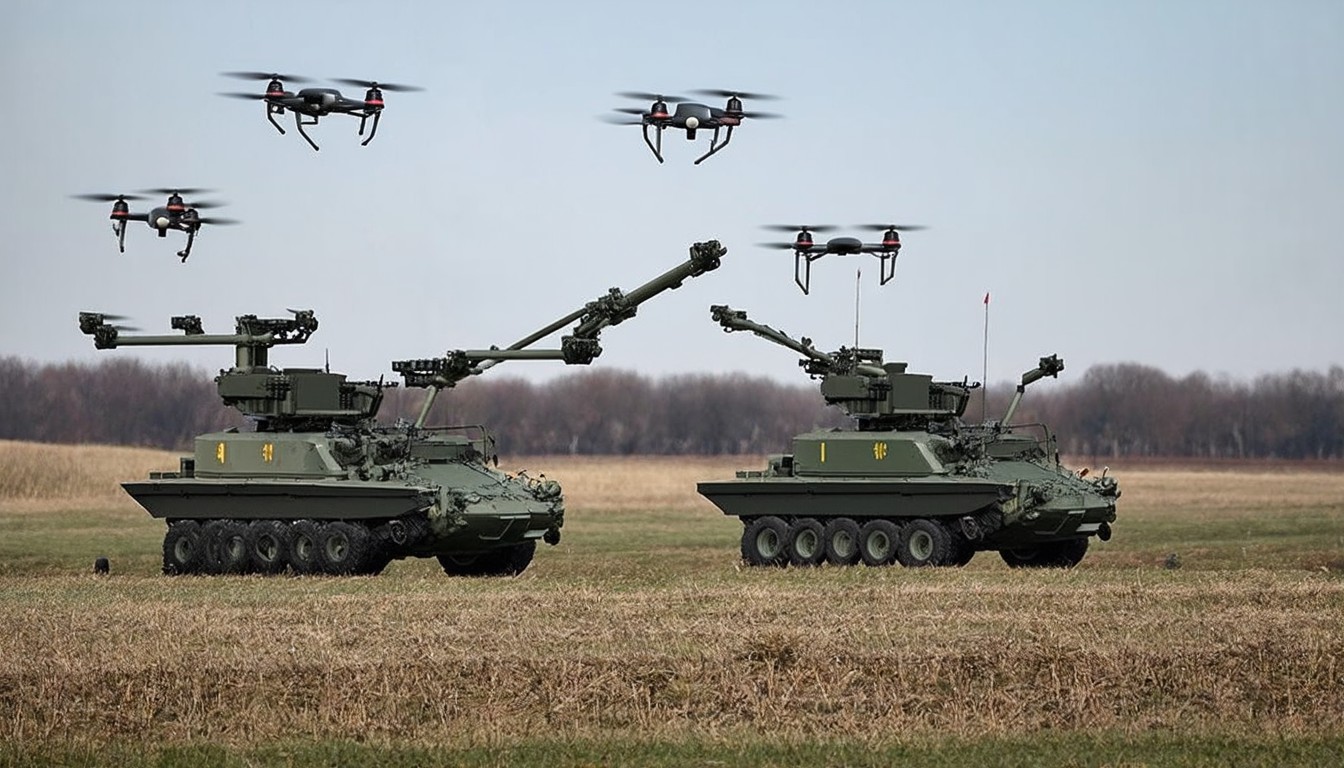
In recent years, the battlefield dynamics have shifted dramatically, with the rise of drone swarms posing a significant threat to traditional military strategies. NATO, long reliant on advanced and expensive air defense systems, is now facing a daunting challenge as Ukraine's experience on the front lines has demonstrated that quantity and affordability are becoming more critical than exquisite hardware. The alliance is urgently scrambling to adapt its defenses, drawing inspiration from the tactics and strategies employed by Ukrainian forces over the past four years.
The Ukrainian military's encounters with Russian forces have provided valuable insights into the effectiveness of drone swarms. Russian forces have increasingly relied on mass-produced, low-cost drones to overwhelm Ukrainian defenses. These drones, often equipped with simple explosives, are launched in large numbers, making it nearly impossible for Ukrainian forces to intercept them all. This approach has forced Ukrainian defenders to prioritize their limited resources, focusing on the most threatening swarms while leaving others unchecked.
Ukraine's response to this threat has been a combination of innovative tactics and the development of affordable, layered air defense systems. By deploying a network of inexpensive sensors and drones, Ukrainian forces have been able to detect and track incoming swarms more effectively. This has allowed them to allocate their limited resources more efficiently, targeting the most significant threats. Additionally, the Ukrainian military has invested in portable, affordable missile systems that can be quickly deployed to counter drone attacks.
NATO, however, has struggled to keep pace with these developments. The alliance's air defense systems, such as the Patriot and the THAAD, are highly effective but also extremely expensive and complex to operate. These systems are designed to counter advanced ballistic missiles and aircraft, not the swarms of cheap drones that are becoming a growing concern. Moreover, the high cost and complexity of these systems make it difficult for NATO to deploy them in sufficient numbers to create a robust, layered defense.
The Ukrainian experience has underscored the importance of affordability and adaptability in modern air defense. By prioritizing cost-effective solutions, Ukraine has been able to create a flexible and resilient defense network that can adapt to the ever-evolving threat landscape. NATO, on the other hand, must urgently reconsider its approach to air defense. The alliance needs to invest in more affordable, modular systems that can be rapidly deployed and scaled up as needed.
One potential solution for NATO is the development of a network of decentralized, affordable air defense systems. These could include portable missile launchers, drones for surveillance and targeting, and inexpensive sensors for early warning. By creating a layered defense system, NATO could ensure that even if some components fail or are overwhelmed, others will remain operational to counter the threat.
Another critical aspect is the need for improved intelligence-sharing and coordination among NATO members. The Ukrainian military has benefited from the support of international partners, including the provision of air defense systems and the sharing of intelligence on Russian activities. NATO must leverage its collective resources more effectively, ensuring that all member states have access to the latest information and can contribute to the defense of the alliance as a whole.
In conclusion, the drone swarm threat poses a significant challenge to NATO's air defenses. Ukraine's battlefield lessons have shown that affordability and quantity can outpace the most advanced hardware. The alliance must urgently adapt its strategies, drawing inspiration from Ukrainian tactics and investing in affordable, layered air defense systems. By doing so, NATO can better prepare for the evolving threat landscape and ensure the security of its member states in the years to come.









