
The DOJ Misled a Judge About How It’s Using Voter Roll Data
The acting head of the DOJ’s voting section told a judge last week that the agency had not touched the nonpublic voter roll data it has collected. That wasn’t true.
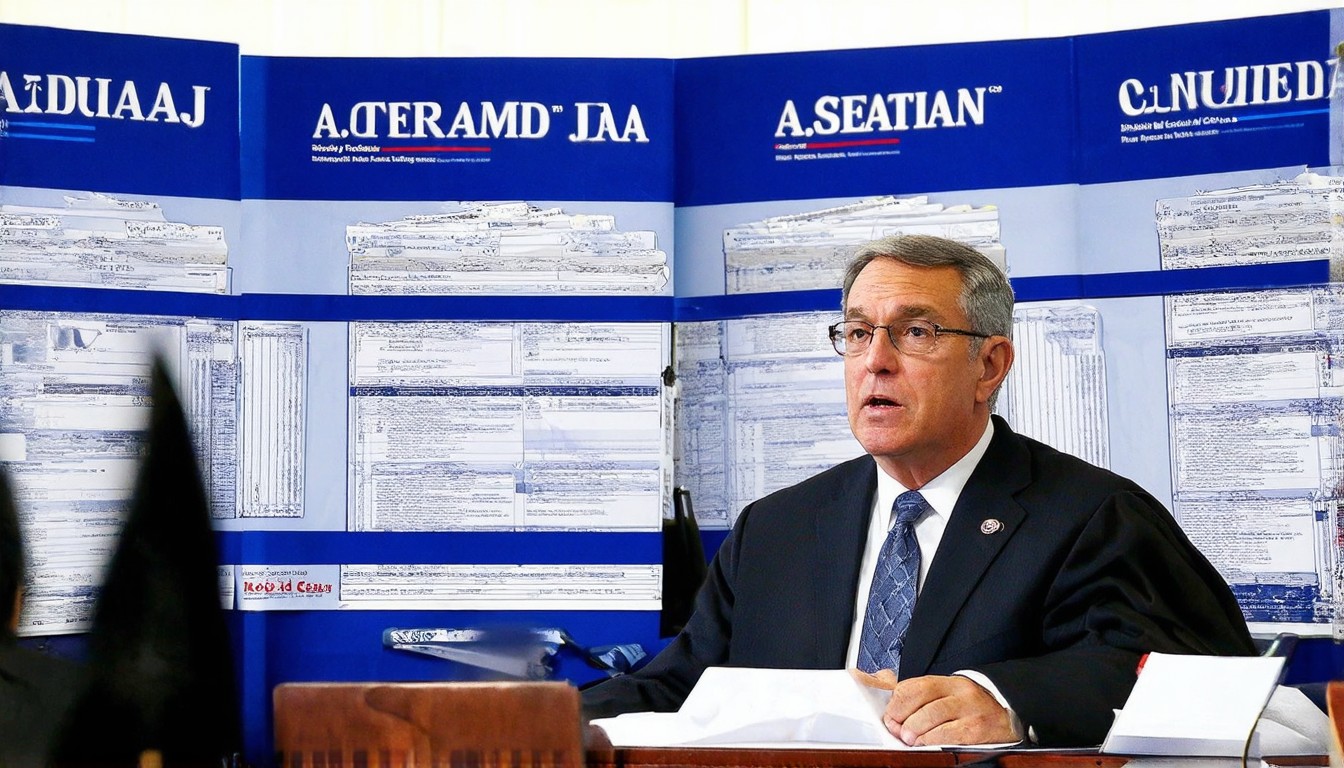
The Department of Justice (DOJ) has been accused of misleading a federal judge about its use of voter roll data. The revelation comes as the acting head of the DOJ’s voting section, Thomas J. O'Neill, claimed during a recent court hearing that the agency had not accessed nonpublic voter roll data it had collected. However, internal DOJ documents and subsequent statements from the department have revealed that this was not the case.
The controversy arose during a hearing in the United States District Court for the District of Columbia. The case, which involves a challenge to the DOJ’s voter data collection practices, was brought by several states and a voting rights group. The plaintiffs argue that the DOJ’s collection and analysis of voter roll data violate federal privacy laws and are part of a broader effort to undermine voting rights.
In his testimony, O'Neill asserted that the DOJ had not reviewed or used the nonpublic voter roll data. He emphasized that the department was only analyzing publicly available data to identify potential voter fraud cases. However, subsequent reports have highlighted inconsistencies in these claims.
In an internal DOJ email obtained by The Washington Post, an agency official admitted that the department had indeed accessed nonpublic voter roll data. The email, dated September 2023, revealed that the DOJ had obtained and analyzed data from state voter registration files, including information such as voter addresses and registration dates. This directly contradicts O'Neill's earlier statement to the court.
The DOJ has since issued a statement acknowledging the discrepancy. The department claimed that O'Neill’s testimony was based on an incomplete understanding of the agency’s activities and that he was not fully informed about the extent of the data collection and analysis. The DOJ has promised to provide a more accurate account of its actions to the court.
This development has raised serious questions about the DOJ’s transparency and integrity in handling sensitive voter data. Critics argue that the agency’s actions are part of a larger effort to discredit voting methods, such as mail-in and early voting, that tend to favor Democratic candidates. They also question whether the DOJ’s use of voter roll data is being used to target marginalized communities for investigations, further exacerbating voter suppression concerns.
In response to the allegations, the DOJ has stated that its data collection is necessary to combat voter fraud, which it claims is on the rise. The department has emphasized that its efforts are focused on ensuring the integrity of the electoral process. However, critics contend that the DOJ’s actions are politicized and serve to undermine public trust in the voting system.
The case is expected to continue, with both sides presenting their arguments and evidence in court. The judge presiding over the matter will likely need to weigh the DOJ’s claims of necessity against the concerns about privacy and potential voter suppression. The outcome of this case could have significant implications for the handling of voter data by federal agencies and the broader debate over voting rights in the United States.
As the story unfolds, it is clear that the DOJ’s handling of voter roll data has become a contentious issue, with both sides presenting compelling arguments. The misleading statement to the court has further complicated the situation, raising questions about the agency’s accountability and the motivations behind its actions. The resolution of this case will likely shed light on the complex interplay between voter rights, privacy, and the DOJ’s role in overseeing elections.









