
The decline and fall of the Roman currency empire
The fate of ancient coins offers uncomfortable lessons about dollar dominance
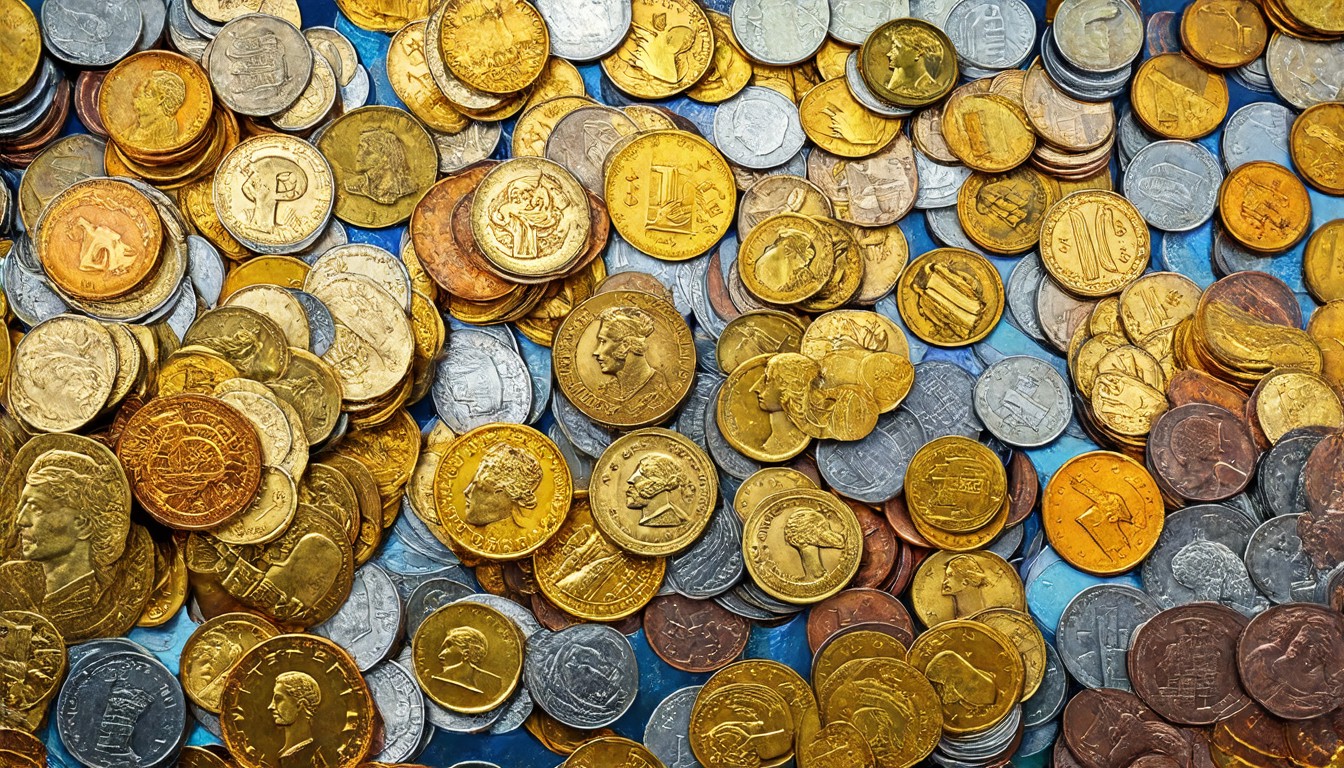
The decline and fall of the Roman currency empire is a cautionary tale that echoes through the centuries, offering uncomfortable lessons about the fragility of economic dominance. Ancient coins, once symbols of a mighty civilization, now serve as a stark reminder of how even the most powerful empires can be undermined by monetary instability.
The Roman Empire, at its zenith, was a financial powerhouse. Its currency, the denarius, was widely accepted across the Mediterranean and beyond. This stability was crucial for trade, taxation, and the empire's ability to sustain its vast military. However, over time, the Roman currency faced several challenges that would ultimately lead to its downfall.
One of the primary issues was inflation. As the empire expanded, Rome needed more money to fund its military campaigns and administrative costs. To meet this demand, the Romans began devaluing their currency by reducing the silver content in coins. This practice, known as "debasement," allowed them to produce more coins with less precious metal. While this might have seemed like a short-term solution, it had disastrous long-term effects.
As the value of the denarius eroded, people lost faith in the currency. They began hoarding coins, fearing further devaluation, and demanding higher prices for goods and services. This created a vicious cycle of inflation, where prices rose, wages lagged behind, and the economy suffered. The debased coins became increasingly unwieldy, with some weighing as much as a pound, further deterring their use.
Another critical factor was the empire's reliance on external trade. Rome imported vast quantities of goods, such as grain from Egypt, which required a stable and reliable currency. However, when trade routes were disrupted—due to wars, plagues, or political instability—the empire faced severe economic strain. The inability to maintain these trade networks exacerbated the currency's decline.
Moreover, the Roman Empire's vast size made it difficult to manage a unified currency. Provinces often turned to local currencies or barter systems as alternatives to the debased denarius. This fragmentation weakened the central authority's control over the economy and further destabilized the currency.
The fall of the Roman currency empire was not a sudden event but a gradual process spanning several centuries. By the third century CE, the denarius had all but vanished, replaced by a plethora of inferior coins. Emperor Diocletian attempted to stabilize the economy by introducing a new silver coin, the argentus, and implementing price controls. However, these measures were temporary fixes and did not address the underlying issues.
The eventual collapse of the Roman currency was a significant blow to the empire's economic and political stability. It set the stage for the rise of new empires and the evolution of monetary systems. The lessons from this historical event are particularly relevant today, as the world's dominant currency, the US dollar, faces its own challenges, including inflation concerns and geopolitical tensions.
In conclusion, the decline and fall of the Roman currency empire highlight the importance of sound economic policies and the dangers of inflation and devaluation. The fate of ancient coins serves as a stark reminder that even the most powerful empires can be undermined by monetary instability. As we navigate the complexities of the modern global economy, the lessons from Rome's past provide valuable insights into the challenges and opportunities that lie ahead.









