
The Dark Side of the Moon Is Really the Far Side
Scientists prefer to call the backside of the moon its “far” side.
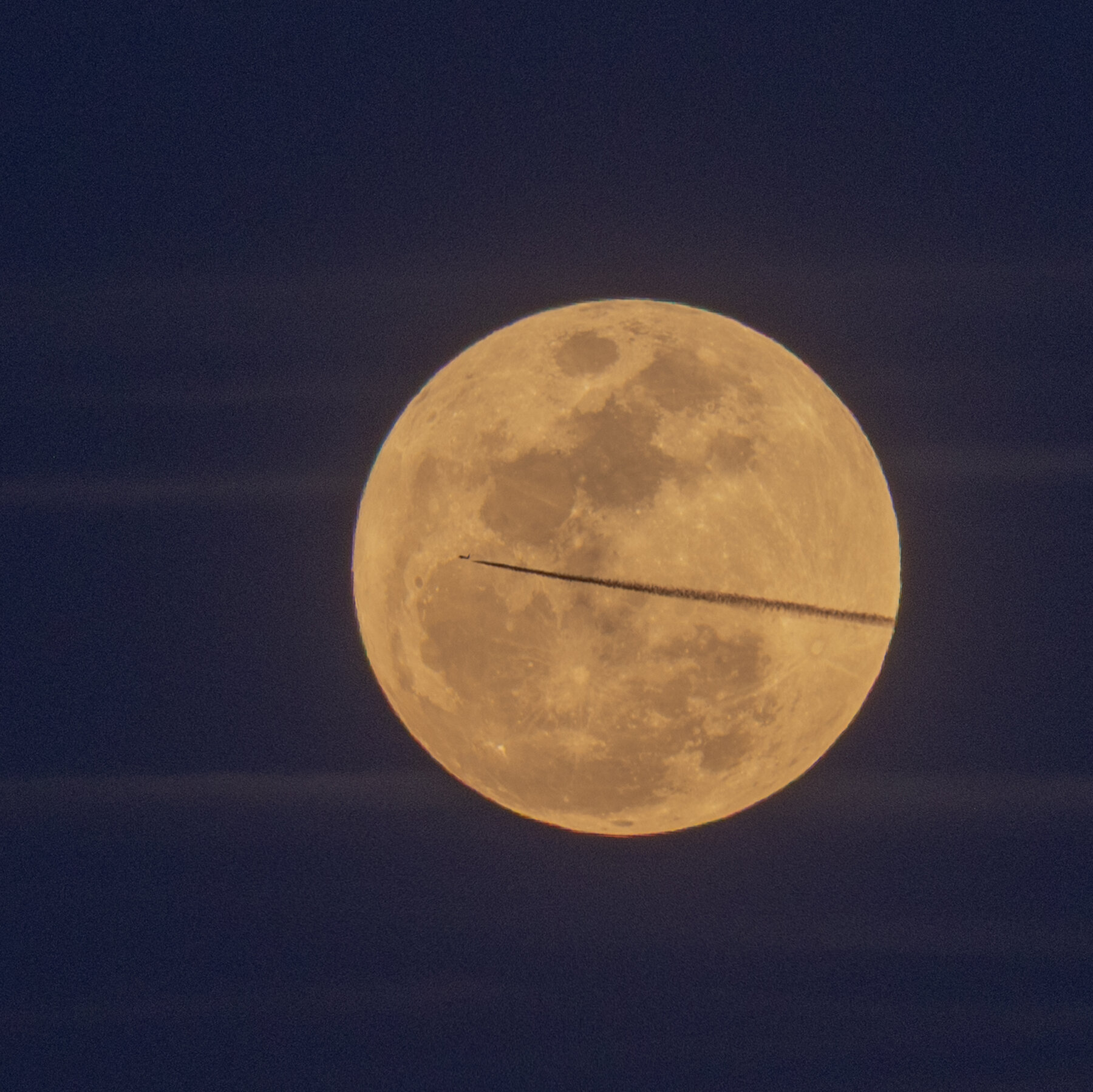
The Dark Side of the Moon Is Really the Far Side
For centuries, the moon has captivated humanity with its enigmatic beauty and the mysteries it holds. One of the most intriguing aspects of our celestial neighbor is the term "dark side," a phrase often used to describe the moon's far side. However, recent scientific research has shed light on this misnomer, revealing that the moon's far side is not truly dark or inaccessible.
The misconception stems from the fact that the moon always presents the same face to Earth due to its synchronous rotation. This means that the side of the moon we see is always the same, while the far side remains hidden from our view. This hidden side has been the subject of fascination and speculation for generations, leading to the popular belief that it is perpetually dark.
In reality, the far side of the moon is not dark at all. It is lit by the sun, just like the side we see from Earth. The difference lies in the fact that we cannot observe it directly from our planet's surface. This creates the illusion that the far side is perpetually shrouded in darkness, but it is simply out of our line of sight.
Scientists have long recognized this distinction and have chosen to refer to the moon's far side as the "far" side rather than the "dark" side. This terminology shift reflects a more accurate understanding of the moon's characteristics and its relationship with Earth.
The far side of the moon has been the target of numerous space missions, including the Soviet Union's Luna program and China's Chang'e missions. These missions have provided valuable data and images of the far side, revealing a landscape that is equally fascinating as the side we know. The far side features vast plains, cratered regions, and even some of the oldest rocks in the solar system.
One of the most significant missions to the far side was the Lunar Reconnaissance Orbiter (LRO) mission by NASA. Launched in 2009, the LRO has been orbiting the moon and capturing high-resolution images of both the near and far sides. These images have helped scientists better understand the moon's geological history and the processes that have shaped it over billions of years.
The far side of the moon also holds potential for future exploration and resource extraction. With the growing interest in space mining and the development of sustainable space habitats, the far side's untouched terrain presents a unique opportunity. Its remoteness from Earth could offer a shielded environment for scientific research and exploration, free from the interference of terrestrial signals.
In conclusion, the term "dark side" is a misnomer that has persisted for decades due to the moon's synchronous rotation and our inability to directly observe its far side. However, scientific understanding has progressed, and the moon's far side is now recognized as a lit and dynamic region of the celestial body. As our knowledge of the moon continues to expand, so too does our appreciation for its complexity and the mysteries it holds. The far side, once shrouded in myth and mystery, is now a frontier of exploration and discovery, waiting to be unveiled by human ingenuity and curiosity.








