
The culture war over the Gaza war
The conflict is raging on streets and screens in the West
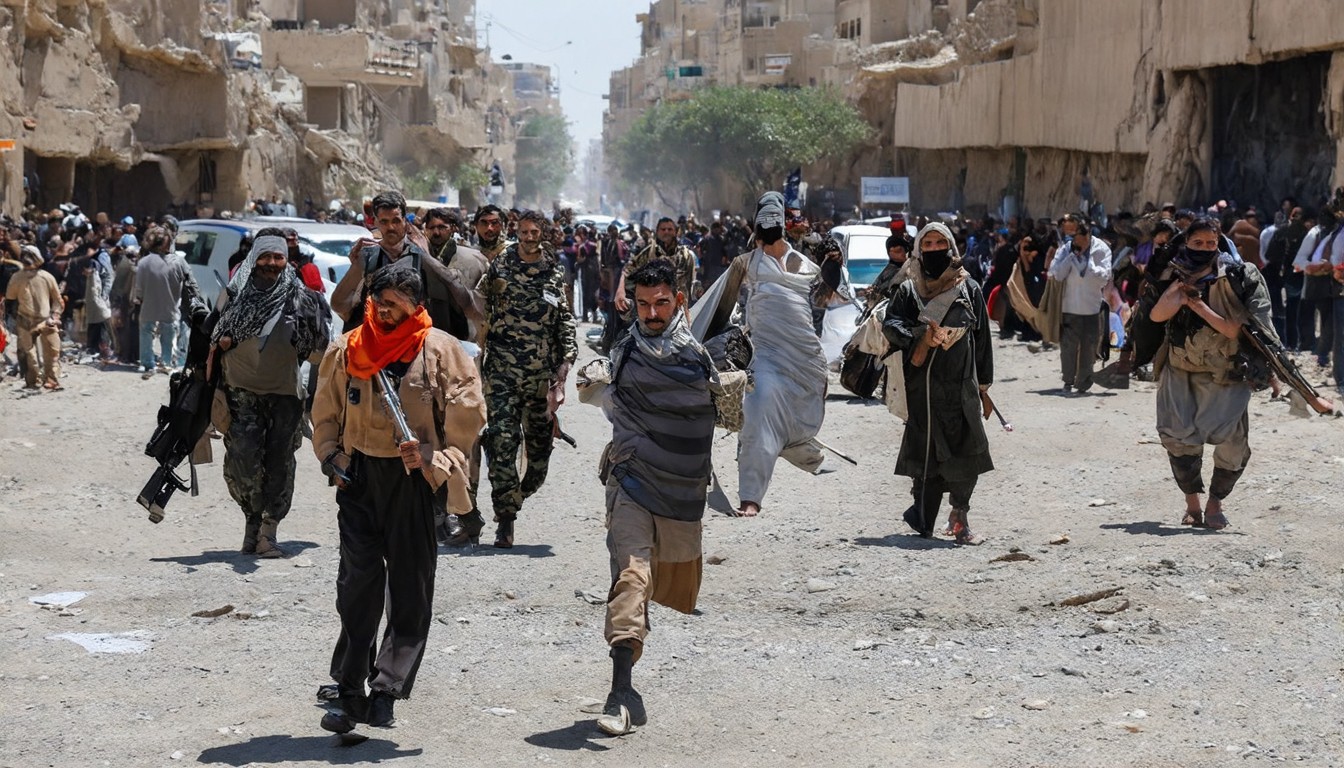
The culture war over the Gaza war has ignited intense debates across the Western world, with public discourse shifting from the battlefield to the streets and digital platforms. As the conflict unfolds, it has become a focal point for political, social, and cultural battles, dividing communities and amplifying existing tensions.
In the early days of the conflict, social media platforms became arenas for advocacy, misinformation, and calls for action. Protests erupted in cities like London, Berlin, and Paris, with demonstrators waving Palestinian flags and chanting slogans demanding an end to the violence. Concurrently, counter-protests emerged, with groups advocating for Israeli security and criticizing what they perceived as one-sided media coverage. These demonstrations often devolved into heated exchanges, reflecting the broader divide in public opinion.
The cultural war has also manifested in academic and artistic spheres. Universities have hosted debates and panel discussions, with scholars grappling with the historical and political contexts of the conflict. Some artists have produced works that critique the Israeli-Palestinian dynamic, while others have focused on the humanitarian crisis, drawing attention to the suffering of civilians on both sides. This cultural engagement has intensified the debate, as different perspectives vie for recognition and influence.
The media's role in amplifying these tensions has been significant. Traditional news outlets have faced criticism for perceived biases, with some accused of favoring one side over the other. Social media, with its algorithmic nature, has further entrenched these divides, as users are often exposed to content that reinforces their existing beliefs. This echo chamber effect has made it challenging to reach a consensus, as misinformation and sensationalist narratives proliferate.
Religious and ethical considerations have also played a part in the culture war. Some religious leaders have called for peace and dialogue, urging their followers to empathize with the plight of both Palestinians and Israelis. Others have taken more confrontational stances, using their platforms to rally support for one side or the other. These religious discourses have added another layer of complexity to the conflict, as moral and ethical arguments are woven into the broader political narrative.
The economic implications of the conflict have also fueled the cultural war. Sanctions and boycotts have been proposed, with proponents arguing that they are necessary to pressure one side or the other. Critics, however, warn that such measures could exacerbate humanitarian crises and deepen divisions. The economic debate has become intertwined with the political and social discourse, as different groups vie for influence over international policy.
As the conflict continues, the culture war over the Gaza war shows no signs of abating. It has become a defining issue of our time, challenging societies to confront their biases, prejudices, and deep-seated beliefs. While the battlefield remains a site of violence and destruction, the cultural battleground is proving to be just as contentious and impactful. The question of how to navigate this complex and polarized landscape remains unanswered, as the world watches the conflict unfold and its repercussions ripple across borders.









