The cost to fly private is up as much as 20% with fuel prices soaring
Deep-pocketed travelers are less likely to get priced out as airfares rise, but they have to navigate unexpected fees related to the Iran war and rising fuel costs.
The cost to fly private is up as much as 20% with fuel prices soaring
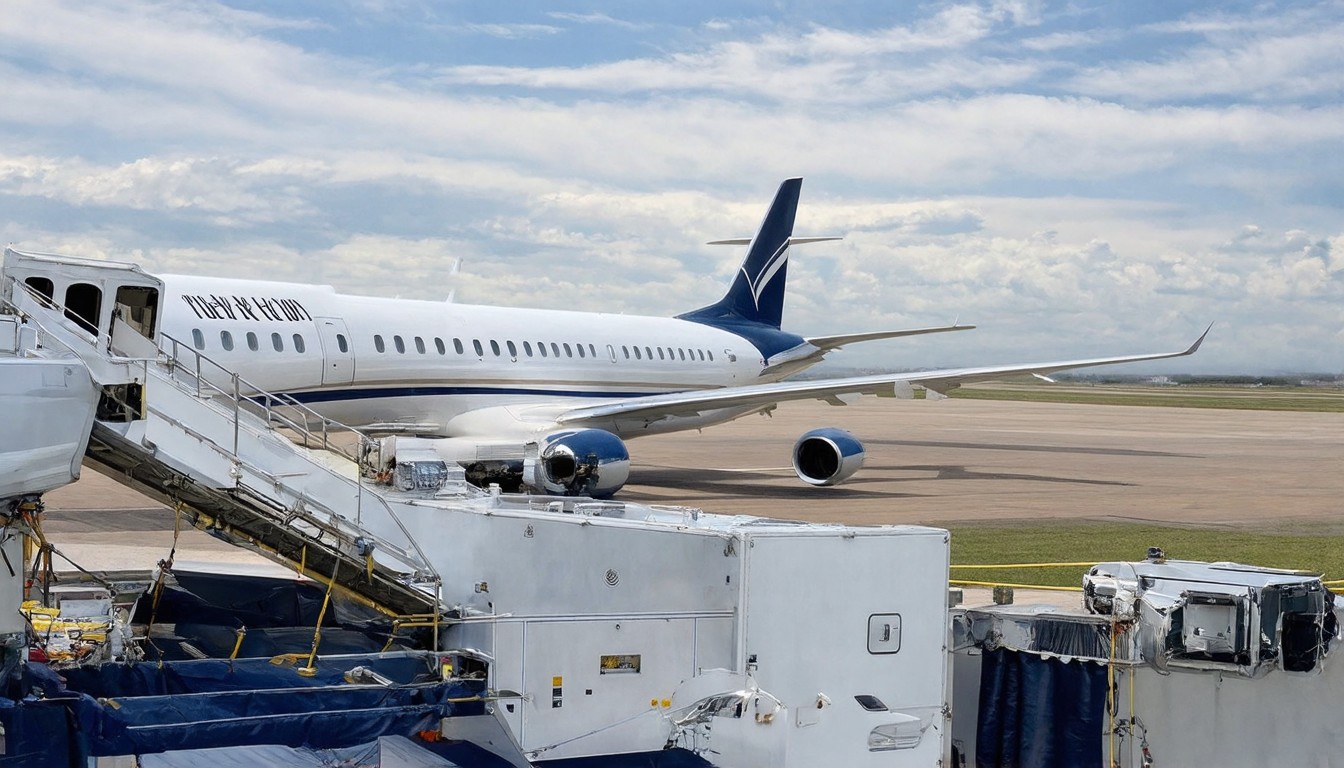
In recent months, the private jet travel market has seen a significant increase in costs, with prices rising by as much as 20% due to soaring fuel prices. This surge in expenses has left deep-pocketed travelers navigating a landscape of unexpected fees and challenges, particularly in the context of the ongoing Iran war and its impact on global fuel markets.
The primary driver of these price hikes is the sharp rise in fuel costs, which has been exacerbated by geopolitical tensions and supply chain disruptions. Private jet operators, who rely heavily on jet fuel, have had to pass on these increased expenses to their clients. This has resulted in a noticeable increase in the cost of chartering private aircraft, which has implications for both leisure travel and business travel.
Despite the challenges, deep-pocketed travelers are less likely to be priced out of the market. However, they must be prepared to deal with a range of unexpected fees and additional costs. These can include charges related to the Iran war, such as increased security measures and potential rerouting of flights to avoid conflict zones. Additionally, travelers may encounter higher landing fees at certain airports, which have been passed on to private jet operators as a result of rising fuel costs.
The impact of these price increases is not uniform across the private jet market. Larger operators with more efficient fleets and established contracts with fuel suppliers may be able to absorb some of the cost increases more effectively than smaller, independent operators. This could lead to a consolidation of the market, with larger players gaining a competitive advantage.
For travelers, the rising costs of private jet travel may prompt a reevaluation of their travel needs and preferences. Some may opt for more cost-effective alternatives, such as commercial flights or first-class cabins on larger aircraft. Others may choose to prioritize their travel needs, focusing on essential business trips rather than leisure activities.
In the broader context of the global economy, the surge in private jet travel costs highlights the interconnectedness of different sectors. The rise in fuel prices, driven by geopolitical tensions and supply chain issues, has ripple effects across industries, from transportation to hospitality. As fuel costs continue to fluctuate, private jet travelers will need to remain adaptable and prepared for further changes in the market.
In conclusion, the private jet travel market is facing significant challenges due to rising fuel prices and the ongoing Iran war. While deep-pocketed travelers may not be completely priced out, they must navigate a complex landscape of unexpected fees and costs. The long-term implications of these price increases for the industry and for travelers remain to be seen, but it is clear that the private jet market is undergoing significant transformation.