
The Control Layer Of AI: Why Agentic AI Stacks Are The Next Big Thing
During the recently concluded NVIDIA GTC 2026 event, the chip giant announced NeMoClaw. Built on OpenClaw, the blockbuster agentic AI…
During the recently concluded NVIDIA GTC 2026 event, the chip giant unveiled NeMoClaw, a groundbreaking agentic AI framework that promises to revolutionize the way enterprises approach AI development. Built on OpenClaw, NeMoClaw adds a critical security and privacy layer to the existing OpenClaw agents, or "Claws," making them suitable for enterprise-grade applications. This announcement marks NVIDIA's continued investment in the agentic AI stack, as the company seeks to solidify its position in the rapidly evolving AI software and agent development landscape.
NeMoClaw's primary advantage lies in its ability to provide enterprise-ready AI agents that can run on personal devices. By enhancing the security and privacy features of OpenClaw, NVIDIA aims to address key concerns that have traditionally hindered the adoption of AI agents in corporate environments. While the effectiveness of NeMoClaw in delivering on its promise remains to be seen, this development underscores NVIDIA's commitment to staying at the forefront of agentic AI technology.
In addition to NeMoClaw, NVIDIA also introduced Nemotron, a family of open models designed to facilitate the creation of specialized agentic AI systems. This move positions NVIDIA alongside other industry giants such as Google, Amazon, Microsoft, and Salesforce, all of which are actively developing AI agent frameworks. These frameworks are becoming increasingly important as they enable businesses to create, manage, and orchestrate AI agents without starting from scratch.
The current race among tech companies to define the dominant AI agent platform layer is reminiscent of the early days of cloud computing. Back then, firms competed to establish the standard platform that developers would build upon. Today, the agentic transformation wave is driving enterprises to adopt AI agent frameworks to streamline their development processes.
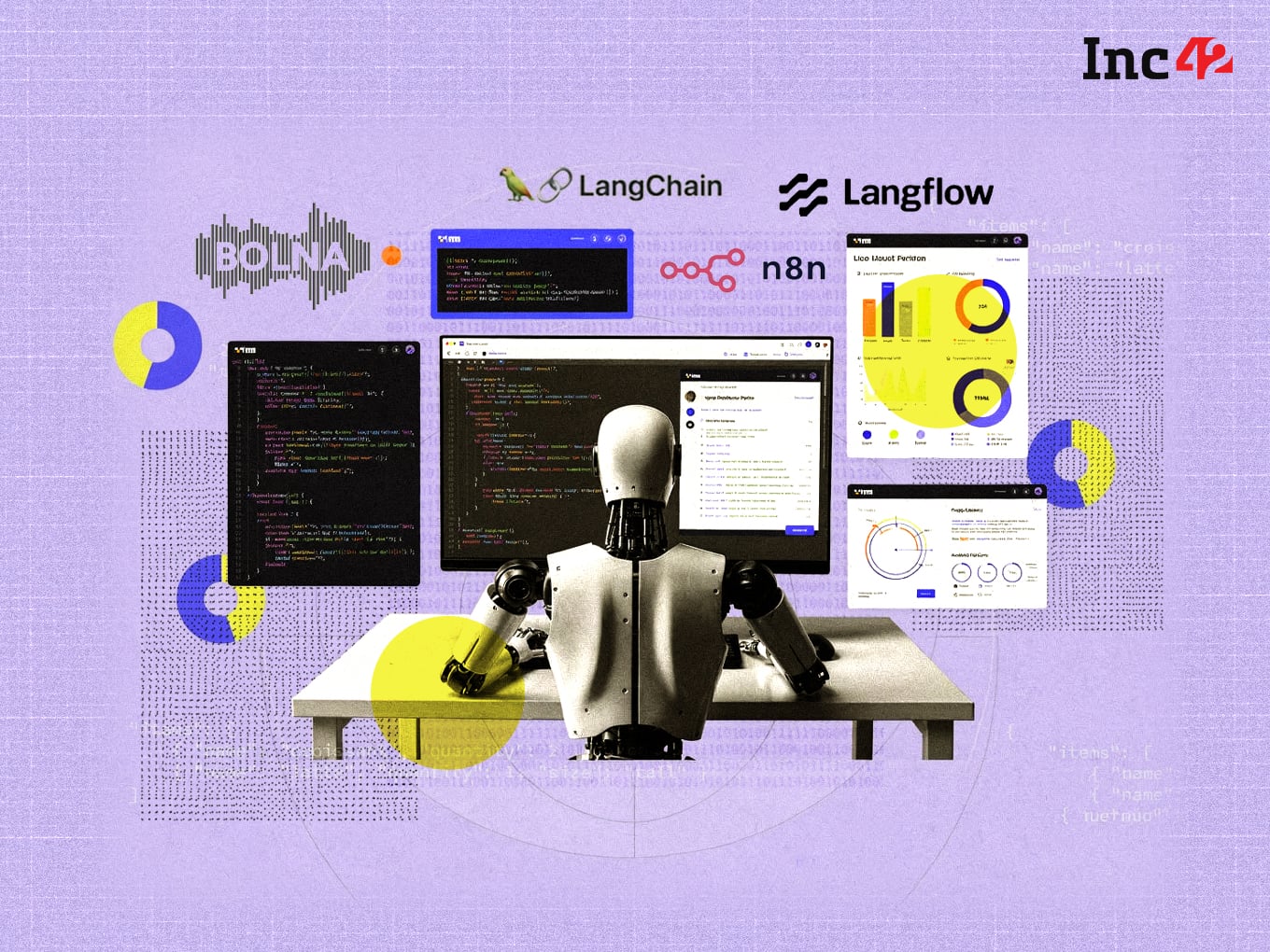
Building AI agents from scratch using coding languages like Python and JavaScript can be time-consuming and resource-intensive, especially when scaling up. This is where agentic frameworks come in. These frameworks offer built-in features and functions, making it possible to develop AI agents more efficiently. As a result, AI agent frameworks are increasingly being positioned as the "operating systems" for autonomous software, allowing businesses to leverage pre-existing tools rather than starting from scratch.
Popular open-source AI agent frameworks, such as LangChain, LlamaIndex, and LangGraph, have gained significant traction in the development community. Meanwhile, big tech and enterprise tech majors like Microsoft, Google, Amazon, OpenAI, and Salesforce are offering a range of AI agent frameworks and platforms tightly integrated with their cloud and AI ecosystems. These include tools like AutoGen, Vertex AI Agent Builder, Agents for Bedrock, and Agentforce, which are becoming the building blocks that other businesses rely on to develop their own AI agent solutions.
As the agentic AI stack continues to evolve, companies like NVIDIA are playing a crucial role in shaping the future of AI development. With NeMoClaw and Nemotron, NVIDIA is not only addressing the security and privacy concerns of enterprises but also providing the tools necessary for businesses to build and deploy AI agents more effectively. As the competition in this space intensifies, it will be interesting to see how these frameworks and platforms influence the broader AI ecosystem and drive innovation in autonomous software development.









