Home ScienceThe coming hurricane: early-career physicists and ...
Science⭐ Featured

The coming hurricane: early-career physicists and the crisis in American science

Parallel sessions at the American Physical Society’s Global Physics Summit reveal a stark divide The post The coming hurricane: early-career physicists and the crisis in American science appeared first on Physics World .
7 April 2026 at 09:06 am
1 views
The coming hurricane: early-career physicists and the crisis in American science

At the American Physical Society’s Global Physics Summit in Denver, the choice of sessions was both overwhelming and thought-provoking. With parallel talks covering a wide range of topics, attendees faced the challenge of deciding which sessions to prioritize. For me, the decision was particularly poignant: should I delve into the troubling realities of "The Crisis in American Science" or seek solace in the innovative efforts of "How Early-Career Physicists Are Solving Society’s Greatest Challenges"? The scheduling coincidence of these sessions being held in adjacent rooms added a layer of irony, as if the organizers were highlighting the tension between despair and hope in the world of physics.

In the end, I opted to attend both sessions, hoping to strike a balance between the grim realities and the promising potential of the next generation of scientists. The early-career physicists session began with a talk by Rosimar Rios-Berrios, a physicist-turned-atmospheric scientist at the US National Center for Atmospheric Research (NCAR) in Boulder, Colorado. NCAR, known for its iconic Mesa Laboratory designed by architect I.M. Pei, is a hub for hundreds of scientists studying weather and climate. Rios-Berrios, originally from Puerto Rico, focused her presentation on a critical issue for island nations and coastal communities: hurricanes.

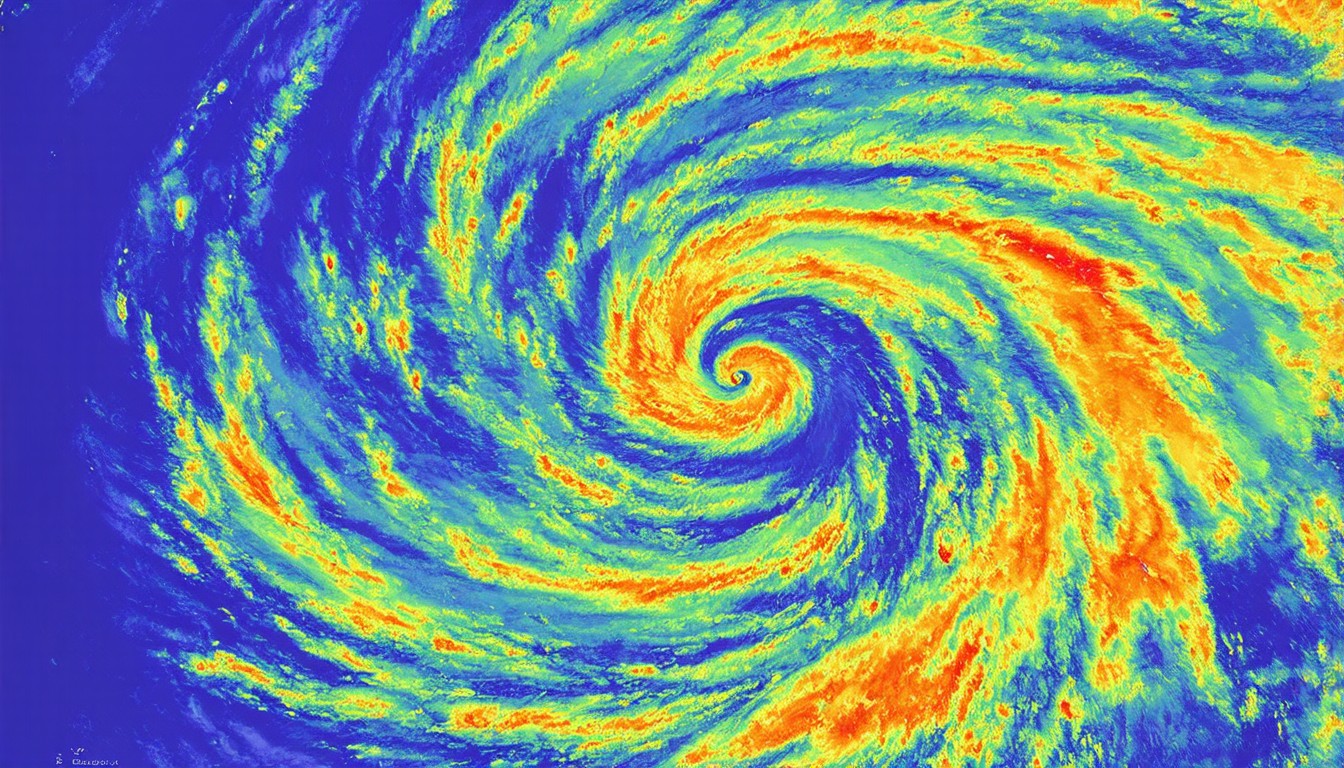
Hurricanes, these powerful storms that can transform from gentle breezes into devastating natural disasters, have long been a subject of intense study. Rios-Berrios aims to unravel the atmospheric processes that lead to such transformations. In particular, she is interested in understanding the conditions under which seemingly innocuous weather patterns give rise to catastrophic events like Hurricane Maria in 2017, which claimed nearly 3,000 lives in Puerto Rico, or Hurricane Melissa in 2025, which devastated parts of Jamaica.

In previous research, a specific type of atmospheric wave known as a convectively coupled Kelvin wave has been identified as a potential marker of developing tropical cyclones. These waves, which occur in the tropics, are thought to play a crucial role in the formation of hurricanes. However, Rios-Berrios’s work seeks to delve deeper into the complex interactions between these waves and the broader atmospheric conditions that can trigger or inhibit the development of hurricanes.

By examining the interplay between atmospheric waves and environmental factors, Rios-Berrios hopes to improve our understanding of hurricane formation and potentially enhance the accuracy of weather forecasting models. This, in turn, could lead to better preparedness and more effective response strategies for communities at risk from these destructive storms.

Meanwhile, the parallel session on "The Crisis in American Science" painted a starker picture. The discussion highlighted systemic issues within the scientific community, including declining funding, a shortage of qualified researchers, and a lack of diversity in the workforce. These challenges, if left unaddressed, could have profound implications for the future of American science and its ability to tackle pressing global problems.

The juxtaposition of these two sessions underscored the urgent need for action. While early-career physicists like Rios-Berrios are demonstrating remarkable potential to address critical issues, the broader scientific ecosystem in America faces significant hurdles. The crisis in American science could stifle innovation and limit the nation’s capacity to lead in scientific discovery.

In the face of these challenges, it is crucial to support and invest in the next generation of scientists. By fostering an inclusive and well-funded research environment, the United States can ensure that its scientific community remains vibrant and competitive. This, in turn, will enable physicists and other scientists to continue making groundbreaking discoveries and developing solutions to the complex problems facing our world.

As the Global Physics Summit concluded, it was clear that the future of American science hinges on the balance between nurturing promising young talent and addressing the systemic issues that threaten the field. Only by addressing these dual concerns can the United States continue to be a leader in scientific advancement and ensure that its researchers have the tools and support they need to make a meaningful impact.
📰 Related News
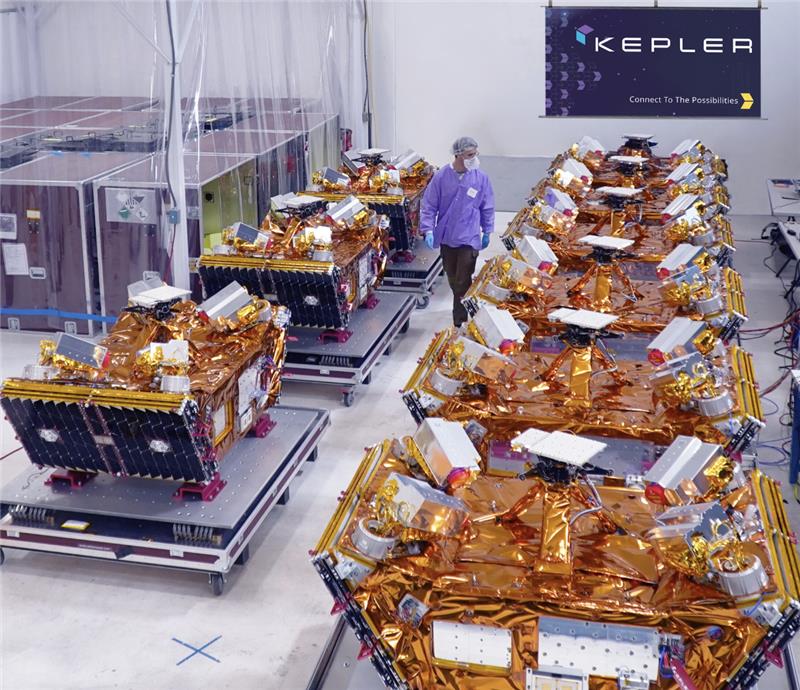
The largest orbital compute cluster is open for business | TechCrunch
Kepler Communications is flying 40 GPUs in Earth orbit. And its latest customer is Sophia Space.
14 Apr
‘Mideast conflict poses risks to Philippines growth’
The Philippine economy is expected to grow at a faster pace of 5.3 percent this year from last year’s 4.4 percent but the ongoing Middle East conflict is seen to pose risks, according to the Association of Southeast Asian Nations Plus 3 Macroeconomic Research Office.
7 Apr
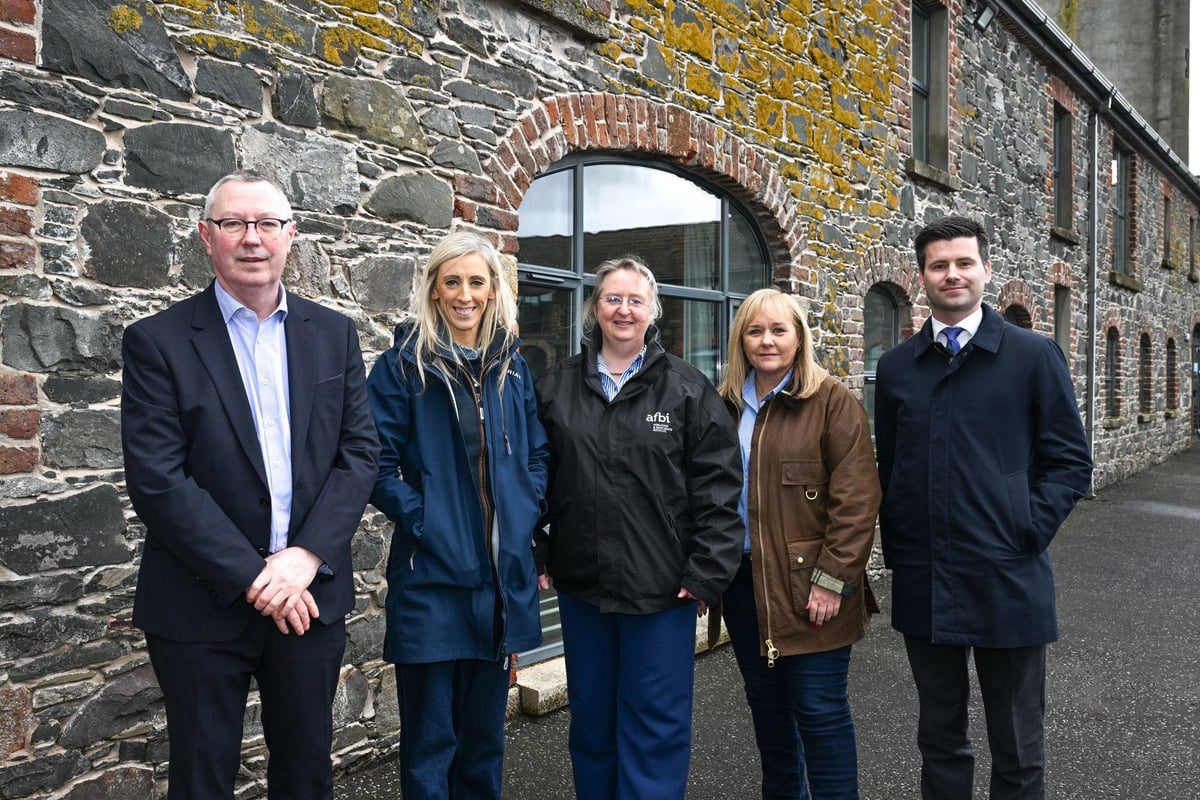
AFBI welcomes DUP representatives to its research farm at Hillsborough
The Agri-Food and Biosciences Institute (AFBI) welcomed a number of DUP representatives to its research farm at Hillsborough on Friday.
7 Apr
A simple way to get more value from metrics
We spent one day 1 building a system that immediately found a mid 7 figure optimization (which ended up shipping). In the first year, we shipped mid 8 figures per year worth of cost savings as a result. The key feature this system introduces is the ability to query metrics data across all hosts and all services and over any period of time (since inception), so we've called it LongTermMetrics (LTM) internally since I like boring, descriptive, names. This got started when I was looking for a starter project that would both help me understand the Twitter infra stack and also have some easily quantifiable value. Andy Wilcox suggested looking at JVM survivor space utilization for some large services. If you're not familiar with what survivor space is, you can think of it as a configurable, fixed-size buffer, in the JVM (at least if you use the GC algorithm that's default at Twitter). At the time, if you looked at a random large services, you'd usually find that either: The buffer was too small, resulting in poor performance, sometimes catastrophically poor when under high load. The buffer was too large, resulting in wasted memory, i.e., wasted money. But instead of looking at random services, there's no fundamental reason that we shouldn't be able to query all services and get a list of which services have room for improvement in their configuration, sorted by performance degradation or cost savings. And if we write that query for JVM survivor space, this also
7 Apr
Accelerating Mathematical and Scientific Discovery with Gemini Deep Think
Research papers point to the growing impact of Deep Think across fields
7 Apr
Gemini 3 Deep Think: Advancing science, research and engineering
Our most specialized reasoning mode is now updated to solve modern science, research and engineering challenges.
7 Apr
Context Engineering for Coding Agents
The number of options we have to configure and enrich a coding agent’s context has exploded over the past few months. Claude Code is leading the charge with innovations in this space, but other coding assistants are quickly following suit. Powerful context engineering is becoming a huge part of the developer experience of these tools. Birgitta Böckeler explains the current state of context configuration features, using Claude Code as an example. more…
7 Apr
What does less protein and nitrogen mean for methane?
Does feeding less protein to cows over a longer period not only reduce nitrogen losses, but also affect methane emissions? Researchers at Wageningen University & Research (WUR) investigated this in a multi-year study with dairy cows, funded by the Vereniging Diervoederonderzoek Nederland (VDN), the Dutch Ministry of Agriculture, Fisheries, Food Security and Nature (LVVN), and […] The post What does less protein and nitrogen mean for methane? appeared first on Agriland.ie .
7 Apr
Second’s Bark Boasts New era of Bitcoin Payments, drawing in former Blockstream developers
Bitcoin Magazine Second’s Bark Boasts New era of Bitcoin Payments, drawing in former Blockstream developers Second, the Bitcoin development lab founded by ex-Blockstream executives including CEO Steven Roose and CTO Erik De Smedt, has unveiled Bark — its custom Ark protocol implementation promising self-custodial payments that are faster and cheaper than Lightning channels. This post Second’s Bark Boasts New era of Bitcoin Payments, drawing in former Blockstream developers first appeared on Bitcoin Magazine and is written by Juan Galt .
7 Apr
'Morale boost': Nasa carries out Moon mission during tough year for science
HOUSTON — As the four Artemis astronauts approached a high point of their lunar mission -- getting slung around the far side of the Moon -- National Aeronautics and Space Administration (Nasa) staffers crowded into Houston's famed mission control room Monday for a team photo.
7 Apr