The Chinese box office isn't the Hollywood kingmaker it used to be. Here's why
Shifting government content controls and postpandemic Hollywood trends have made China less of a player in the global box office landscape.
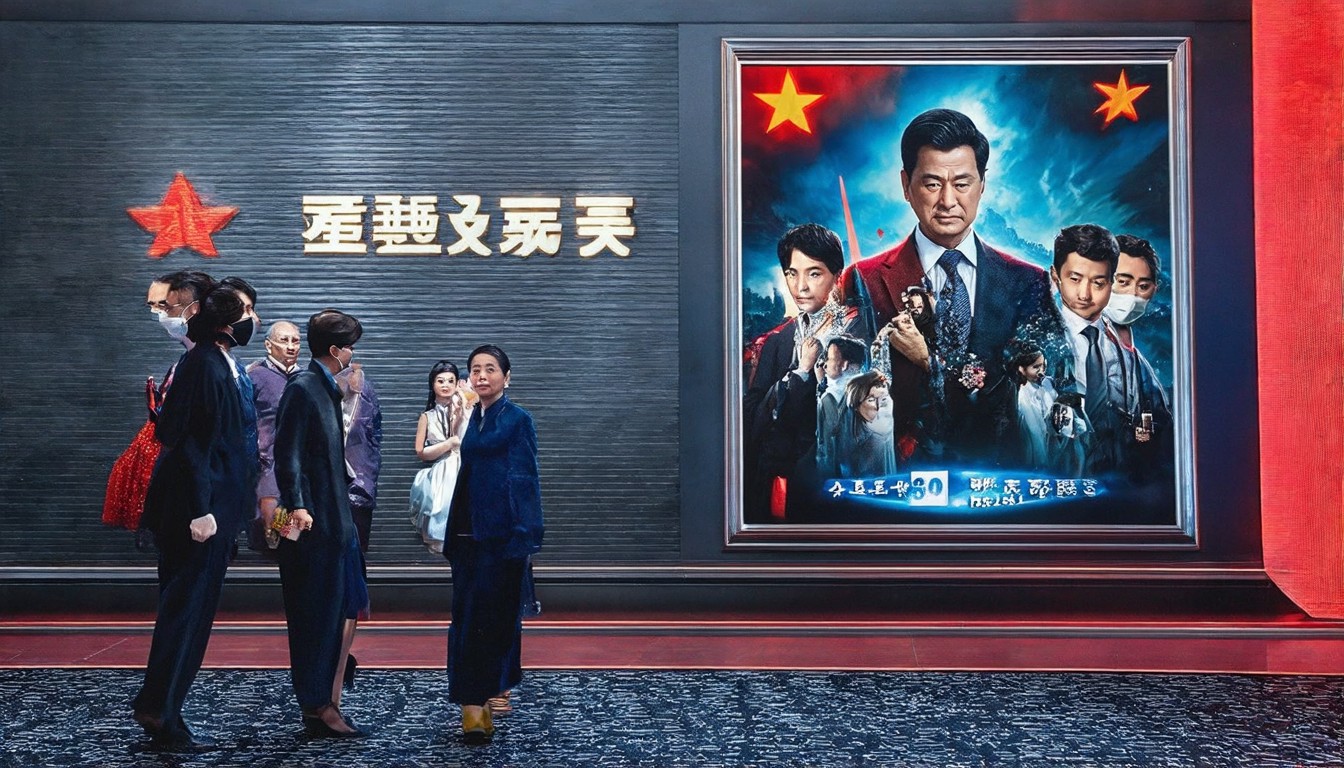
In recent years, the Chinese box office has experienced a significant decline in its global influence, a stark contrast to its prominence in the past. Once a dominant force in the film industry, China's role as a kingmaker in the box office has diminished due to a combination of shifting government content controls and postpandemic Hollywood trends.
For decades, China has been a key player in the global box office, with its vast population and growing disposable income driving movie revenues. Hollywood studios have long relied on China to boost their box office numbers, often tailoring films to appeal to local tastes. However, the landscape has changed dramatically in recent years, primarily due to the government's tightening of content controls and the impact of the COVID-19 pandemic.
The Chinese government has increasingly imposed strict regulations on the film industry, aiming to promote domestic content and limit foreign influence. These controls have made it more difficult for Hollywood to release films in China, as studios must now navigate complex bureaucratic processes and content requirements. Additionally, the government has prioritized local productions, which have been incentivized with tax breaks and other financial incentives. This has led to a surge in domestic films, which now dominate the Chinese box office.
The COVID-19 pandemic has further exacerbated the challenges faced by Hollywood in China. The closure of cinemas and strict quarantine measures during the pandemic disrupted the film industry, causing a sharp drop in box office revenues. While the situation has improved in recent months, the recovery has been slow, and the Chinese market has yet to fully rebound. Meanwhile, Hollywood studios have been forced to reevaluate their strategies, focusing more on international markets and digital distribution platforms.
Postpandemic Hollywood trends have also contributed to China's diminished role in the global box office. With theaters reopening globally, studios have prioritized markets with high potential, such as the United States and other major economies. China, while still a significant market, has become just one of many important players in the global landscape. Furthermore, the rise of streaming services has shifted the focus of studios towards digital platforms, reducing the reliance on traditional box office revenues.
The decline of China's box office influence is also reflected in the types of films that are successful there. Domestically produced films, which often focus on patriotic themes and local history, have become more popular. Hollywood films, while still in demand, must now compete with a more diverse and robust domestic film industry. This shift has forced Hollywood to adapt, with some studios investing in local collaborations and co-productions to better understand and appeal to Chinese audiences.
In conclusion, the Chinese box office, once a dominant force in the global film industry, has experienced a significant decline in its influence. Shifting government content controls and postpandemic Hollywood trends have made China less of a player in the global box office landscape. While the market remains important, it is no longer the kingmaker it once was. The industry is now characterized by a more complex and diverse global landscape, with studios adapting to new challenges and opportunities.