
The biggest winners and losers of the tariff war as AI-related trade skyrockets
A report published this month by the McKinsey Global Institute offers one of the most rigorous accountings of last year's trade war. Its verdict confounds almost every prediction made when the tariffs were first introduced.
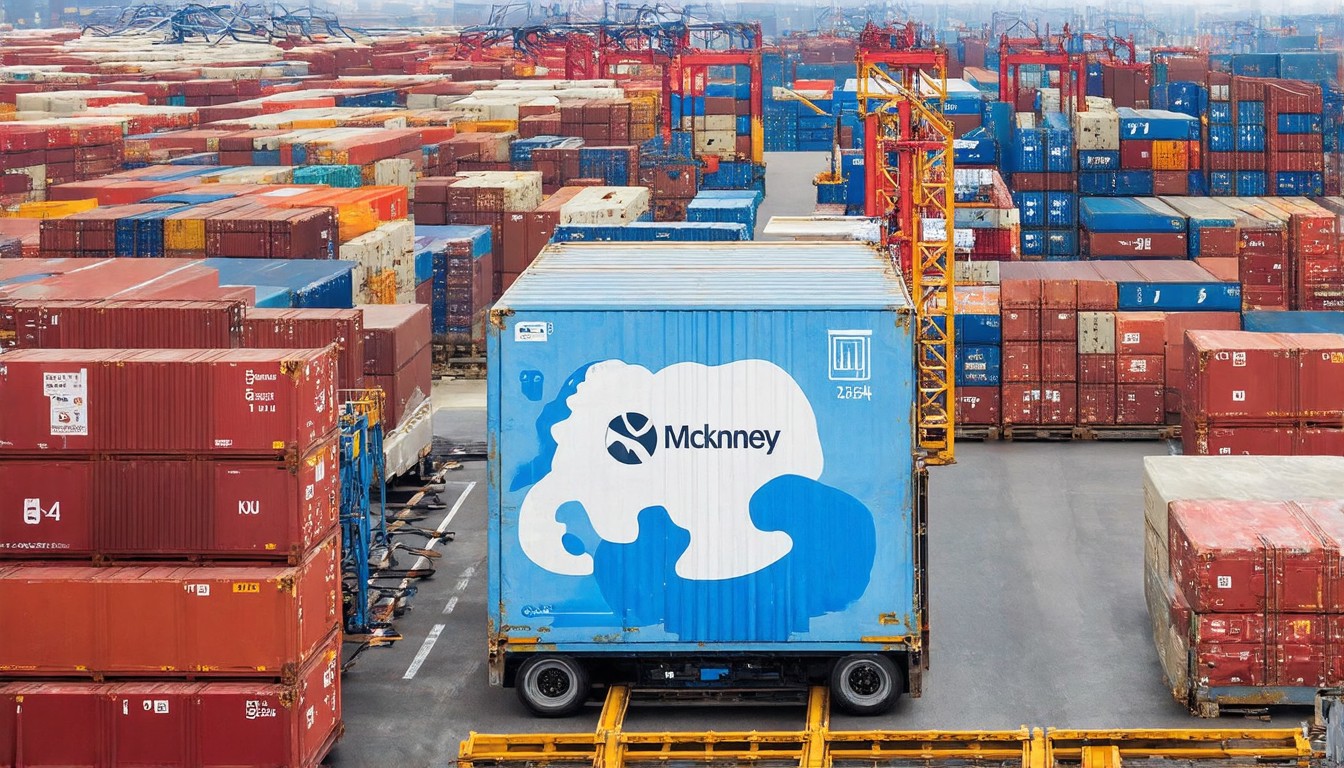
The tariff war that erupted between the United States and China in 2018 has had profound effects on global trade, with some industries and countries emerging as unexpected winners while others suffered significant losses. A recent report by the McKinsey Global Institute provides a comprehensive analysis of the trade dynamics during this period, revealing that the outcomes often contradicted initial predictions.
One of the most surprising findings of the report is the unexpected surge in AI-related trade. Despite the overall downturn in global trade due to the tariffs, the AI sector has seen a remarkable increase in cross-border transactions. This growth can be attributed to several factors, including the strategic importance of AI technologies in modern economies and the flexibility of supply chains to adapt to changing trade policies.
The United States has emerged as one of the biggest winners in the AI-related trade surge. With the tariffs targeting traditional manufacturing sectors, the country has shifted its focus towards high-tech industries, including AI. American companies have leveraged their technological leadership to expand their presence in global markets, benefiting from reduced competition in certain areas. This shift has also led to increased investment in AI research and development, further solidifying the US position as a global leader in this field.
China, on the other hand, has faced mixed results. While the tariffs have disrupted some of its traditional export industries, the country has managed to adapt by focusing on high-value sectors such as AI. Chinese firms have been quick to capitalize on the opportunities presented by the shifting trade landscape, investing heavily in AI research and development. This has allowed them to maintain their competitive edge in the global market, despite the challenges posed by the tariffs.
However, not all countries have been as fortunate. The European Union, for instance, has suffered significant losses due to the tariff war. The bloc's reliance on traditional manufacturing and its exposure to both US and Chinese tariffs have led to a decline in trade volumes. Many EU countries have struggled to diversify their economies, resulting in a slowdown in growth and increased unemployment in certain sectors.
Similarly, Japan has faced challenges in its trade relations with both the US and China. While the country has managed to maintain its position as a key player in the automotive and electronics industries, the tariffs have disrupted supply chains and led to increased costs for Japanese manufacturers. This has forced many companies to reevaluate their global strategies, with some opting to relocate production to countries with more favorable trade conditions.
The report also highlights the role of emerging economies in the tariff war. Countries such as India and Vietnam have taken advantage of the shifting trade dynamics to expand their market share. By positioning themselves as alternative suppliers to both the US and China, these nations have been able to capitalize on the disruptions caused by the tariffs. This has not only boosted their economies but has also diversified their trade relationships, reducing their dependence on traditional partners.
In conclusion, the tariff war has brought about significant changes in global trade patterns, with AI-related trade emerging as a standout sector. While some countries and industries have thrived, others have faced substantial challenges. The McKinsey Global Institute's report serves as a cautionary tale for policymakers, emphasizing the need for adaptability and strategic planning in the face of rapidly changing trade landscapes. As the world continues to navigate the complexities of the tariff war, the ability to pivot and leverage emerging opportunities will be crucial for success in the global economy.









