
The best sleep position, according to science
You might be sleeping wrong. The post The best sleep position, according to science appeared first on Popular Science .
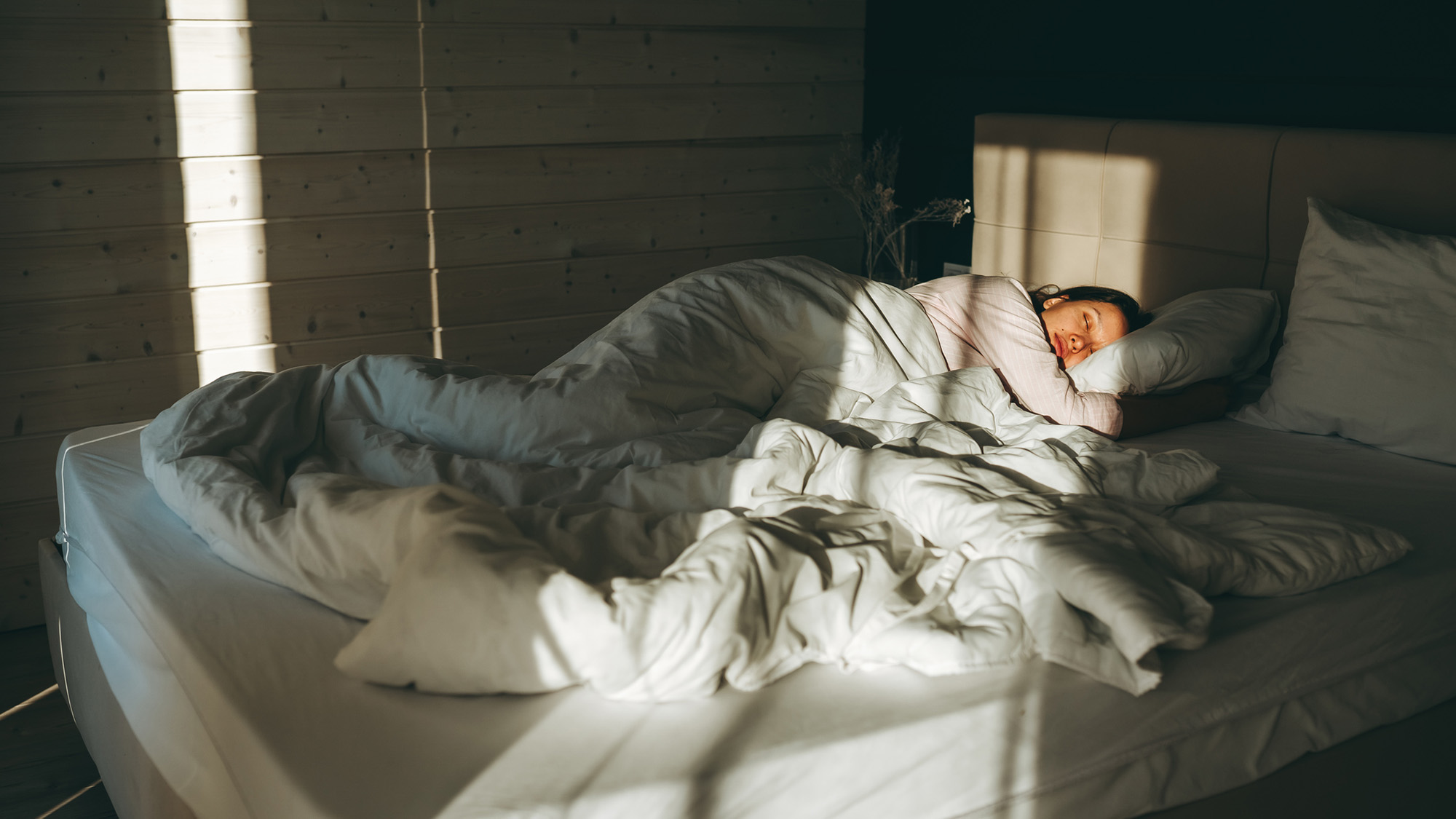
In Hans Christian Andersen's classic fairytale, "The Princess and the Pea," a prince tests whether a young woman is, in fact, a princess. To authenticate her nobility, his mother, the queen, places a single pea at the bottom of the woman's bed, beneath 20 mattresses and 20 quilts. If the woman is sensitive to the pea, she must have royal blood—obviously. Although she falls asleep easily atop the towering bed, the woman spends the entire night tossing and turning because the bed is so uncomfortable. Later, the queen confirms it was the pea that made her sleep so unbearable. But if you were to ask a sleep doctor today, it may have had more to do with the princess's sleeping position.
It's no secret that your sleeping position can significantly affect your sleep quality. But according to science, which sleeping position is best? In order to determine whether we should be snoozing on our backs or curling up on our sides to achieve maximum health benefits (and a good night's rest), Popular Science turned to Dr. John Saito, a representative for the American Academy of Sleep Medicine. Apparently, the answer isn't so clear-cut.
"Everyone has an idea of what a good sleep position may be," says Saito, "whether it's sleeping on your left side, right side, back, belly, or even upside down. But it all depends on the context." For example, say you're lying on your back and have a good support pillow that keeps your spine and your neck in a neutral position. This, says Saito, allows your airway to remain unobstructed and you to breathe easily. That's a good thing.
However, if you have sleep apnea—a condition in which your breathing stops and starts throughout sleep, typically resulting from your throat muscles becoming too relaxed and blocking a body's upper airway—sleeping on your back can be detrimental to your health. "If the tongue falls to the back of your throat when you sleep on your back," explains Saito, "it can exacerbate sleep apnea symptoms, leading to disrupted sleep and daytime fatigue."
On the other hand, sleeping on your side can be beneficial for those with sleep apnea. When lying on your side, gravity helps keep your airway open, reducing the risk of obstructive sleep apnea episodes. But not all side sleepers are created equal. Research suggests that sleeping on your left side may be slightly better than sleeping on your right side. This is because the left side of the body has a larger lung capacity, which can improve oxygen intake during sleep.
Moreover, sleeping on your left side may also have some cardiovascular benefits. A study published in the journal "Sleep" found that people who sleep on their left side had a lower risk of developing heart disease compared to those who slept on their right side or back. The exact reasons for this are not entirely clear, but it may be related to the positioning of the heart and blood vessels when lying on the left side.
Despite these potential benefits, not everyone can or should sleep on their side. Individuals with back pain or spinal issues may find it more comfortable to sleep on their back, provided they have the right pillow and mattress support. Similarly, those with shoulder pain or arthritis may prefer to sleep on their back to reduce pressure on their shoulders.
Ultimately, the best sleep position depends on a variety of factors, including individual preferences, physical health, and sleep quality. While science can offer some insights into the potential benefits of certain sleeping positions, it's essential to experiment with different arrangements to find what works best for you.
In conclusion, the princess in Andersen's tale might have suffered not only from the pea beneath her mattress but also from an unfavorable sleeping position. Today, science suggests that our sleeping arrangements can indeed impact our sleep quality and overall health. By understanding the potential benefits and drawbacks of different sleeping positions, we can make more informed decisions about how to achieve the best rest possible.








