The basics of irrigation during hot weather
Hot, dry conditions test even the best irrigation strategies. Christo van der Westhuizen, agronomist at Netafim Southern and East Africa, explained to Glenneis Kriel how farmers can manage water efficiently to protect crops during hot days.
In the face of increasing heat and arid conditions, efficient irrigation strategies become critical for farmers to safeguard their crops. Christo van der Westhuizen, an agronomist at Netafim Southern and East Africa, recently shared valuable insights with Glenneis Kriel on how farmers can manage water effectively during hot weather. These tips are essential as even the best irrigation plans can be challenged by prolonged droughts and scorching temperatures.
Understanding the specific needs of crops is the first step in developing an effective irrigation plan. Different plants have varying water requirements, which depend on their stage of growth, environmental conditions, and soil type. Van der Westhuizen emphasized the importance of monitoring crop needs closely, as this can help farmers avoid overwatering or underwatering their fields. Overwatering can lead to nutrient leaching and root rot, while underwatering can stunt growth and reduce yields.
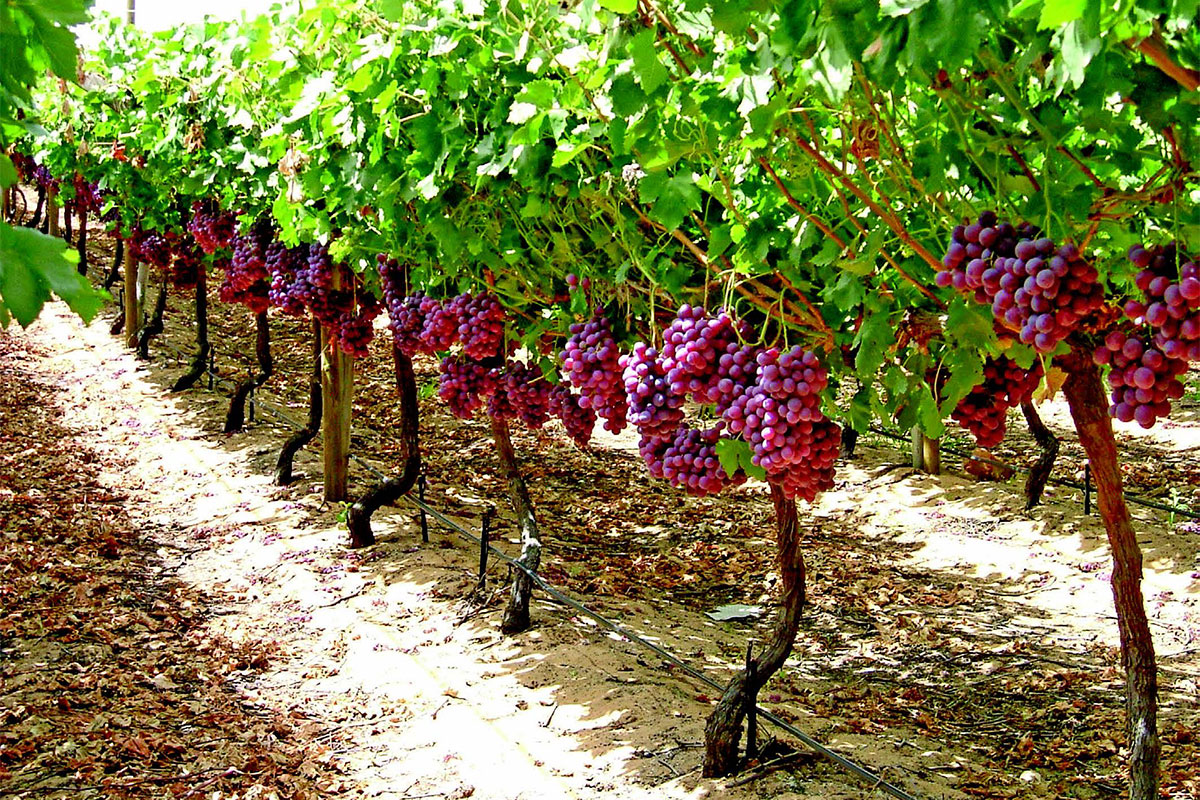
One of the key strategies for efficient irrigation during hot weather is to use drip irrigation systems. These systems deliver water directly to the plant's roots, minimizing evaporation and runoff. Drip irrigation is particularly advantageous in arid regions, where water conservation is paramount. Van der Westhuizen highlighted that such systems can reduce water usage by up to 60% compared to traditional methods like flood irrigation. This not only conserves precious water resources but also helps farmers manage their budgets more effectively.
Another crucial aspect of efficient irrigation is scheduling. Irrigating crops during the cooler parts of the day, such as early morning or late evening, can help reduce water loss through evaporation. Van der Westhuizen recommended that farmers time their irrigation activities to coincide with periods of lower temperatures and higher humidity. This approach not only conserves water but also creates a more favorable environment for plant growth.
Soil health is another critical factor in successful irrigation. Healthy soil can retain water more effectively, reducing the need for frequent irrigation. Van der Westhuizen advised farmers to practice soil conservation techniques, such as mulching and crop rotation, to maintain soil structure and fertility. These practices can enhance the soil's ability to absorb and retain water, ensuring that crops receive the necessary hydration even during prolonged hot spells.
In addition to these strategies, farmers should also consider investing in advanced irrigation technologies. For instance, soil moisture sensors can provide real-time data on the soil's water status, allowing farmers to irrigate only when needed. This precision-based approach can significantly reduce water usage and improve crop yields. Van der Westhuizen noted that while such technologies may require an initial investment, they can lead to long-term savings and increased efficiency.
Furthermore, it is essential for farmers to stay informed about local weather patterns and forecasts. Accurate weather data can help them plan their irrigation schedules more effectively, ensuring that their crops receive the optimal amount of water. Van der Westhuizen encouraged farmers to leverage technology, such as weather apps and forecasting tools, to make informed decisions about when and how to irrigate.
In conclusion, managing irrigation effectively during hot weather requires a combination of knowledge, careful planning, and the right tools. By understanding crop needs, adopting drip irrigation systems, timing irrigation activities, maintaining soil health, and utilizing advanced technologies, farmers can protect their crops and ensure sustainable agricultural practices. Christo van der Westhuizen's insights serve as a valuable resource for farmers in Southern and East Africa, where extreme weather conditions are becoming more frequent and challenging. As climate change continues to impact agricultural regions, these strategies will become even more crucial in safeguarding food security and promoting resilient farming practices.