The Artemis II astronauts have officially gone further from earth than any humans have gone before
NASA Artemis II astronauts have officially seen the dark side of the moon on Monday as the ship passes by the moon's south pole.
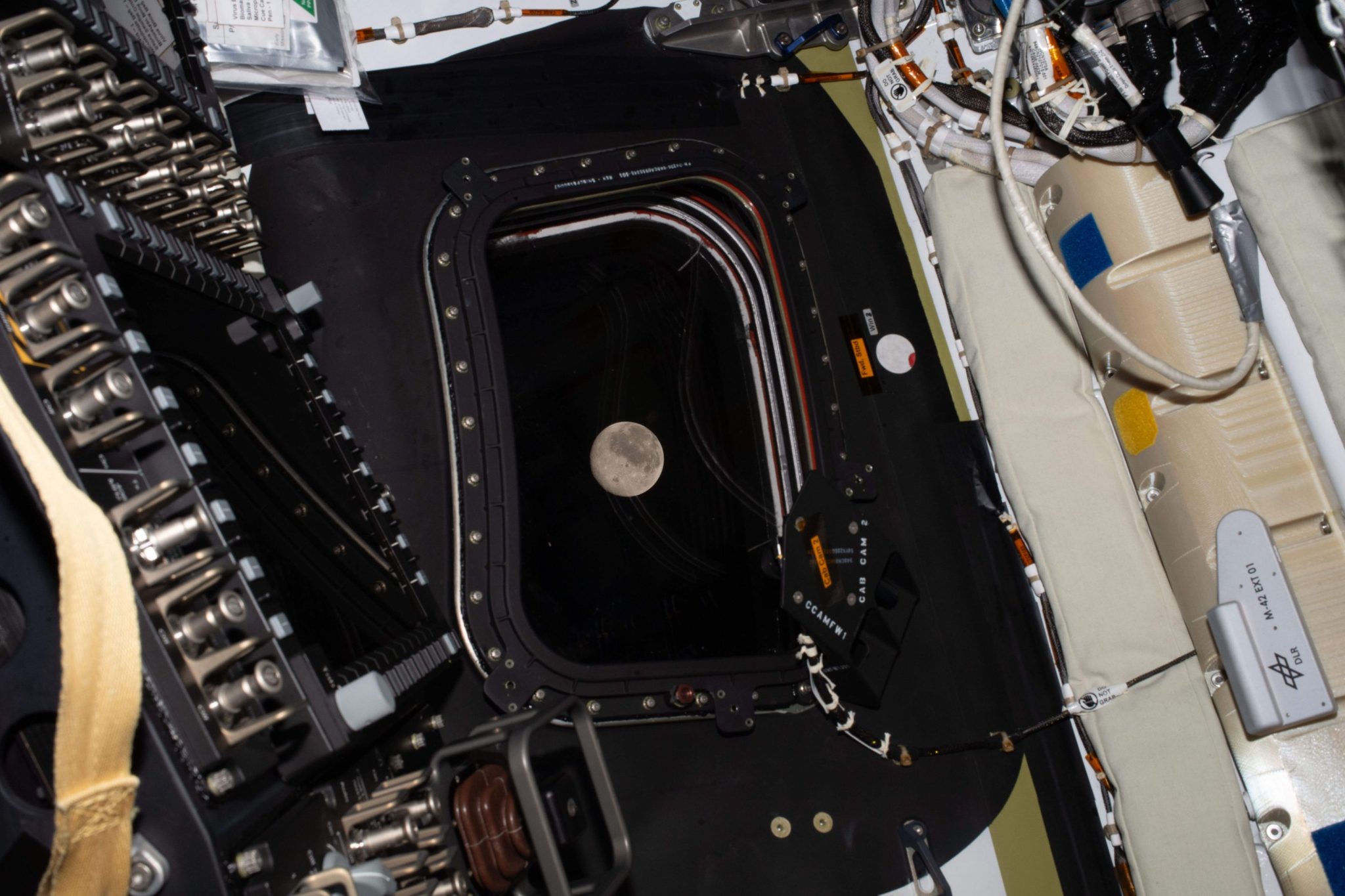
NASA's Artemis II mission has achieved a historic milestone as its astronauts have officially traveled further from Earth than any humans have gone before. On Monday, as the spacecraft passed by the moon's south pole, the crew set a new record for the farthest distance from our planet during a lunar flyby. This momentous journey, which included stunning views of the far side of the moon, marked the first time humans had witnessed such a sight since the Apollo era.
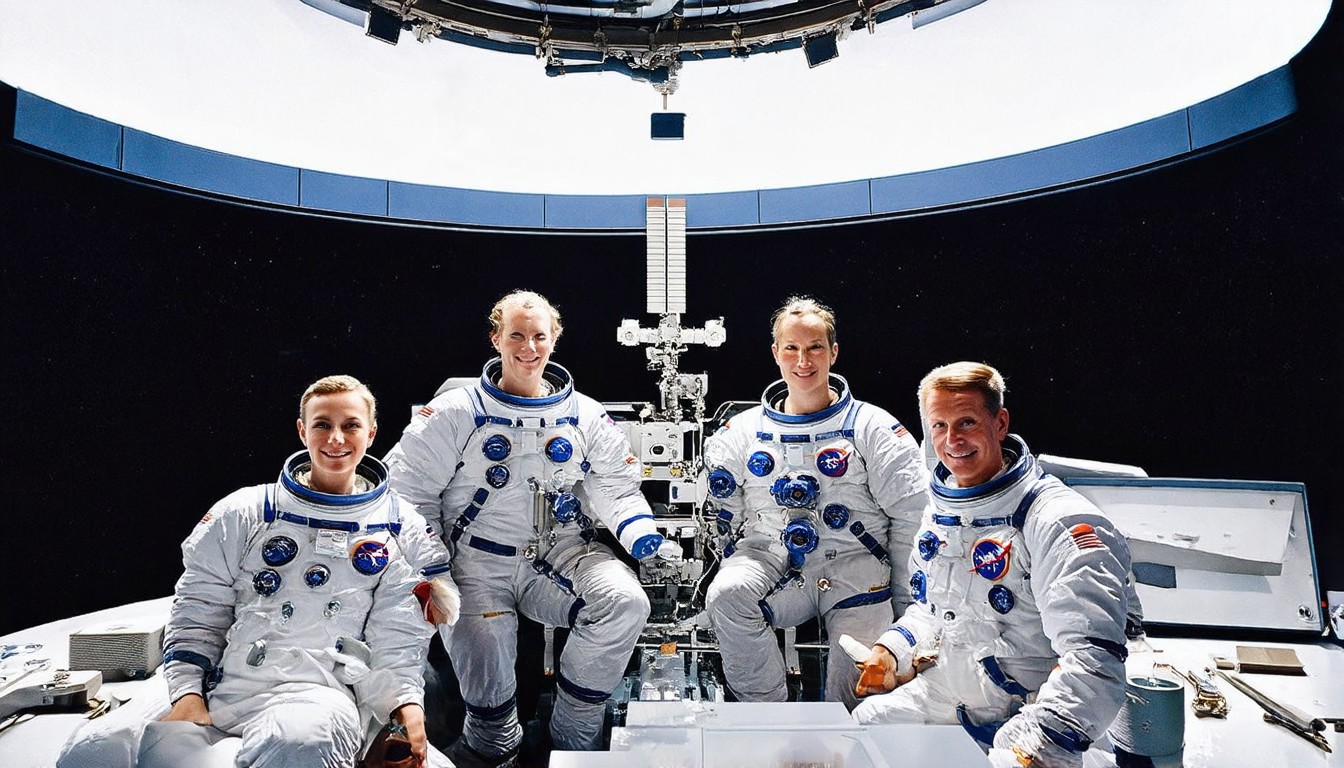
The six-hour flyby, which was the highlight of NASA's first return to the moon since the Apollo program, featured a crew of three Americans and one Canadian. This mission serves as a stepping stone toward the ultimate goal of landing astronauts near the moon's south pole in just two years. As the Artemis II spacecraft approached the moon, the astronauts not only set a new distance record but also captured breathtaking images of the lunar surface.
Less than an hour before initiating the flyby and intense lunar observations, the four astronauts surpassed the previous distance record of 248,655 miles (400,171 kilometers) set by Apollo 13 in April 1970. They continued to push farther from Earth, with Mission Control anticipating that Artemis II would exceed the old record by more than 4,100 miles (6,600 kilometers). Canadian astronaut Jeremy Hansen expressed his awe at the sight, saying, "It is blowing my mind what you can see with the naked eye from the moon right now. It is just unbelievable." He challenged "this generation and the next to make sure this record is not long-lived."
Moments after breaking Apollo 13's record, the astronauts requested permission to name two fresh lunar craters they had already observed. They proposed naming one "Integrity," after their capsule, and the other "Carroll" in honor of Commander Reid Wiseman's late wife, who passed away from cancer in 2020. Wiseman was visibly emotional during the request, and all four astronauts embraced in tears. "Such a majestic view out here," Wiseman radioed, reflecting on the incredible sight before them.
The day began with a special wake-up message from Apollo 13 commander Jim Lovell, who had passed away just two months earlier. Lovell, who also flew on Apollo 8, humanity's first lunar visit, said, "Welcome to my old neighborhood." He acknowledged the historic nature of the day and encouraged the crew to enjoy the view.
As the Artemis II mission continues, it serves as a testament to human ambition and the relentless pursuit of exploration. This groundbreaking journey not only sets a new record for the farthest distance from Earth but also opens the door to future missions that will further our understanding of the lunar surface and pave the way for sustainable human presence on the moon. The Artemis program represents a bold step forward in space exploration, building on the legacy of the Apollo missions while looking toward the future of space travel.