The antibiotic trap
Easy access to desperately needed drugs has made India the global accelerant of our antimicrobial resistance crisis - by Assa Doron & Alex Broom Read on Aeon
In recent years, India has emerged as a critical player in the global fight against antimicrobial resistance (AMR), a growing public health threat that threatens millions of lives worldwide. However, the country's role in this crisis is not one of a heroic defender but rather an unintended accelerator. As Assa Doron and Alex Broom explore in their article for Aeon, India's easy access to desperately needed drugs has inadvertently fueled the antimicrobial resistance crisis, making it a focal point of the global challenge.
The story begins with India's unique position as a pharmaceutical powerhouse. With a robust domestic industry and a history of generics production, the country has long been a hub for affordable medicines. This strength has been particularly valuable in addressing the needs of a rapidly growing population, many of whom lack access to essential healthcare. However, this very accessibility has had unintended consequences.
One of the primary drivers of antimicrobial resistance is the overuse and misuse of antibiotics. In many parts of the world, antibiotics are prescribed not only for bacterial infections but also for viral ones, where they are ineffective. This practice not only wastes resources but also accelerates the development of resistant bacteria. India, with its liberal drug regulations and a healthcare system that often encourages antibiotic prescriptions, has become a hotspot for this misuse.
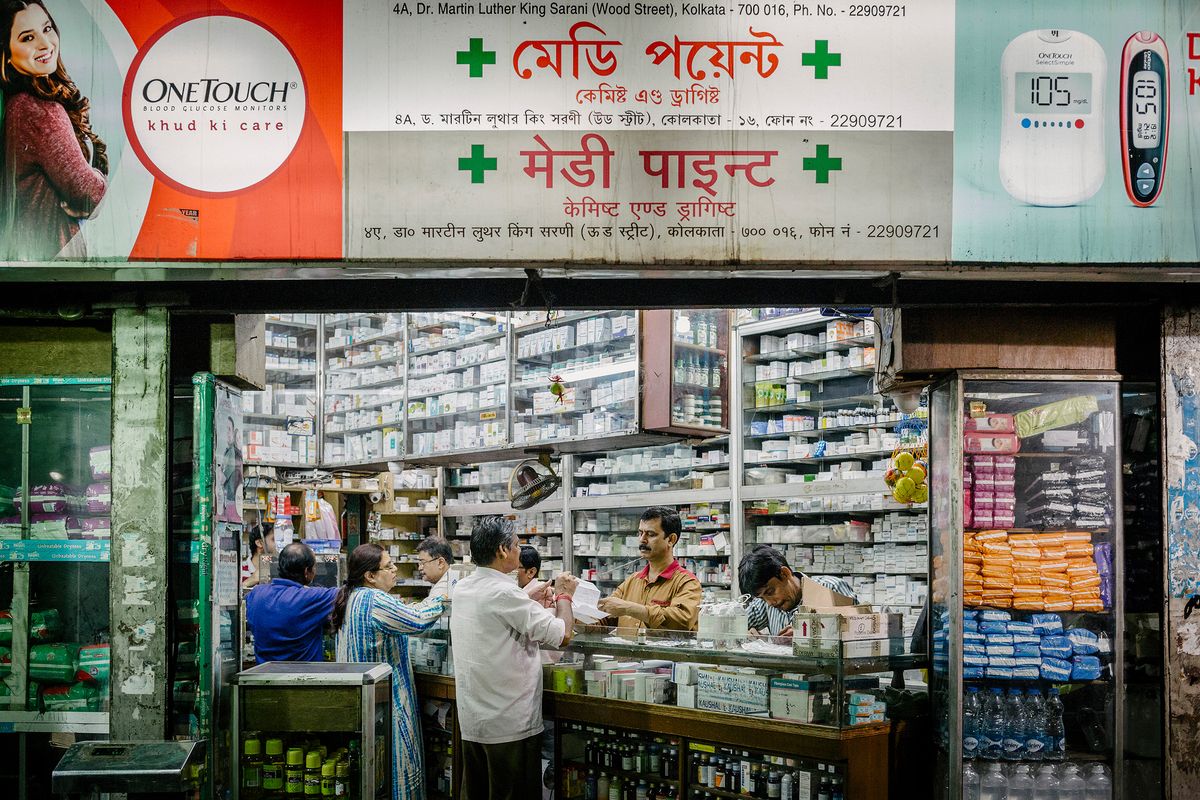
The ease with which antibiotics can be obtained in India is a significant factor in this misuse. Regulations are lax, and the market is flooded with both legitimate and counterfeit drugs. This environment has led to a culture where antibiotics are frequently prescribed without proper diagnosis, leading to their overuse. As a result, the country has seen a rapid rise in antibiotic-resistant infections, posing a serious threat to public health.
Moreover, India's role as a global exporter of antibiotics has further exacerbated the problem. The country produces and exports large quantities of these drugs to other nations, inadvertently spreading resistant strains. This export dynamic has created a complex web of interdependence, where the misuse of antibiotics in India not only affects its own population but also contributes to the global spread of resistance.
The article highlights the need for urgent action to address this crisis. India, with its unique position in the pharmaceutical landscape, has a pivotal role to play in curbing antimicrobial resistance. This involves tightening regulations on antibiotic prescriptions, promoting the development of new drugs, and investing in research to better understand the mechanisms of resistance.
Furthermore, the global community must also take responsibility. The interconnected nature of the crisis means that no single nation can solve it alone. International cooperation is essential to share knowledge, resources, and best practices in combating AMR.
In conclusion, India's easy access to antibiotics has inadvertently made it a global accelerant of the antimicrobial resistance crisis. This situation underscores the urgent need for both national and international action to address the growing threat of AMR. By working together, the world can mitigate the impact of this crisis and safeguard the effectiveness of these life-saving drugs for future generations.